While the world looks toward Kyoto, the Philippine Balayong and Salinggogon trees are staging a vibrant pink takeover across Palawan and Rizal.
Spring doesn’t always have to mean booking a flight to Japan. Right here in the Philippines, a quieter, equally stunning bloom unfolds—one that proves you don’t need a passport to witness pink petals in full glory.
The Philippines’ own “cherry blossoms”
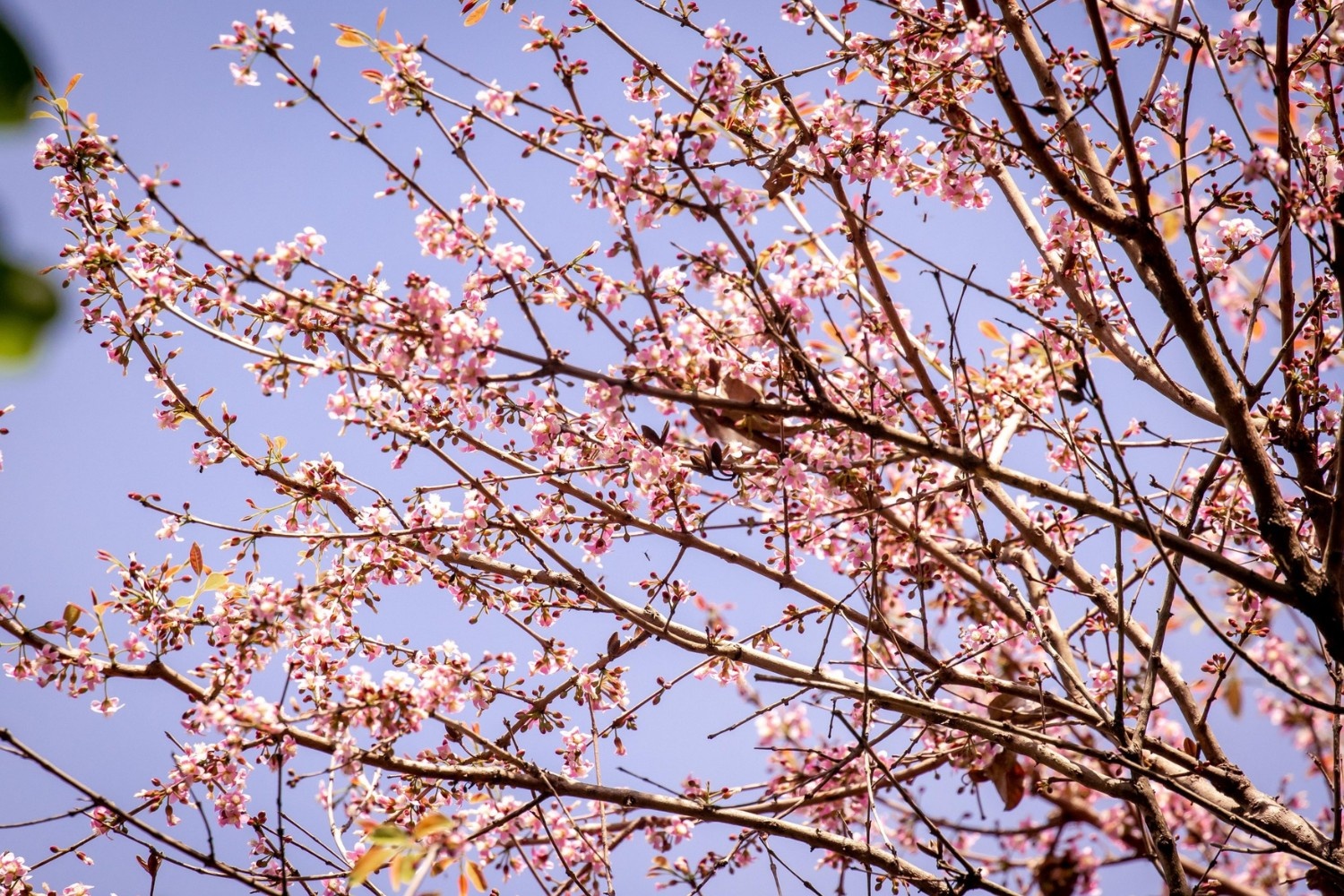
While Japan’s sakura gets global attention, the Philippines has its own seasonal spectacle led by the Balayong (Palawan Cherry) and Salinggogon trees. From March to May, these trees burst into soft shades of pink and white, transforming local landscapes into dreamy, petal-filled scenes.
The Balayong, scientifically known as Cassia nodosa, is the country’s closest counterpart to cherry blossoms. In Puerto Princesa, entire streets and parks blush in color, especially at Balayong Park, where thousands of blooms create a canopy of pastel hues. The city even celebrates this fleeting beauty through the Balayong Festival—a reminder of how deeply rooted these blooms are in local culture.
Local petals, global appeal
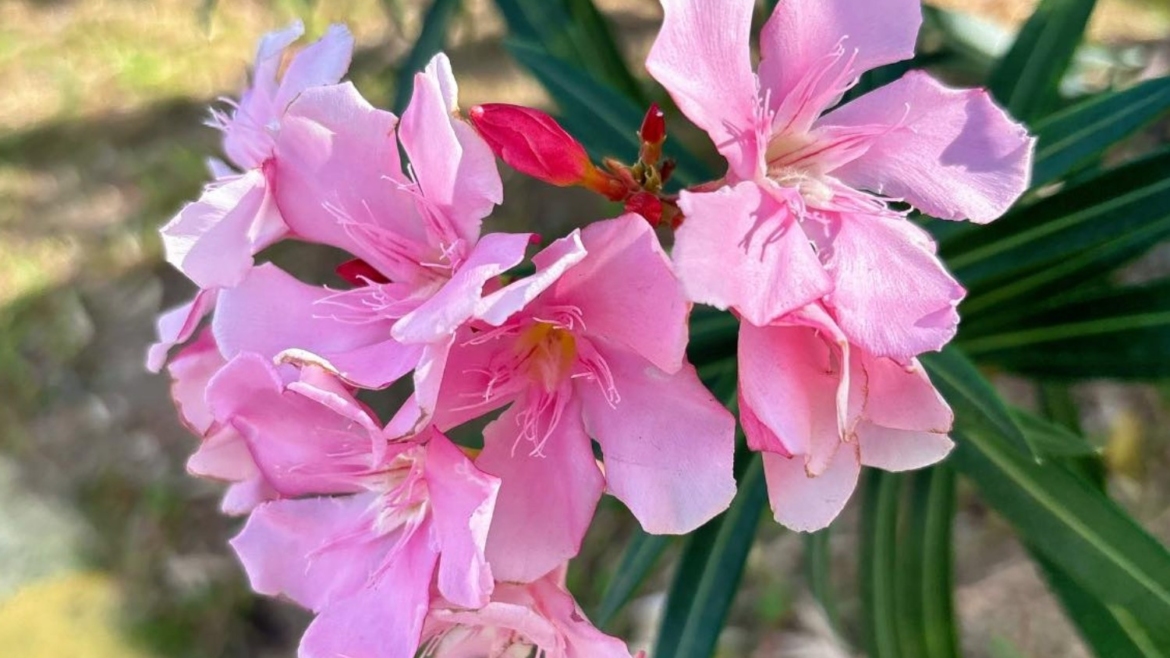
Beyond Palawan, similar scenes can be found closer to the metro. The Salinggogon (Cratoxylum formosum) paints trails pink at Masungi Georeserve, while trumpet trees bloom in pockets of Taguig and nearby provinces.
These blooms may not arrive with the same global fanfare as Japan’s sakura season, but they offer something just as meaningful—accessibility. No visa, no long-haul flight, no overwhelming crowds. Just a quiet reminder that beauty, sometimes, is closer than we think.
In a culture that often looks outward for experiences, the Balayong season reframes the narrative: the Philippines doesn’t just have its own version of cherry blossoms—it has its own way of celebrating them.