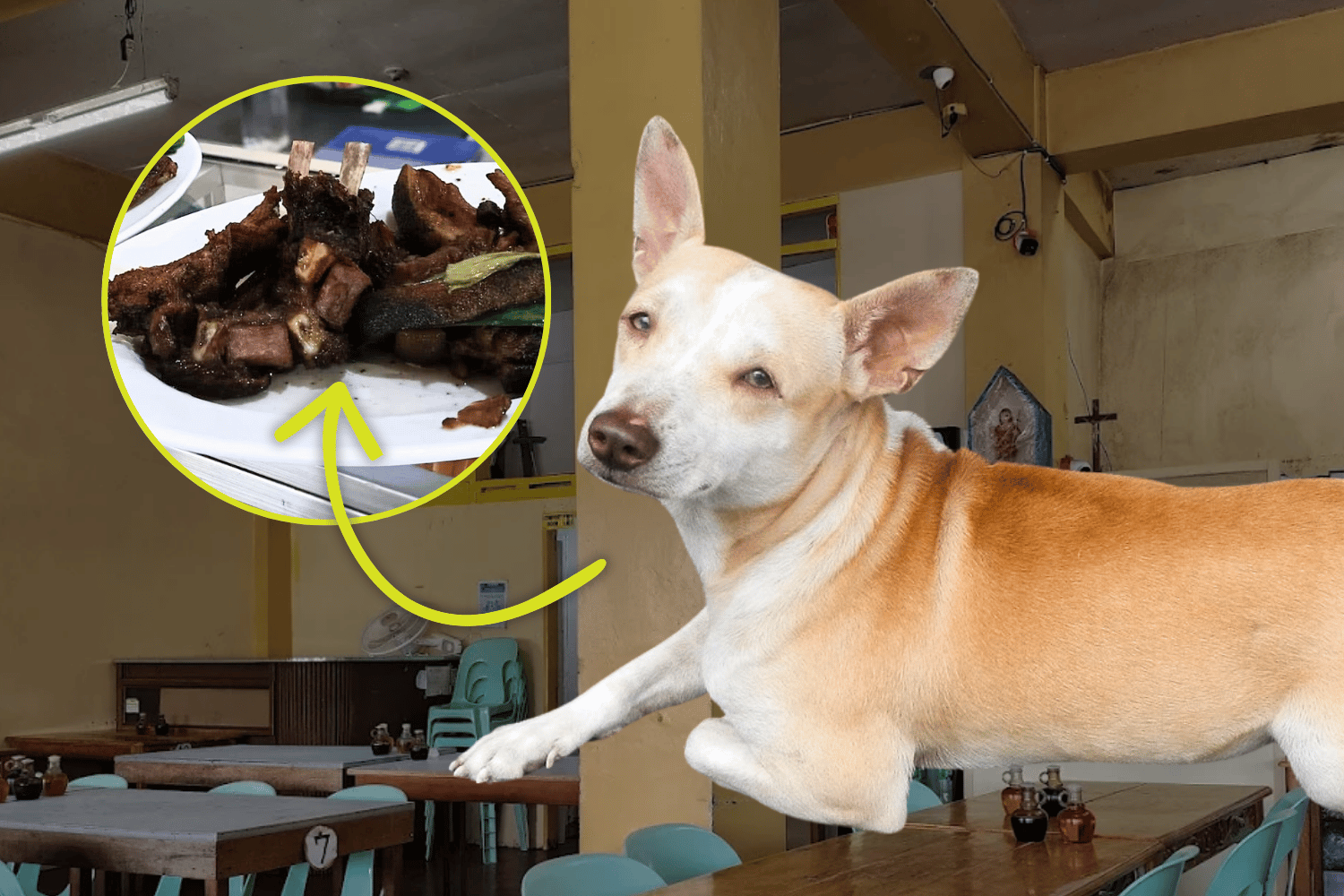
An animal advocate has filed cases against two restaurants in Benguet after laboratory tests allegedly confirmed the presence of dog DNA in meat served to customers.
An animal advocate in Benguet has flagged two local restaurants for allegedly serving dog meat, which may constitute a criminal offense under food safety and consumer protection laws.
On July 14, local advocate Atty. Amadeo Degay said he filed a case against Comiles Restaurant in Wangal, La Trinidad, Benguet for allegedly serving dog meat.
A police certification obtained by the Baguio Express Herald stated that four government employees dined at the eatery on July 5 and were allegedly served “dog soup” and “pulutan” that resembled dog meat.
The diners then expressed their intent to submit the suspected dog meat to a laboratory for testing, but staff initially refused to allow the meat to be taken out of the establishment, according to the document.
Degay and police personnel then intervened, and the restaurant allowed the meat to be packed in the presence of its staff. Degay said the cooked meat later tested positive for dog DNA.
The lawyer previously filed criminal cases against Cocomiles Eatery in Puguis, La Trinidad—also referred to as Comiles Eatery but unrelated to the first restaurant—for similarly serving meat that tested positive for dog DNA.
The first set of cases—filed before the Benguet Provincial Prosecutor’s Office on June 3—alleged that Comiles Eatery violated the Meat Inspection Code, the Anti-Rabies Act of 2007, the Consumer Act of the Philippines, and the Food Safety Act of 2013.
However, the cases were dismissed because the prosecutor’s office “determined that dog meat falls outside the scope of the laws I [cited],” Degay said. While the act of butchering dogs for meat may violate the Animal Welfare Act, the lawyer said he did not resort to that law “because I did not witness any animal cruelty.” Degay filed a motion for reconsideration on July 9.
Consuming dog meat is not illegal, but several laws prohibit the commercial slaughter and trade of dog meat.
The Animal Welfare Act specifies which animals may legally be slaughtered, and the list does not include dogs. Killing animals outside that list for religious or cultural purposes requires proper coordination with authorities. The Anti-Rabies Act bans the dog meat trade as a measure against the transmission of rabies to humans. The Meat Inspection Code does not recognize dog meat as a livestock category, which means it cannot be certified for safe and legal consumption.
Despite the controversies surrounding dog meat, it remains a cultural staple among indigenous groups in the Cordilleras.
In a 2021 article published in The Cordillera Review, author Iö Jularbal said dog meat consumption is tied to historical rituals practiced by indigenous groups in line with their respective belief systems.
A 2023 article published by the University of the Philippines H. Otley Beyer Museum of Anthropology details how dog meat consumption has evolved into a community-building practice.
“Dog-eating is done today only for special occasions and covertly because ideologies prevailing in fast-industrializing and fast-commercializing Beckel [in Benguet] drive the practice away. This is problematic for [the respondent] in that it frames tradition as irrelevant in a place of ‘progress.’ But he maintains that it is the belief of people who hold fast to their roots,” wrote author Gianina Ortega.