Law addresses gaps in facilities, teachers, connectivity, and access affecting 1.6 million learners.
About 9,000 public schools in underserved areas long affected by poor facilities, teacher shortages, and difficult access now have a law aimed at addressing their needs.
Republic Act No. 12321, or the Last Mile and Geographically Isolated and Disadvantaged Areas Schools Act, was signed into law on July 22—institutionalizing support for public basic education schools serving around 1.6 million learners in some of the country’s most underserved communities.
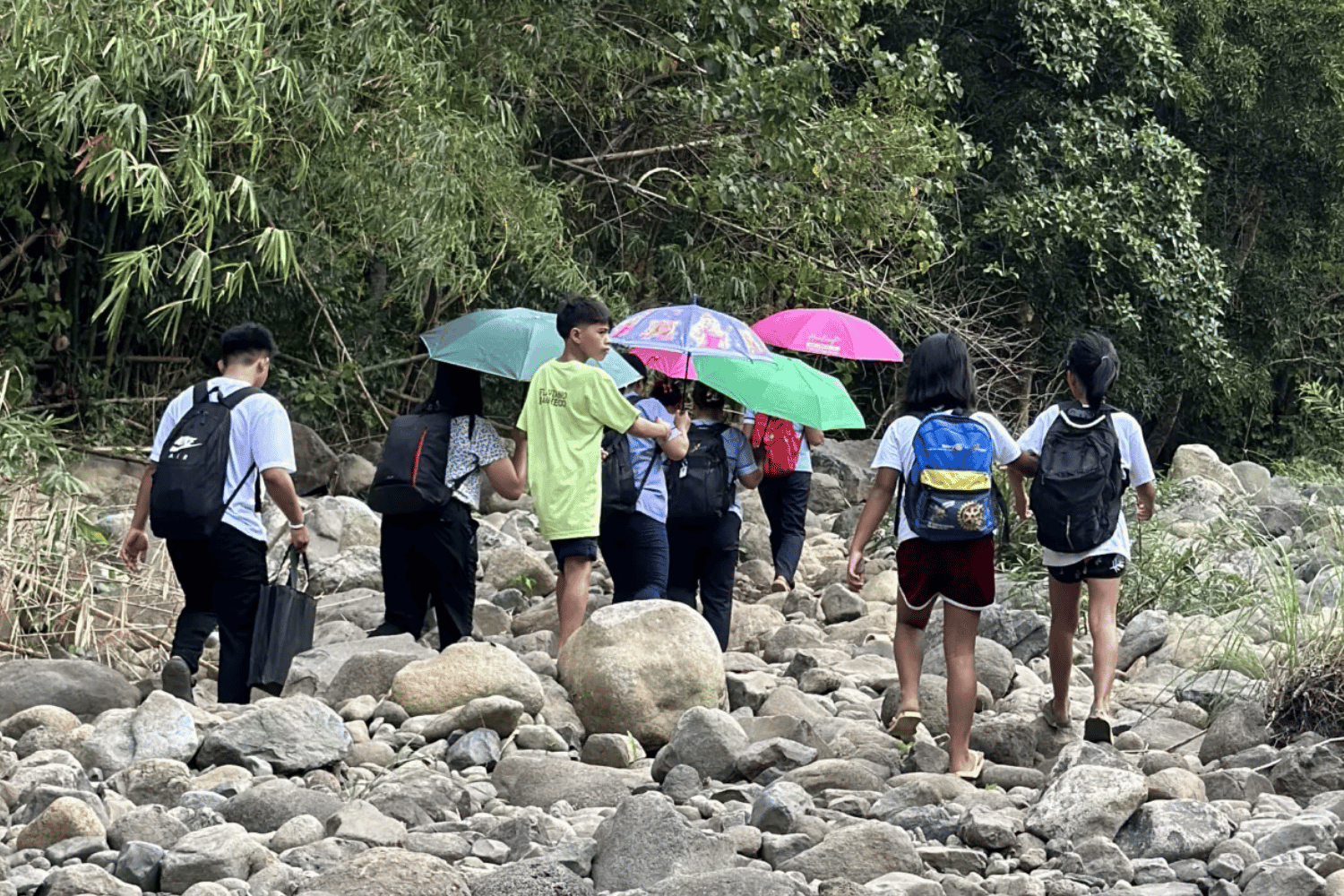
Many of these schools operate without reliable electricity, internet access, or adequate classrooms. Others rely on multigrade teaching, where a single teacher handles several grade levels at once due to a shortage of educators.
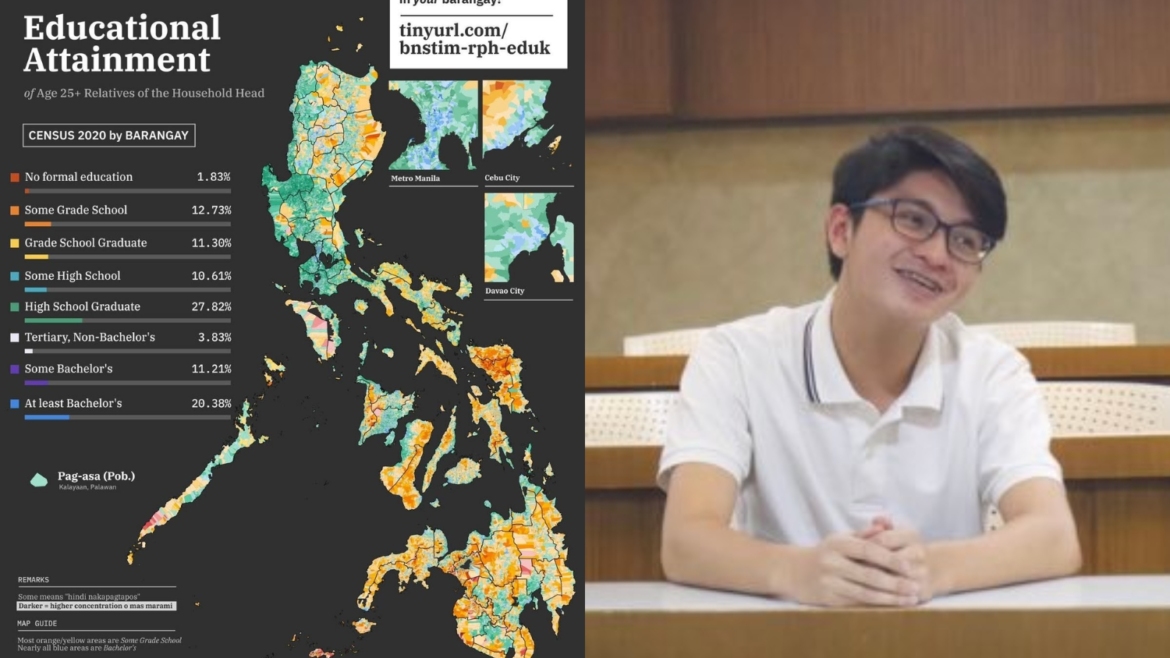
According to EDCOM 2, nearly half of all last-mile schools are in the Bangsamoro Autonomous Region in Muslim Mindanao, while many others are in Indigenous communities, conflict-affected areas, and geographically isolated villages.
“Malaki ang maitutulong ng batas upang mabawasan ang mga sitwasyong kailangang lumusong sa ilog, maglakad ng ilang kilometro sa gitna ng init, o tumawid sa mga sirang tulay ang ating mga estudyante bago makarating sa paaralan,” Sen. Bam Aquino, the law’s principal sponsor and co-author, said in a July 25 Facebook post.