Oil shocks and off-cycle decisions: The BSP braces for a 2026 inflation breach amid global energy tensions.
The Bangko Sentral ng Pilipinas (BSP) has taken a defensive stance. Following a surprise off-cycle meeting on March 26, the Monetary Board decided to maintain the target reverse repurchase (RRP) rate at 4.25%. The move comes just days after President Marcos Jr. signed Executive Order No. 110, declaring a state of national energy emergency due to escalating tensions in the Middle East.
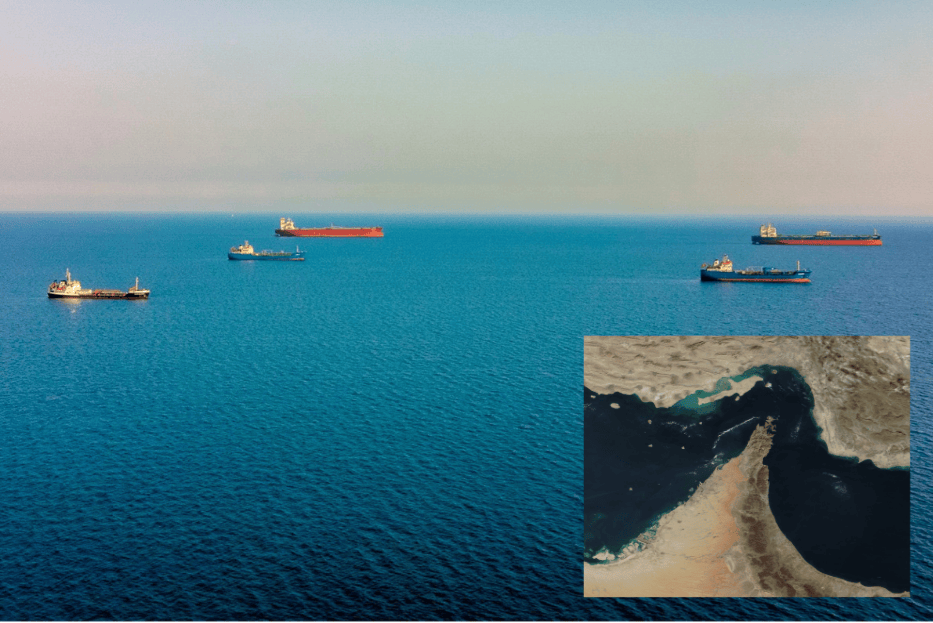
The central bank flagged rising global oil and fertilizer prices, driven by Middle East tensions, as key pressures already feeding into higher local fuel costs and transport fares. Inflation is now expected to breach the 4% ceiling as early as April, with projections reaching up to 5%, before easing back only by 2027.
The BSP said it chose to keep rates unchanged to avoid further slowing an already fragile economy, noting that supply-driven inflation limits the impact of rate hikes.
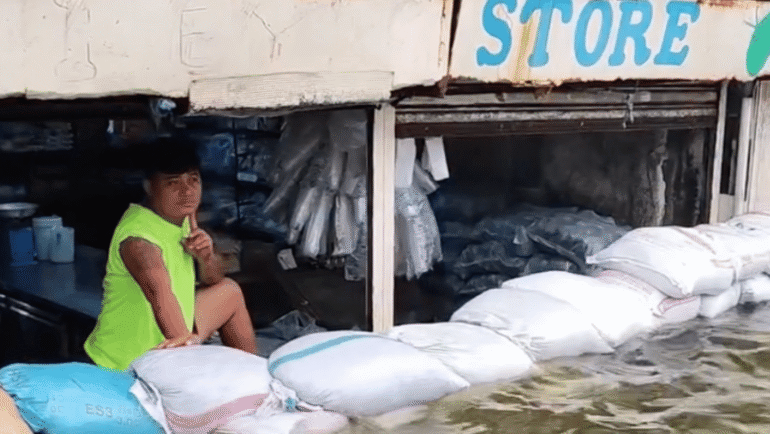
Expect elevated prices to linger across fuel, transport, and basic goods, squeezing household budgets while businesses face rising operating costs without strong demand to offset them.
The 5.1% forecast, an inevitable breach
The BSP now sees inflation averaging 5.1% in 2026, significantly higher than earlier forecasts, as oil prices hover around $85 per barrel alongside expected increases in electricity rates, transport fares, and tariffs.
Authorities warned that once price pressures spill into wages and food, tighter policy could still be back on the table.
Why not hike?
BSP Governor Eli Remolona Jr. clarified that a rate hike at this juncture would be a “blunt instrument” against the wrong enemy. “This inflation is driven by supply shocks where the potency of monetary policy is limited,” Remolona noted. Furthermore, with national economic growth currently lackluster at 4.4%, the board judged that higher interest rates would only further stifle recovery.
The “whole-of-government” Buffer
The BSP is banking on non-monetary interventions to do the heavy lifting. The government’s decision to temporarily suspend oil excise taxes is seen as a crucial mitigating factor that could prevent a double-digit inflation spiral. However, the central bank warned that if these “first-round” fuel spikes bleed into wages and food prices (second-round effects), a return to tighter policy will be inevitable.
The BSP maintained its policy rate at 4.25% during a surprise off-cycle meeting, even as it raised its 2026 inflation forecast to 5.1% due to the Middle East energy crisis.
READ: