Following a 64% surge in global oil prices and a 4.7% rise in rice costs, BPI estimates that March 2026 inflation has accelerated to 3.9%, signaling a challenging second quarter for Filipino households and businesses alike.
Why BPI says March inflation is outperforming the 2022 crisis.
Prices are picking up speed again, with early signs pointing to a stronger and more sustained climb.
The Bank of the Philippine Islands estimates March inflation at 3.9% from 2.4% in February, with monthly inflation at 1.2%, double the pace seen during the 2022 oil shock. The bank warns this could push headline inflation past 4% in the near term, with a risk of exceeding 5% for the full year if oil prices stay elevated.
Oil remains the main pressure point. Dubai crude surged 64% month-on-month to around $130 per barrel, triggering a 21% jump in local gasoline prices. The speed of that increase is already feeding into transport costs, raising the likelihood of fare adjustments and more expensive distribution.
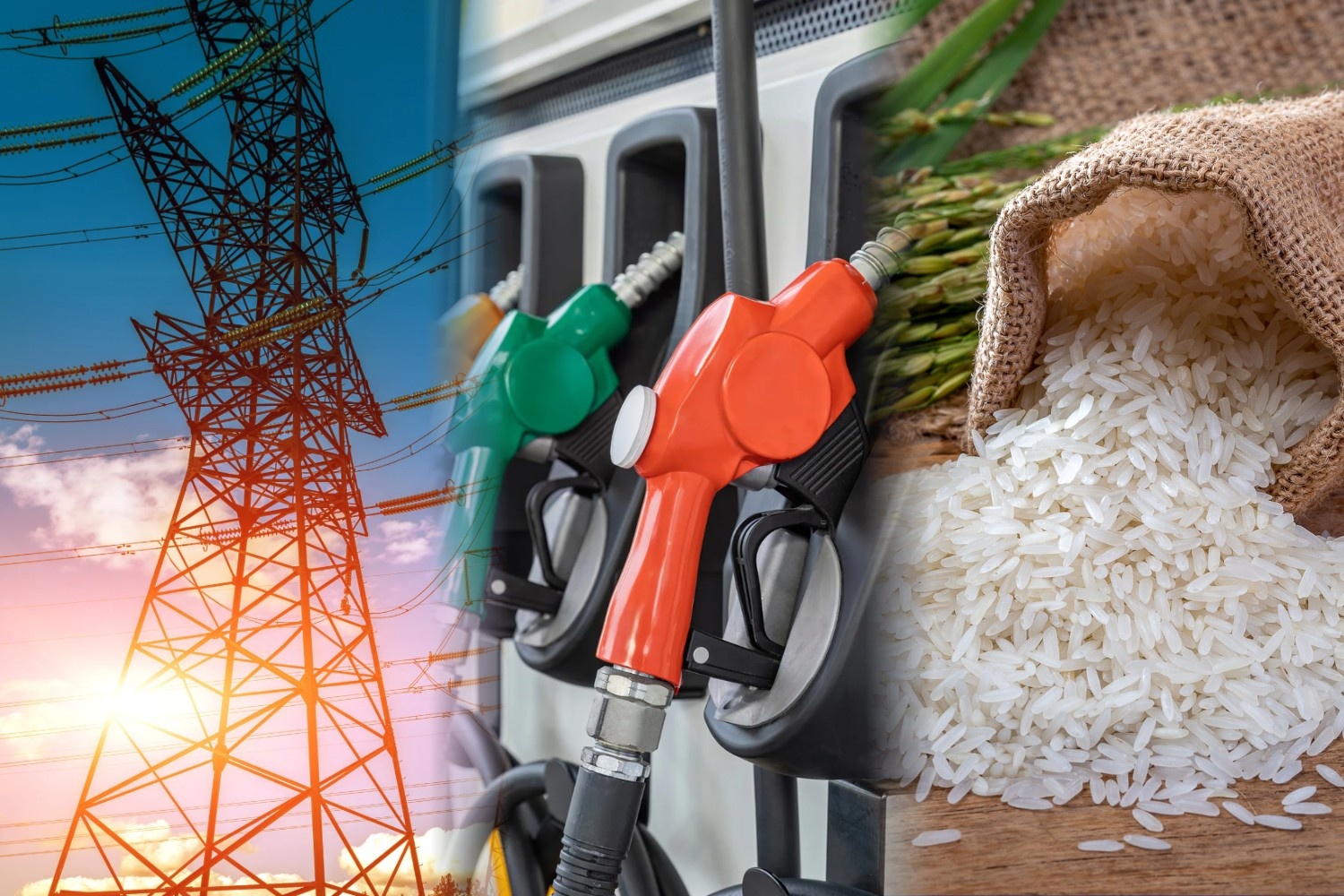
Price pressures are spreading. Rice rose 4.7% month-on-month, even before the latest oil spike, driven by import costs and tighter supply. Electricity rates climbed 4.9%, adding another layer to household expenses and business overhead.
The combined effect is starting to move beyond fuel. Transport, food, and utilities are rising together, tightening margins for businesses and stretching everyday spending. Relief measures are in place, but these are targeted and temporary, while cost pressures are building across the board.
BPI estimates March inflation at 3.9% as fuel, rice, and power costs climb. With monthly inflation doubling its 2022 pace, discover why experts fear a 5% headline rate for the full year 2026.