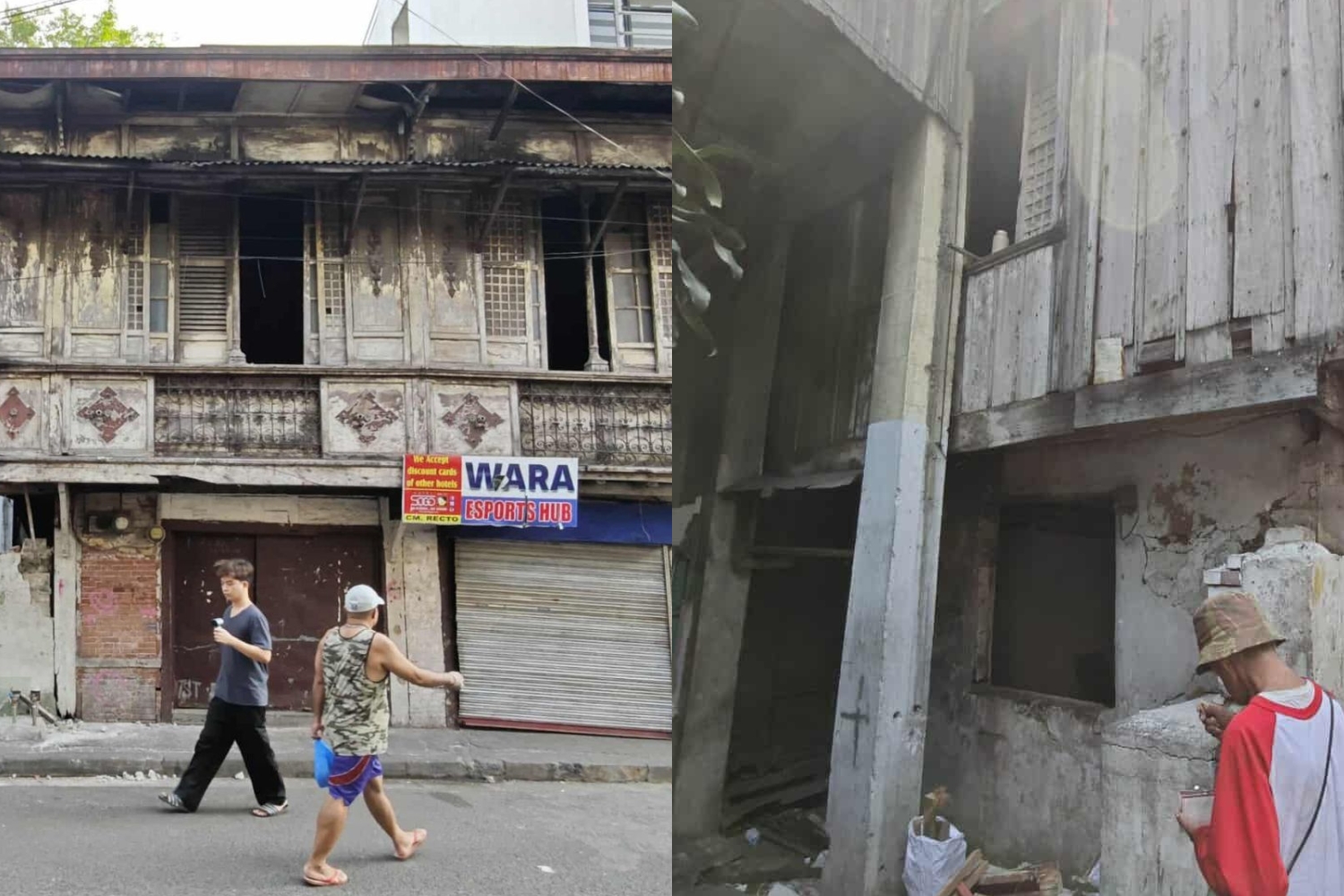
Heritage advocates race against time as a 19th-century ‘Bahay na Bato’—a witness to the Philippine Revolution—is dismantled without a visible permit.
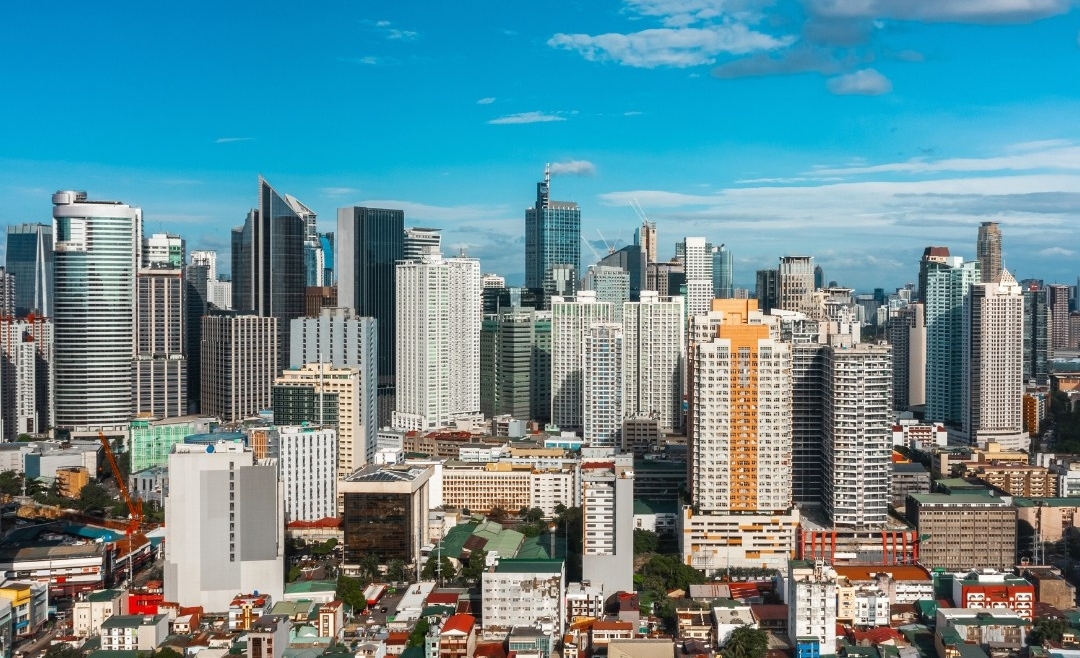
As Manila gears up for modernization, the city may be abandoning parts of its memory built in wood and stone, as more ancestral homes face demolition.
Recent reports of the dismantling of the De Jesus-Del Rosario-Lucena ancestral house in Quiapo have drawn renewed attention to how the city treats its heritage. At the same time, the Hilario Sunico ancestral house in San Nicolas is facing a similar fate, despite reportedly being recognized by the city’s local government unit as an Important Cultural Property.
Each ancestral home holds fragments of everyday life once heard in its halls, of families raised under its roof, and histories that may never have been written in textbooks.
Advocacy groups emphasize that the issue points to a broader pattern affecting historical sites in urbanized areas. “The news that the [house] is currently undergoing demolition undermines all [preservation] efforts,” Quiapo ng Puso Ko Inc. said, pointing to the fragile state of Manila’s remaining historical sites.
Manileños for Heritage and Kapitbahayan sa Kalye Bautista echoed this concern in a joint statement. “The loss of the De Jesus-Del Rosario-Lucena Ancestral House would undermine collective initiatives to revitalize the city, as it represents a tangible link to Manila’s storied past and enduring legacy,” the groups said.
Under Republic Act No. 10066, structures over 50 years old must be protected, preserved, and conserved to promote national cultural heritage. However, enforcement often lags behind development pressures, leaving heritage sites exposed to private ventures.
Like the elderly, old houses are easily overlooked as society rewards speed and modernization. They may not always be the most “efficient” or visually striking, but they carry stories no modern structure can replicate. Heritage houses are the nation’s “sturdy grandparents,” having witnessed generations of change.
And when they begin to show age, measures must be taken to retain their value. When foundations weaken and wooden pillars rot, their condition reveals how authorities respond—whether to restore, protect, or neglect them. Preservation gives infrastructure past its glory a purpose and a place in the present.
As Manila continues to grow, the public watches as the city builds over or around its history. Because once these structures are gone, no amount of progress can restore what they once stood for.
A 150-year-old piece of history is being torn down. Discover why the demolition of this Quiapo ancestral house is a wake-up call for Philippine heritage protection and urban planning.
READ: