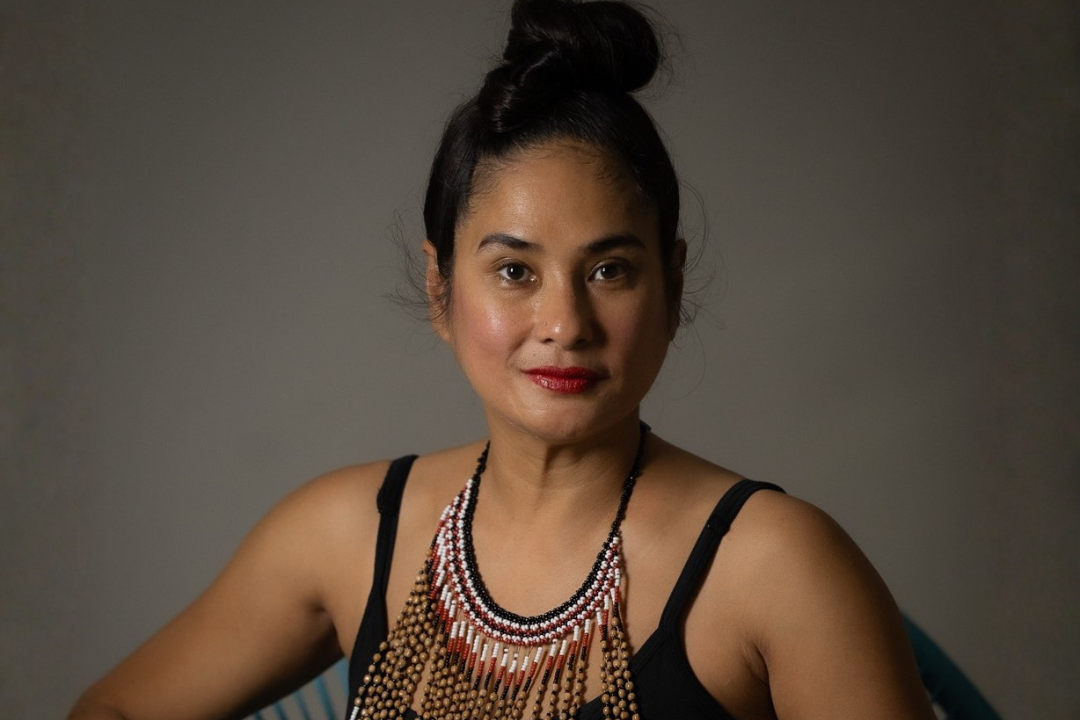
The indie actress opens up about unfair pay systems, emotional negotiations, and finding self-worth in a freelance-heavy industry.
Even for someone as seasoned as Sue Prado, talking about talent fees still comes with a pause.
“It’s a constant negotiation,” she says, matter-of-fact. “We don’t have a union and there’s no base rate across the board.”
In an industry that thrives on visibility, the lack of structure behind the scenes remains largely unseen. For actors like Prado, every project begins not just with a script, but with a question of worth. How much is fair? Who decides? And more importantly, who protects them?
“Ours is treated as a unique industry,” she explains. “That means we don’t have a baseline for our rates.”
Without managers, artists navigate murky waters on their own
The absence of a standard leaves many artists navigating murky waters on their own. Prado does not sugarcoat it. She points out that without proper representation, actors are often left to negotiate for themselves, sometimes at the cost of their confidence.
“If you’re calling your own rate, personally, it’s hard,” she admits. “You start to think, ‘Why is it like this? Am I being looked down upon?’”
This is why she strongly urges fellow actors to seek protection through agents or managers. Not just anyone, but those who understand the system and the law.
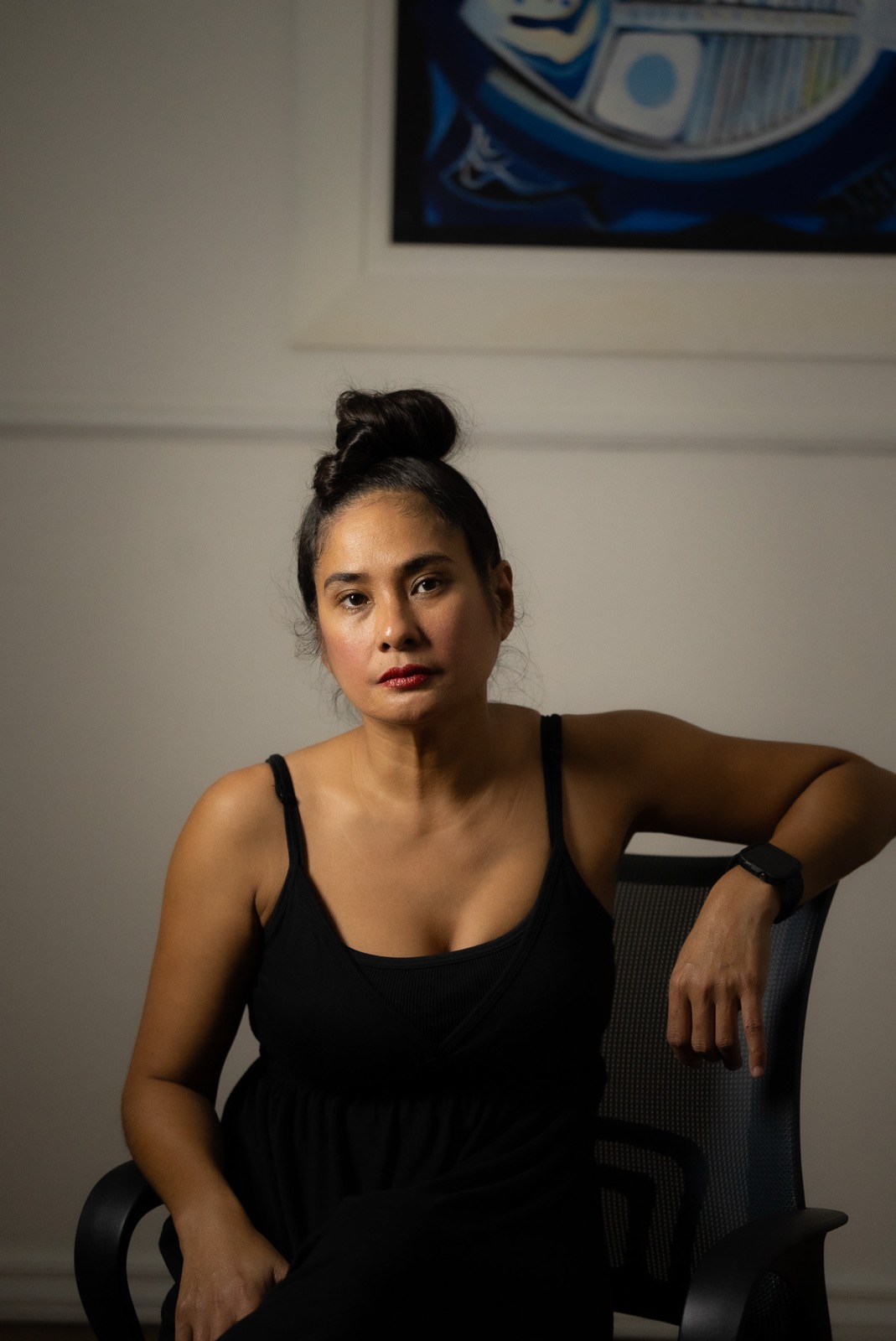
“The law is already there,” she says, referring to the Eddie Garcia Law. “Our protection is to make sure that it’s implemented.”
For Prado, the issue goes beyond paychecks. It is about dignity. It is about making sure that the people who bring stories to life are not left unprotected behind the camera.
“A bigger percentage of our industry are freelancers,” she adds. “If we can protect others, we’re essentially protecting ourselves.”
In an industry built on passion, Prado is clear-eyed about the realities. Talent may open doors, but without safeguards, even the most dedicated artists can find themselves negotiating more than just roles.
That negotiation, she points out, is not just external. It is deeply personal.
Actors are often told to “know their worth,” but Prado is quick to point out that it is not always that simple. There is a quiet tension that comes with putting a price on your own work. A résumé may be solid. The experience is there. But when the numbers are finally discussed, doubt can creep in.
Representation is a necessity
Which makes having representation less of a luxury and more of a necessity. Someone who can create space, she said, so it is “not a first hit.” Someone who can help make things measurable in an otherwise unpredictable system.
Still, even with the right support, Prado acknowledges that the emotional side of the work does not go away. Because at the heart of it, the question lingers: not just how much am I paid, but how much am I valued?
Away from contracts and negotiations, Prado becomes more relaxed when the conversation shifts to relationships. Or, more accurately, how fleeting they can be in showbiz.
“Fleeting,” she repeated, almost amused. “Fleeting is a good term.”
It is not bitterness. It is acceptance. “Not everyone is meant to stay,” she pointed out. “And that being the case, let it be. Let them be.”
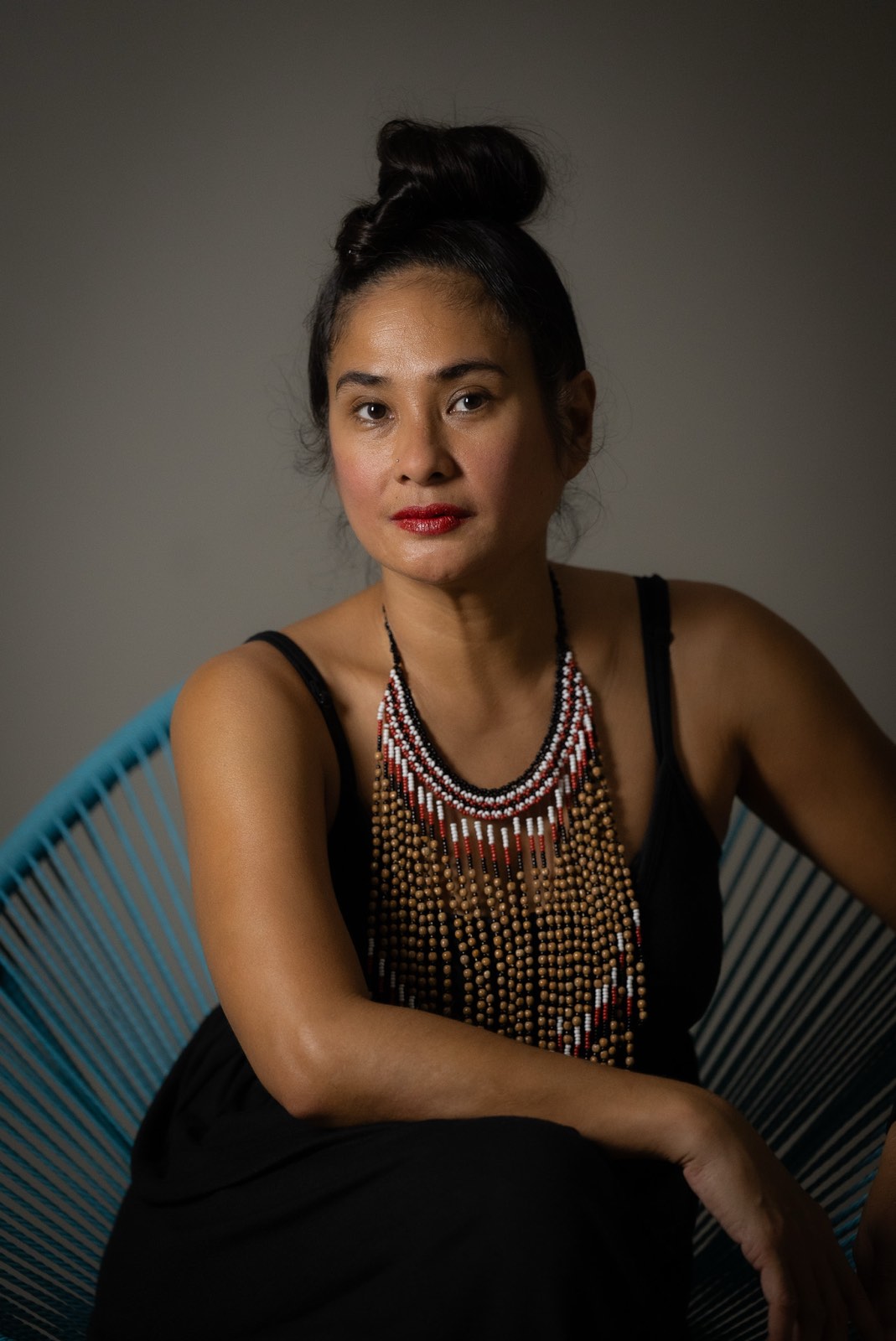
Relationships in showbiz can be fleeting
The industry, she explained, naturally brings people together and pulls them apart. Projects end. Priorities shift. Life happens. And somewhere along the way, people you once saw every day become people you simply used to know.
Instead of resisting that, Prado chooses to lean into it. “Let’s ask ourselves, how do we make ourselves happy?” she says. “How are we, as a person?”
There is a quiet shift in perspective. From seeking connection to being whole on your own first. “Maybe at this point, we’re already good enough,” she adds.
It is a simple mindset, but one that feels earned. Less about holding on, more about showing up as you are and allowing others to do the same.
Prado’s most recent films were “Desperada,” an entry to the recently concluded 8th Sinag Maynila Independent Film Festival; “Enjoy Your Stay,”
“Padamlagan,” “You’re Mother’s Son,” and “GomBurZa.”
Actors’ tools guide their next steps
By the time Prado talks about the “tools” of an actor, it becomes clear that for her, the work goes far beyond what audiences see on screen.
“My tools as an actor are my body, my voice, my thoughts, my relationships,” she says.
Not wardrobe. Not accessories. Not even the usual markers of preparation. For Prado, everything begins within. “Figure out what you want,” she says. “That will guide your next steps.”
Her own path is anchored in authenticity. It shows in the way she approaches both craft and life. She reads. Not just scrolling online, but real reading. She commits to community work. She stays disciplined with her time.
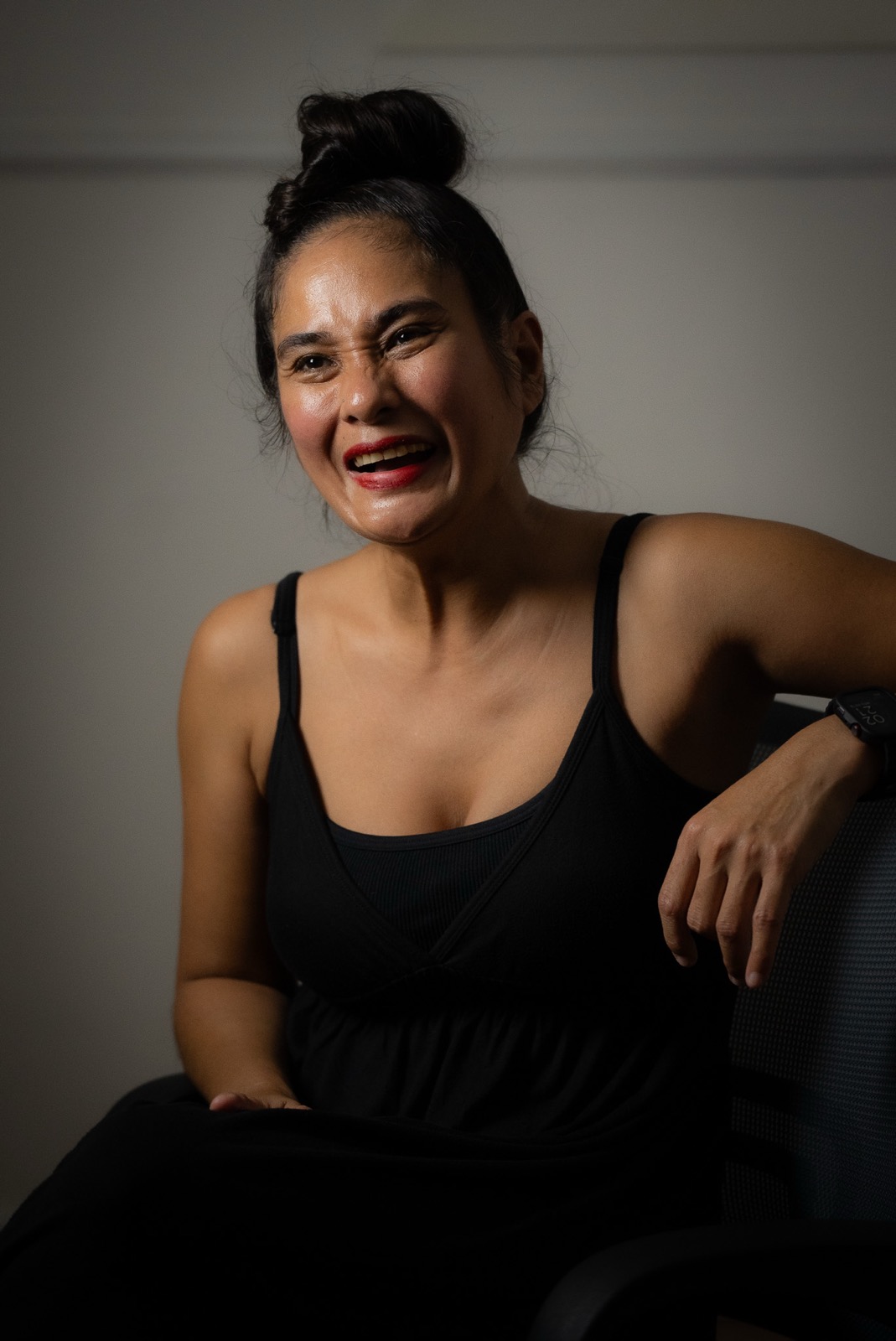
“I don’t want to ever reach that point where I feel like I’m already okay,” she says. “Because then, I won’t learn anymore.”
There is also care for the physical side of the job. She swims. She walks. She eats well. She has practiced intermittent fasting for years and has seen how it helps her feel better.
But more than routines, it is her mindset that ties everything together. “Be real. Be true,” she says. “Don’t be selfish.”
It is a reminder that everyone is carrying something, even if it is not visible. “We’re all going through it,” she adds. “So don’t be too quick to judge.”
A bigger percentage of our industry are freelancers. If we can protect others, we’re essentially protecting ourselves.
Sue Prado