Chico transitioned from a backyard staple to a fading relic of the traditional Filipino childhood.
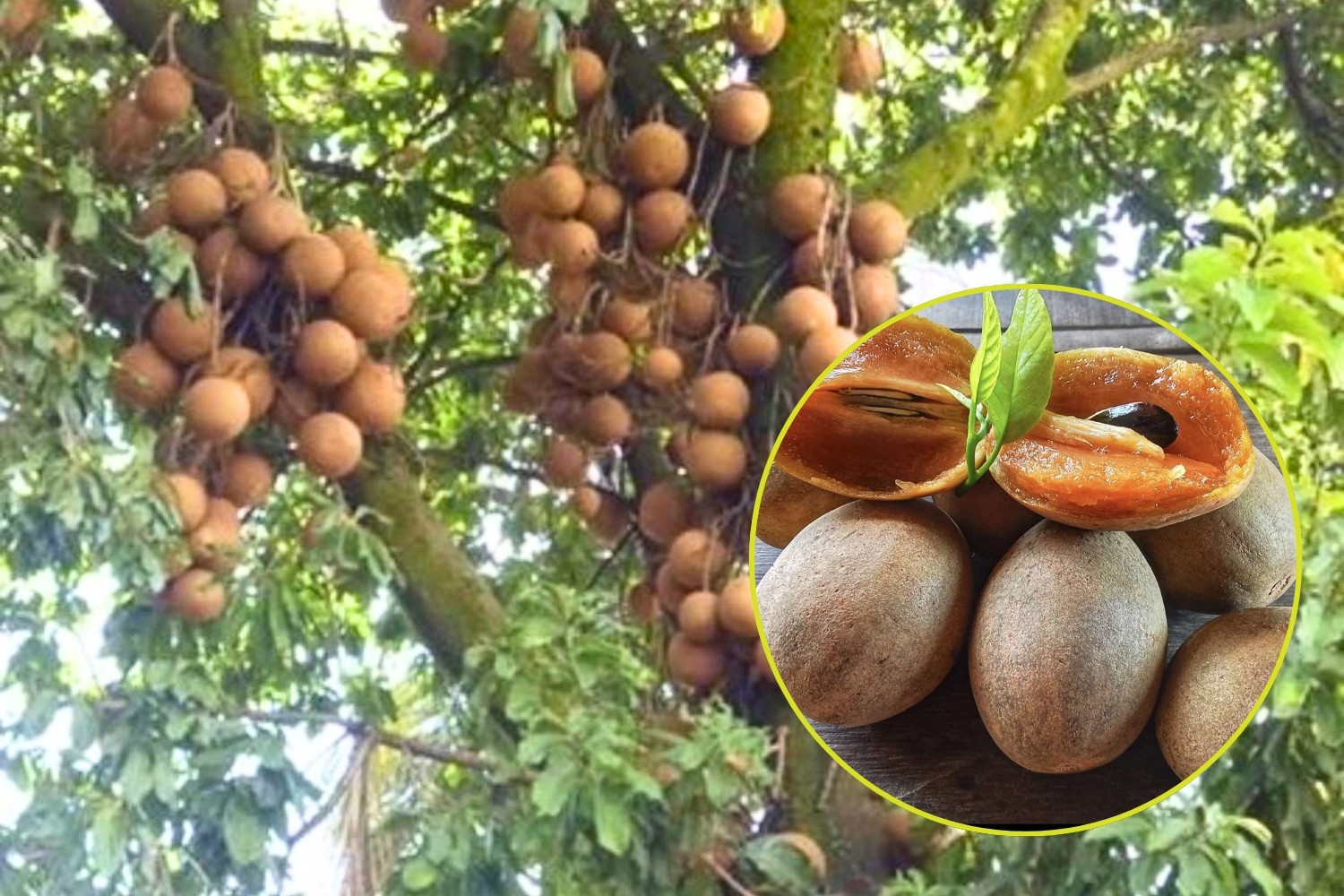
There was a time when the humble chico—known internationally as the sapodilla—was a backyard staple in many Filipino homes. Before imported apples, grapes, and Korean strawberries filled supermarket shelves, children climbed trees or waited patiently for the brown, sandy-skinned fruit to ripen.
Today, however, the once-familiar chico is quietly vanishing from urban markets and memory.
A fruit of Filipino childhood
Ask any Millennial or Gen X Filipino and chances are, they have a chico story.
For many kids growing up in the provinces — from Batangas to Iloilo — chico trees stood tall beside guava and santol. The fruit would drop when ripe, slightly soft to the touch. Lolas would slice them open, revealing caramel-brown flesh with shiny black seeds inside.
But not every child loved it.
Some remember the taste as too sweet, almost molasses-like. Others recall the grainy, sandy texture that felt odd on the tongue. And then there was the smell — earthy and slightly fermented when overripe — that turned some young noses away. For a few, it was the kind of fruit you politely accepted but secretly hoped would run out first.
Still, even those who claimed to dislike it often found themselves reaching for another slice.
“Amoy Chico” — the drunken joke
One curious bit of Filipino slang has helped keep the fruit culturally relevant: when someone smells of alcohol, people joke that they “amoy chico.”
The comparison likely comes from the fruit’s scent when it’s overripe. As chico softens beyond peak ripeness, it emits a faintly fermented aroma — sweet, heavy, and slightly alcoholic. The smell can resemble the scent of someone who has had a few drinks, making it an easy punchline in Filipino households.
It’s playful, teasing, and uniquely Pinoy — proof that even as the fruit fades from markets, it lingers in language.
Why Is Chico disappearing?
Several factors have quietly pushed chico to the sidelines:
- Urbanization: Backyard fruit trees are replaced by subdivisions and condominiums.
- Imported competition: Consumers gravitate toward glossy, imported fruits that look more “Instagram-ready.”
- Short shelf life: Chico bruises easily and ripens quickly, making transport and large-scale selling challenging.
- Changing tastes: Younger generations often associate it with “old-school” provincial life rather than modern snacking culture.
Unlike mangoes or bananas, chico never evolved into a strong commercial export. It remained seasonal, hyper-local, and deeply domestic — a fruit tied to home rather than supermarkets.
A taste of a slower time
The story of chico is not just about a fruit disappearing from fruit stands. It is about a generation raised on what the backyard provided — fruits picked straight from trees, eaten under the sun, sometimes loved, sometimes tolerated.
In an era dominated by imported produce and polished packaging, chico feels almost rebellious in its simplicity. Imperfect, easily bruised, sometimes misunderstood — but undeniably Filipino.
And every time someone laughs and says “amoy chico” at a tipsy tito, the fruit makes a quiet return — not necessarily on the table, but in shared memory.