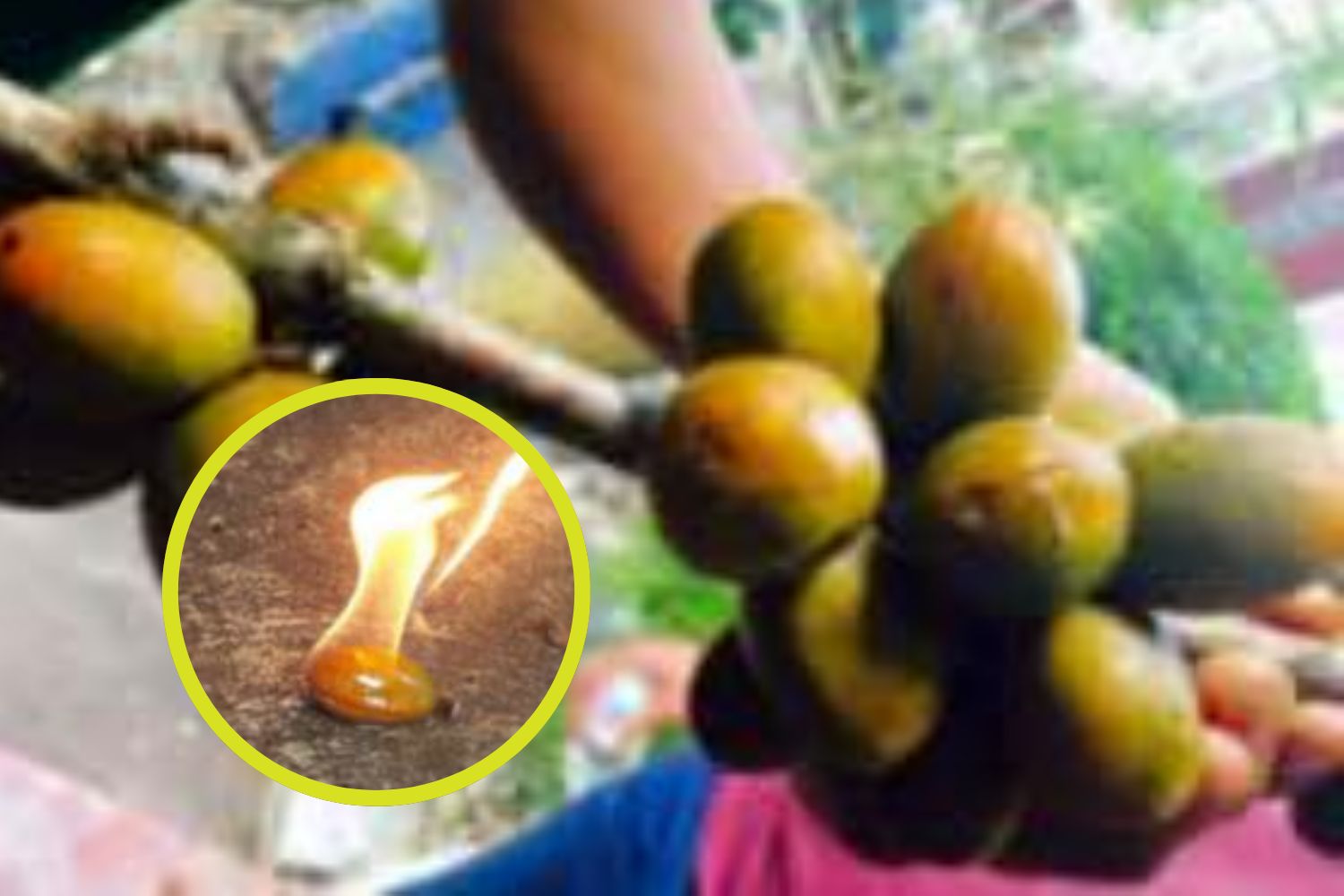
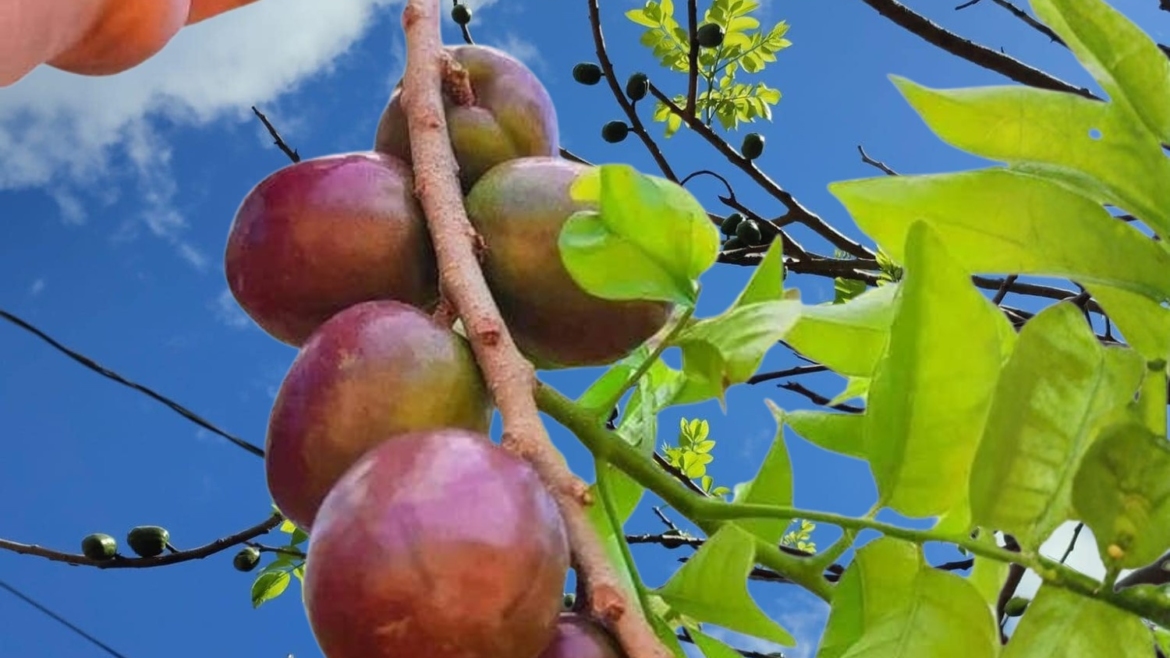
With an octane rating of 54, the Hanga tree fruit offers a flammable, heptane-rich oil that could revolutionize rural energy.
Interest is growing in a native Philippine tree that has long been rumored to produce oil resembling petroleum as fuel prices continue to strain households and transport costs.
The petroleum nut (Pittosporum resineferum), locally known as hanga, abkel, or dael, has gained attention for its unusual ability to produce a flammable oil from its fruit. In some accounts, the pulp can ignite when exposed to flame, behaving in a manner similar to kerosene, prompting small-scale experiments and renewed curiosity about its potential as an alternative fuel source.
Research referenced by the Cordillera Ecological Education has explored blending the oil with conventional fuel for basic applications such as lighting or cooking in rural settings. However, these remain limited and largely experimental, with no known large-scale commercial use to date.
The oil has also been used traditionally for topical applications, reportedly helping with skin conditions, coughs, and colds, especially when diluted with coconut oil to reduce its stickiness.
The bottlenecks from experimental to commercial
However, experts caution that these findings remain limited to small-scale or experimental contexts. Compared to mainstream biofuels such as coconut methyl ester or ethanol, the petroleum nut remains poorly studied and not commercially developed.
Further studies on its yield, safety, and scalability are still limited, making it difficult to assess whether it can move beyond laboratory or small community trials into wider practical use. Researchers continue to note gaps in data on consistent production and long-term viability.
As the country grapples with dependence on imported oil, even unconventional alternatives are gaining attention, especially those that could be grown and produced locally.
The Philippine native petroleum nut (Pittosporum resiniferum) is gaining renewed interest as a potential biofuel due to its fruit’s high heptane content and ability to burn as cleanly as kerosene.
READ: