Group seeks law amendments for better compensation and stronger workforce support.
Higher pay, better benefits, and long-overdue reforms are being pushed by a group of midwives seeking to modernize the profession and strengthen maternal healthcare services in the country.
The call comes as midwives remain a backbone of the system, with more than 16,000 deployed in local government units and around 5,500 under the Department of Health.
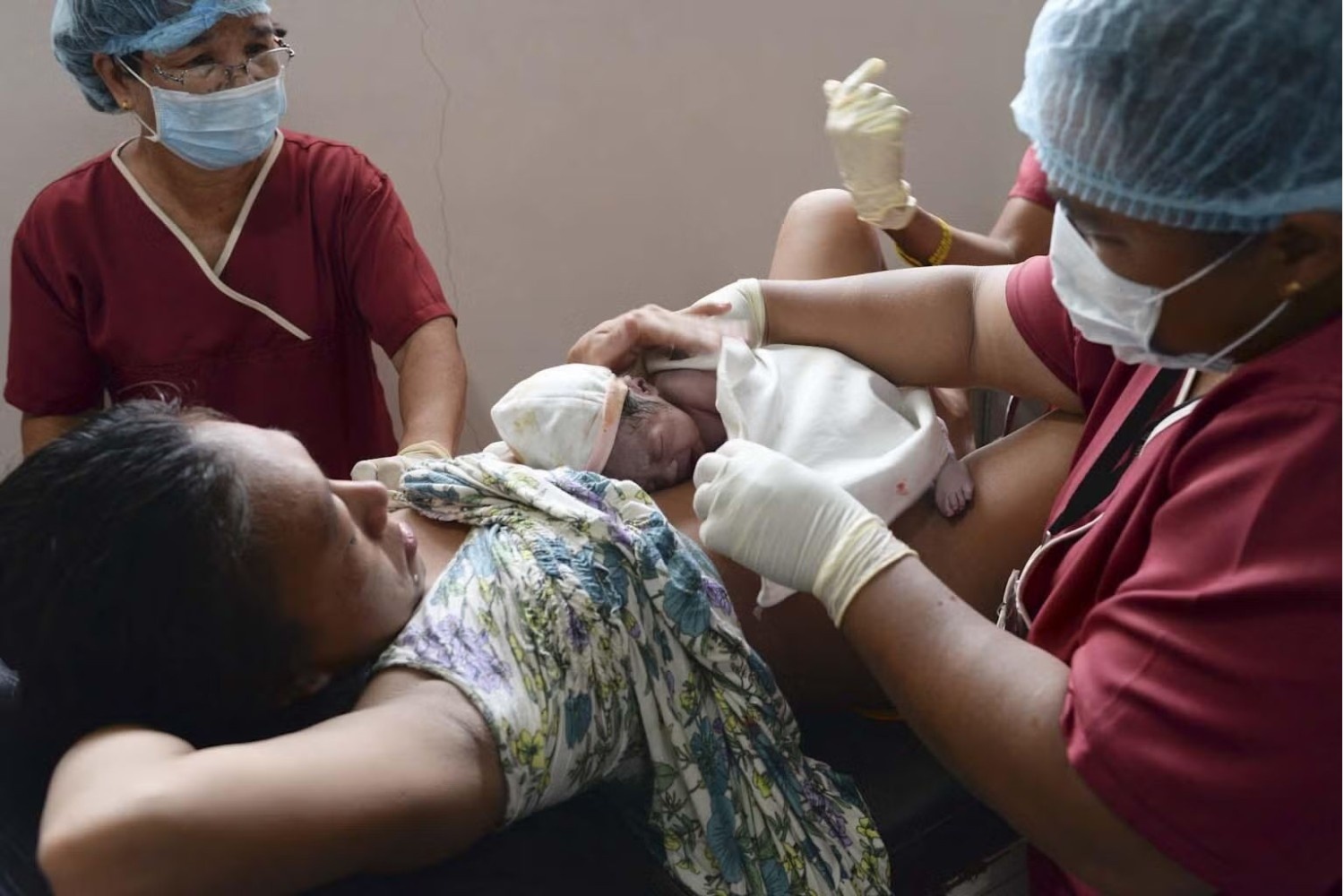
In many communities, especially in far-flung areas, a midwife is often the first healthcare worker a mother meets—handling prenatal checkups, assisting in deliveries, and providing early newborn care. Despite this central role, midwives say the system continues to fall short in recognizing their workload and professional value.
The Philippine League of Government and Private Midwives, Inc. (PLGPMI) is backing legal amendments to Republic Act 7392, or the Philippine Midwifery Act of 1992, to modernize midwifery practice, strengthen the workforce, and improve maternal and newborn care across the country.
The group is pushing for more plantilla positions in government hospitals and local health units, with entry-level pay raised to at least Salary Grade 13 or around ₱31,000 per month. Current pay ranges from Salary Grade 9 to 11, or roughly ₱21,000 to ₱27,000, figures midwives say are no longer sufficient for basic family needs.
PLGPMI also argued that recognition of experience and alternative learning pathways should be strengthened, adding that years in the field and continuing education should translate into clearer routes for professional advancement.
It also pointed to a growing workload imbalance, noting that while the ideal ratio is one midwife for every 5,000 people, some areas like Metro Manila have one worker for every 11,000 patients, stretching frontline care beyond safe capacity.