The digital ritual of scratching silver strips and silencing the landline.
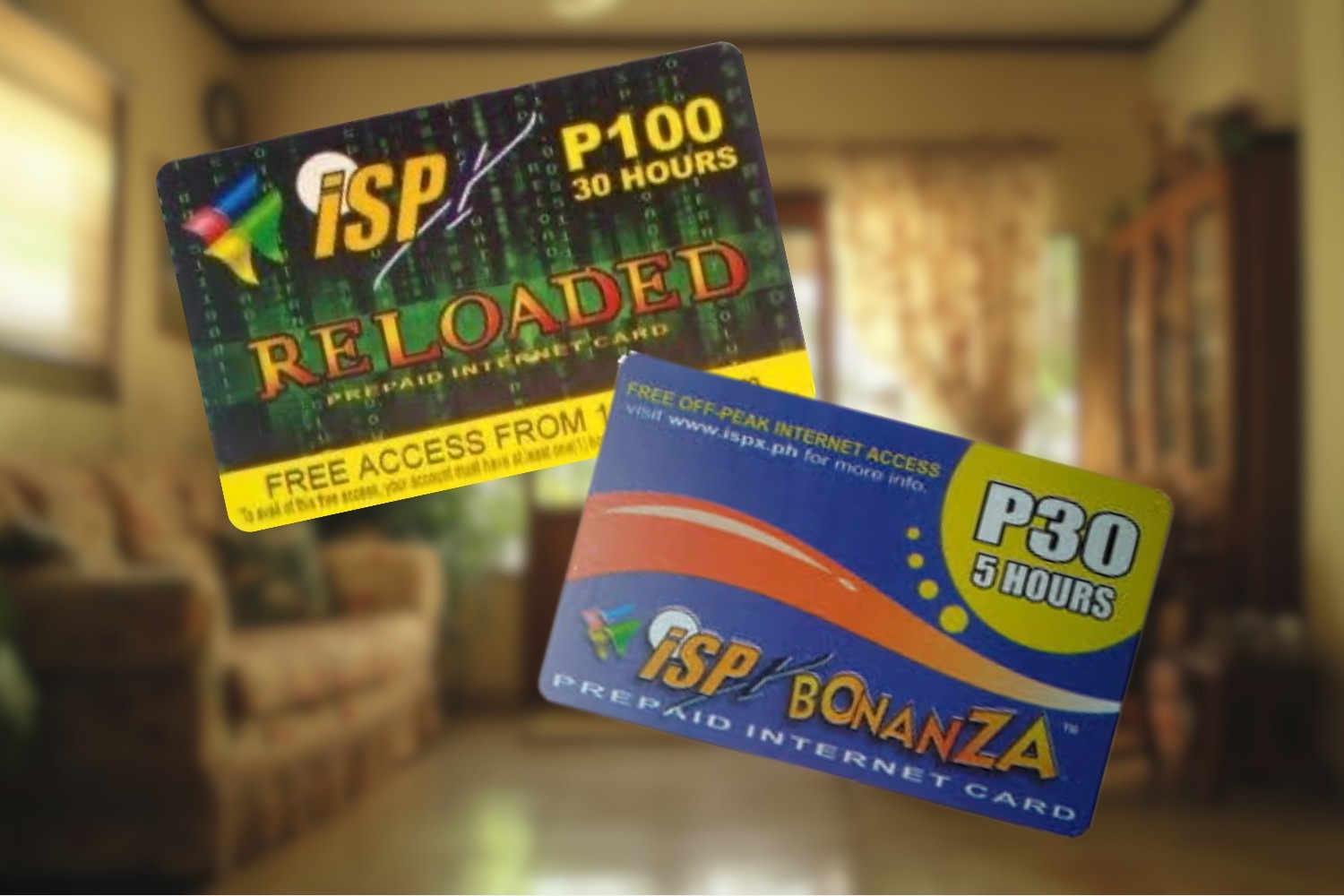
Before Wi-Fi signals quietly filled our homes and smartphones placed the world in our pockets, there was a time when getting online felt like a small, deliberate ritual. It began with a card—thin, glossy, and precious—often bought from a sari-sari store or a computer shop. For many Filipinos in the early 2000s, that card was ISP Bonanza.
There was something oddly thrilling about scratching off the silver strip at the back, revealing a string of numbers that felt like a secret key to another universe. You’d sit in front of a bulky desktop computer, the electric hum of the CPU blending with the anticipation in your chest. Then came the familiar process: dial the number, enter the code, and wait.
And then, the sound.
That unmistakable symphony of beeps, static, and robotic screeches—the dial-up handshake—signaled your entry into the early internet. It was both annoying and magical. To kids of that era, it sounded like possibility. Like Friendster profiles waiting to be customized, Yahoo Messenger chats about to begin, and the slow, pixel-by-pixel loading of images that felt worth every second.
The battle between landlines and logins
But logging on was never seamless
Every Filipino household knew the unspoken rule: “Huwag muna tumawag, naka-internet ako!” Because the moment someone picked up the landline, the connection would drop without mercy. Hours of chatting or downloading—gone in an instant. It was a fragile connection, shared with the entire household, constantly at risk of interruption. And if you were in the middle of something important? You just had to start all over again.
Time itself felt different online. You were always aware that every minute counted—literally. Those prepaid cards had limits, and every second online felt like a resource being spent. You learned to be efficient: type faster, click smarter, avoid unnecessary pages. Opening too many tabs wasn’t even an option. Even loading a single song could take what felt like forever, and buffering was not an inconvenience—it was a way of life.
Yet, despite the hassle, there was a certain intimacy to it all. Families negotiated internet time. Siblings took turns. Parents would peek in, curious or slightly suspicious of this new digital world. The internet wasn’t something you passively scrolled through—it was something you entered, carefully and intentionally.
Today’s generation will never quite understand that kind of patience. Internet access is now instant, constant, and deeply personal. No cords, no waiting, no interruptions—just a tap on a screen. Kids stream videos in seconds, jump between apps effortlessly, and stay connected wherever they go. The idea of being disconnected because someone made a phone call feels almost absurd.
And yet, for those who grew up with ISP Bonanza and other dial-up cards, there’s a quiet fondness for those slower days. Because in all the waiting, the disconnections, and the limits, there was also wonder. The internet wasn’t taken for granted—it was something you earned, minute by minute, connection by connection.