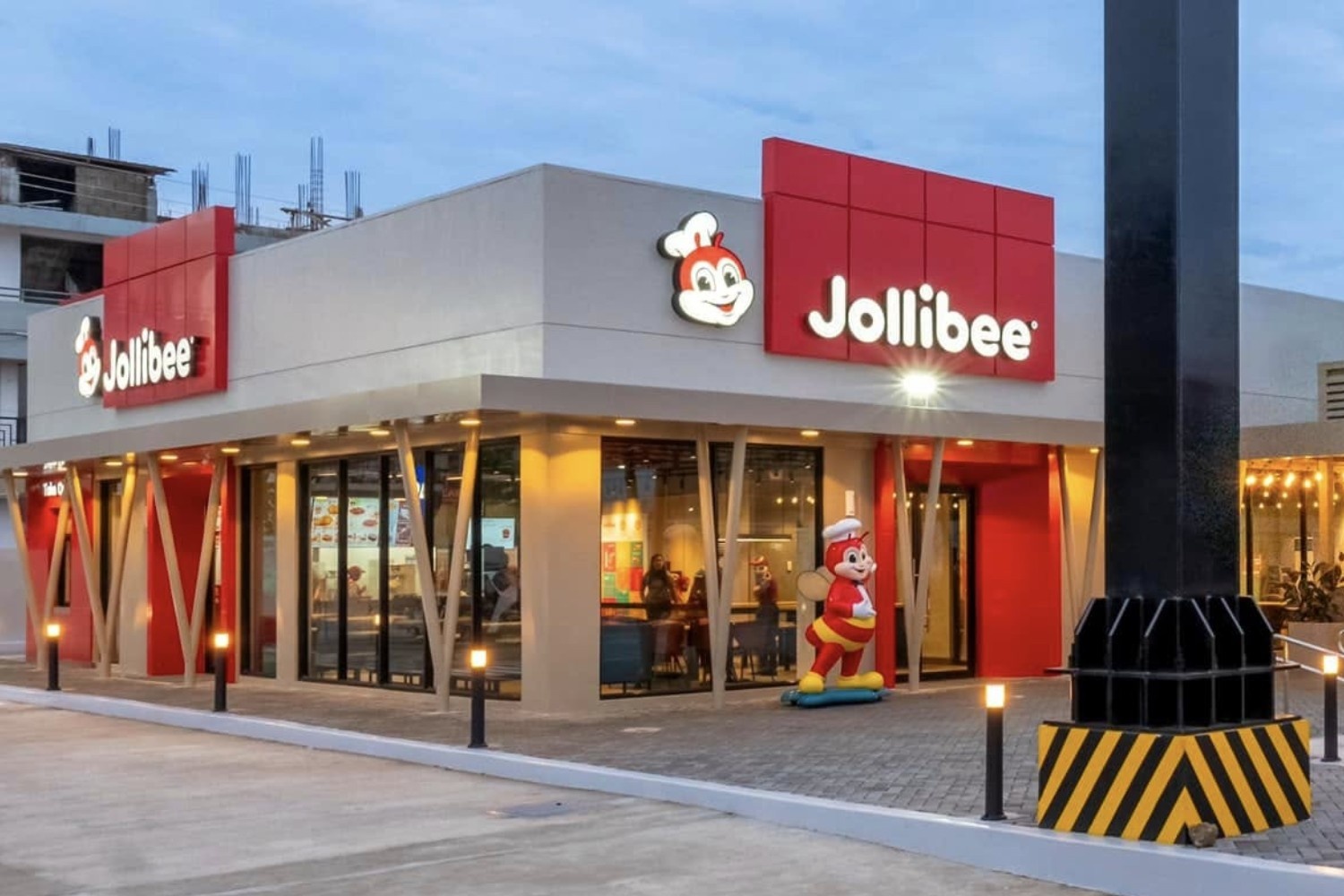
The Jollibee Tuguegarao store earns the PH’s first LEED O+M certification.
A quick-service restaurant in Tuguegarao City has become the first in the Philippines to meet a global benchmark for sustainable operations, raising the question of whether this marks the start of a new standard in fast food sustainability.
The store, operated by Jollibee in Enrile, Tuguegarao, earned LEED O+M (Operations and Maintenance) certification from the U.S. Green Building Council, a recognition that focuses on how a building performs in day-to-day operations rather than how it was designed.
The anatomy of a green store
The certification marks a first for the local quick-service restaurant sector. LEED O+M evaluates real-world performance across energy use, water efficiency, waste management, and indoor environmental quality over time.
What adds weight to the development is its operational focus. Systems tied to daily store functions are generally easier to replicate across a network compared to structural design changes, making the model more relevant for potential scaling if adopted more widely.
The Enrile branch integrates rooftop solar panels, LED lighting, solar window films, and high-efficiency motors to manage energy use. Water efficiency features include motion sensors. faucets, rainwater harvesting, and an onsite wastewater treatment system that allows reuse for cleaning and maintenance.
Jollibee has placed the initiative under its “Joy for Tomorrow” program, which integrates energy and water efficiency into store design and operations across its network.
Whether this becomes a template for broader rollout or remains a standalone benchmark will determine how fast sustainability moves from isolated projects to standard practice in the fast food industry.