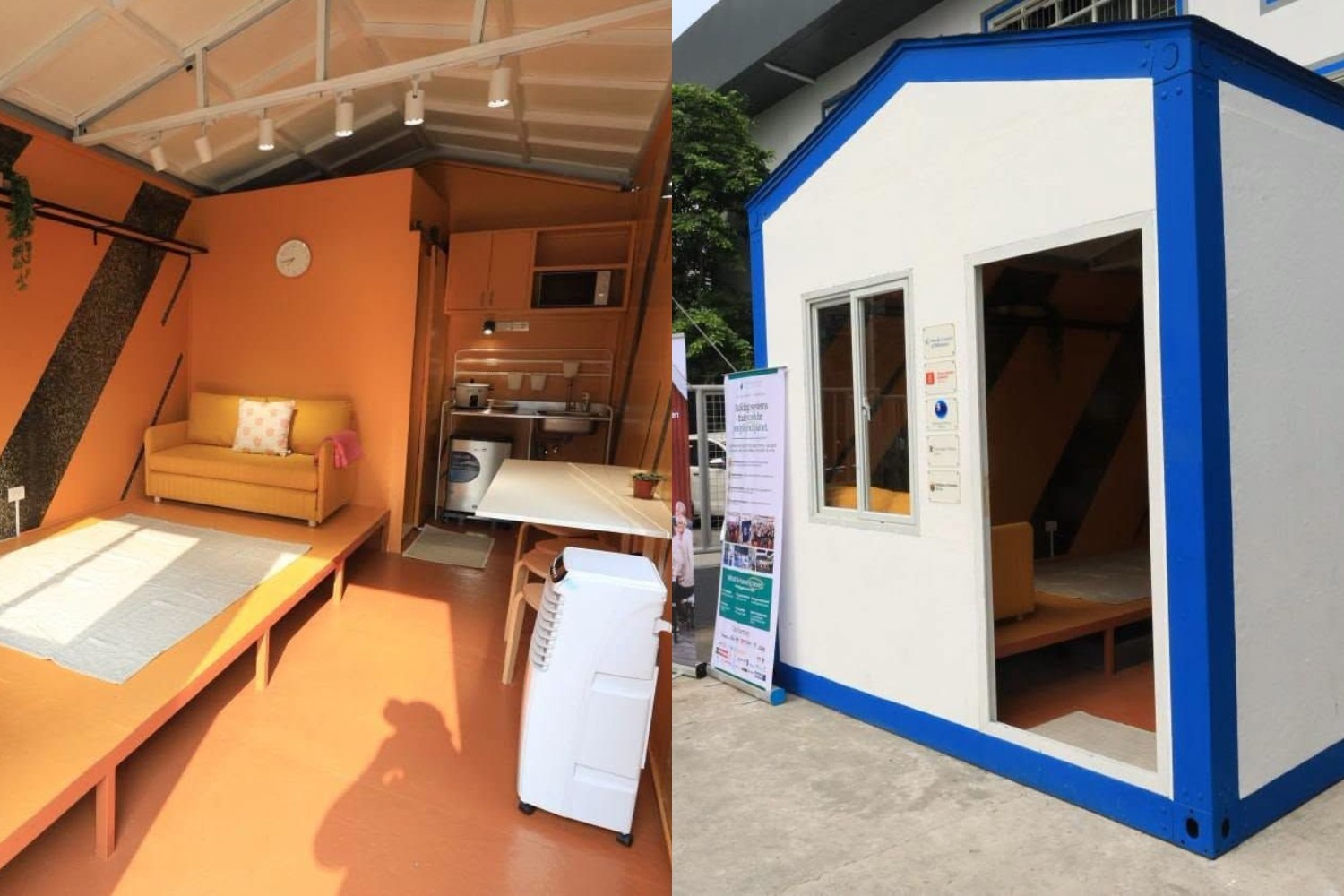
Pasig City officials showcased the modular unit made from approximately 2,200 kilograms of upcycled flexible plastic waste—including courier pouches and food sachets. Each unit consists of 60 modular panels that can be fully assembled in just two weeks, providing a dignified transition space for families displaced by infrastructure projects or natural disasters.
Fast-build units offer temporary shelter for families awaiting permanent homes.
Plastic waste could soon become shelter for displaced families in Pasig City.
The Pasig City local government unitis piloting modular transition housing built using reform plastic technology, which converts flexible plastic waste—like sachets, packaging, and courier pouches—into durable boards for walls, roofing, and flooring.
The 2.2-ton shelter
Each unit repurposes around 2,200 kilograms of plastic that would otherwise end up in landfills or waterways. These are turned into about 60 modular panels, forming a compact shelter that can house four to five people. Because of its design, each unit can be assembled in as little as two weeks, allowing faster deployment for families displaced by disasters or demolitions.
The units are designed as temporary housing while families wait for permanent relocation sites, particularly in situations where clearing operations or infrastructure projects require urgent resettlement.
Inclusive housing
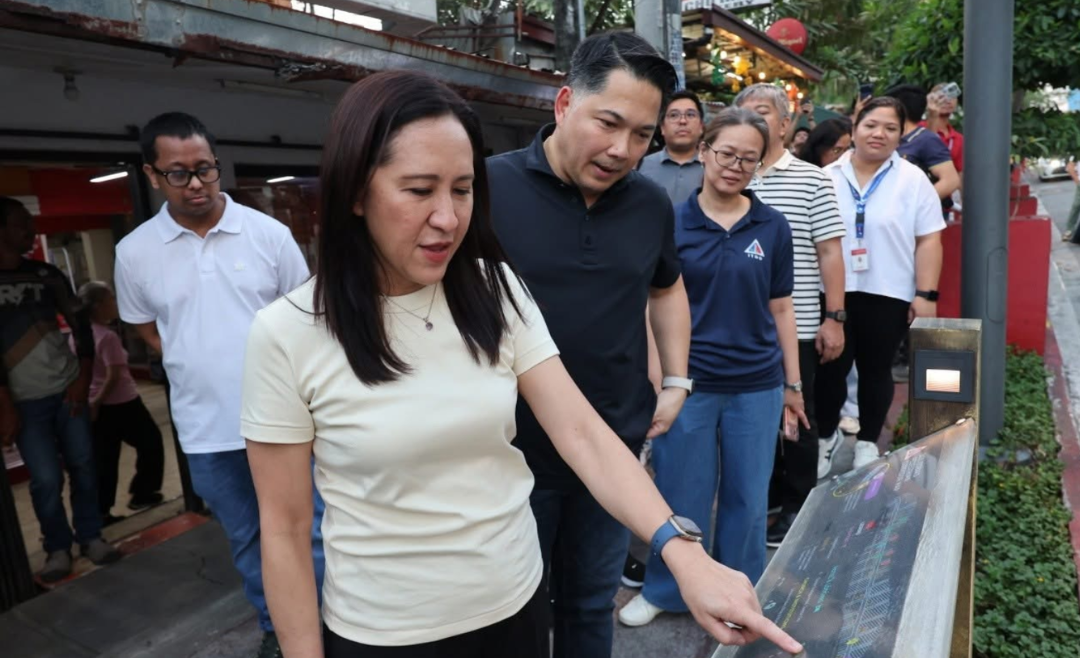
Pasig mayor Vico Sottosaid the city will not proceed with demolitions unless alternative housing is ready, addressing a key concern in urban redevelopment and reducing the risk of families being left in limbo.
For flood-prone Pasig City, the model offers both speed and flexibility. Units can be relocated or replicated as needed while giving low-value plastic waste a second life as housing. If scaled, the approach could also support emergency response efforts beyond the city.
Pasig City is turning 2.2 tons of plastic waste into durable modular homes that can be built in 14 days. Discover how reform plastic tech provides decent shelter while cleaning up the waterways.
radar Recommends
The advantage of reform plastic for building materials
Durable & Termite-Proof: Unlike traditional wood or low-quality plywood, reform plastic boards are waterproof, termite-proof, and fire-retardant, making them ideal for the Philippine climate.
Circular Economy: It creates a market for "trash." LGUs can now incentivize residents to collect sachets, knowing they have a direct use for them in city-funded housing projects.
Cost-Efficiency: While the initial tech setup is an investment, the "raw material" (waste) is effectively free, significantly lowering the long-term cost of temporary shelter
John Lloyd is a journalist by trade and a House Stark loyalist at heart. He writes all things business and tech—with bits of Spanish and chess on the side.