Mapua partners with Arizona State University to put focus on applied learning, sustainability training, and real-world engineering preparation
The Philippines continues to produce a steady stream of engineering graduates every year, but readiness for the realities waiting outside the classroom often tells a more complicated story. In infrastructure, energy, manufacturing, healthcare systems, and digital services, the work environment is increasingly defined by faster technology cycles, tighter efficiency targets, and expectations that go beyond technical knowledge alone.
The recalibration problem
This issue does not usually surface at graduation. It becomes more visible once graduates enter companies that still spend time retraining, recalibrating, or slowly aligning skills with actual operational demands. At the same time, engineering education in many parts of the world is moving toward more applied learning models, where students are exposed earlier to research work, industry conditions, and problem-solving tied to real constraints rather than purely theoretical exercises.
Engineering readiness under pressure
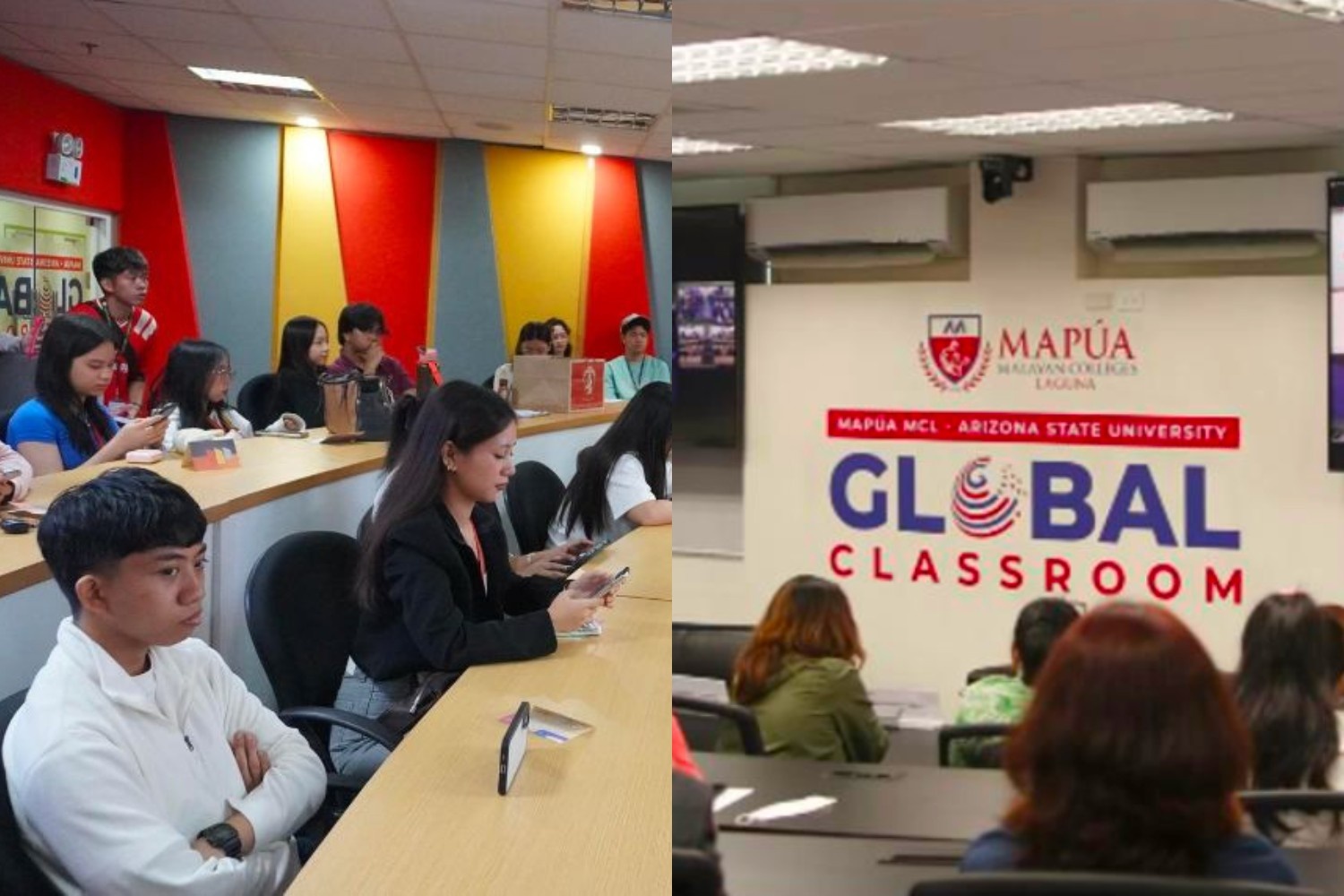
That tension between classroom preparation and workplace reality sits at the center of a new academic partnership involving Mapua Education Group and Arizona State University (ASU). The collaboration begins with business, health sciences, and medicine, while its longer direction is anchored on engineering and sustainability, two areas where both education systems and industries continue to raise expectations.
Under the partnership, ASU is expected to work with Mapua in strengthening engineering education through applied research and industry-linked training. The focus is on exposing students earlier to real-world constraints, where engineering decisions are shaped not just by design principles but by cost, timelines, materials, and operational limitations that mirror actual working conditions.
The rise of the Green College
Alongside this, Mapúa is preparing to establish a Green College dedicated to sustainability education, research, and short-form learning programs. This adds another layer to how future engineers and professionals are being prepared, especially as industries in the Philippines face growing pressure to meet environmental standards, reduce energy use, and respond to sustainability requirements tied to compliance and competitiveness.
The timing also aligns with enrollment cycles, when students and families are deciding on degree programs that will determine career paths years down the line. Engineering remains one of the most practical choices in the country, but what “practical” means is expanding. Employers are increasingly looking for graduates who can work within systems that are not only technically complex but also environmentally and operationally constrained.
For students entering the workforce in the coming years, the question extends beyond becoming an engineer. It now includes how closely their training lines up with the realities of the job they are preparing for and how well that training can keep pace as industry demands continue to evolve.