Whether it’s the hand-cranked rhythm of the garapiñera or the neon-pink nostalgia of street-side iskrambol, radar explores the frosty artifacts and cool traditions that have defined the Philippine summer since the 1800s.
Ice. Behind this three-letter word is the culinary story of every frozen treat that Filipinos enjoyed since the 19th century until today. And as a tropical country, it formed part of the changes in our culinary way of life by simply tickling our palate with cold, sweet, delicious treats in the heat of summer.
Ice began as a commodity in our country when the Spanish colonizers opened us to world trade at the start of the 19th century. Ice was imported. The industry started in the 1830s when an American businessman, Frederick Tudor, sold ice blocks cut from frozen ponds in Boston, Massachusetts, and transported them by “refrigerator ships” to British India. His booming business of keeping “the Orientals” cool expanded to other Asian countries, including the Philippines.
Soon, ice storage houses were built in major cities and towns where the shipped ice was stored, wrapped in sacks, and kept under piles of rice husks or sawdust. Orders depended on the size of the blocks needed, which were cut with saws or expertly chipped with an ice pick and then delivered by wagons to customers.
Filipinos who were used to room-temperature water and warm drinks took a liking to this new product—it not only kept their liquids cold, but it also preserved fresh produce for a long time. Soon, household kitchens had the nevera, or the icebox, where food was stored to prevent spoiling and where drinks were kept cold. Ice importation ended during the American period in 1902 when the Philippines made its own ice at the Insular Ice and Cold Storage Plant near the southern end of the Puente de Colgante (now Quezon Bridge) in Ermita.
Shaved ice opened the doors for new kinds of frozen delights. Shaving ice was done, at first, by a pangkaskas—a hand-held, hollow metal tool that looks like the first-generation cellphones with a chisel-like blade affixed to the bottom.
The pangkaskas is rapidly scraped back and forth across the surface of the ice block, then opened, and the clump of shaved ice inside is dropped on the sweet ingredients in a glass (for halo-halo or con hielo) before milk is poured in or placed in a cardboard cone and fruit syrups are poured on it for a “snow cone.”
Hand-cranked and, later, electric mechanized ice crushers (remember the one invented by the Father of Filipino Inventors, Benjamin Almeda Sr., where chunks of ice were dropped in a steel chamber and a lever was pressed down on them through a sharp-bladed crusher that sounded like a chainsaw) and heavy-duty blenders made the making of shaved ice easier and faster.
Here is a list of the frozen delights we have enjoyed and are still enjoying through the years. Some may have disappeared through time (after all, they were consumer products and depended on supply and demand), but their memories still remain.
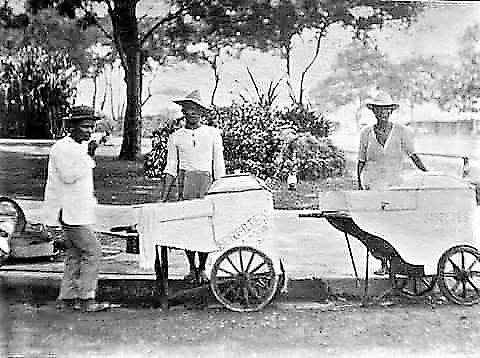
The sorbetes story
Our taste for ice cream began with the sherbet (sorbet in Spanish), made of shaved ice and fruit-flavored syrup served in cut-glass goblets in hotels in Binondo, Sta. Cruz and Intramuros. It then changed into the ice cream we now know through the invention of another Filipino kitchen gadget—the ice cream maker or the garapiñera.
The garapiñera was a round, five-gallon metal canister on a small turnstile inside a wooden drum. The canister was spun with a crank to churn the ice cream. Fresh carabao’s milk and egg yolks are simmered together in a pot on a low flame until thick. Flavors are created with the addition of other ingredients during the cooking process. Coffee beans for the de café or mocha flavor, vanilla beans for vanilla flavor, or, for fruity flavors, the addition of real fruit bits like chopped nangka and mango.
The mixture is then poured into the garapiñera. Ice and rock salt are then packed between the metal canister and the wooden drum. The container is then covered tightly, and the contents are churned with the hand crank until the right consistency is reached. The result is sorbetes—the cold, thick, creamy local ice cream enjoyed by the young and old alike.
Sorbetes was not only a dessert but also a status symbol. The equipment used to make and store ice cream was expensive. Since it was only the rich and well-to-do who could afford to buy ice, and so it was with ice cream. But with the arrival of the Americans, sorbetes became an inexpensive, popular product when businessmen discovered its commercial viability.
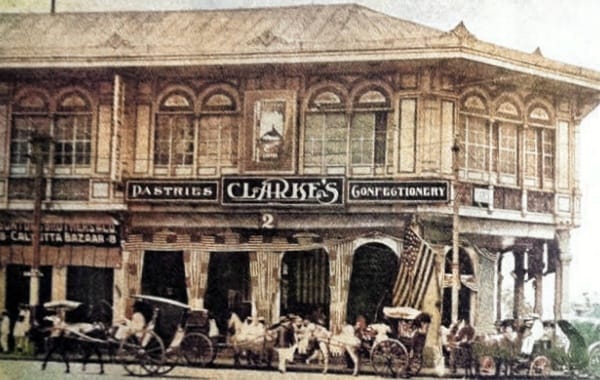
Clarke’s, the first ice cream parlor in the Philippines, opened on Plaza Moraga in Sta. Cruz, Manila. Owned by American businessman Metcalfe Clarke, this café introduced pink ice cream made out of tinned evaporated milk. And as the economy grew during the American period, imported goods started coming into the country, one of them being ice cream shipped in from the United States.
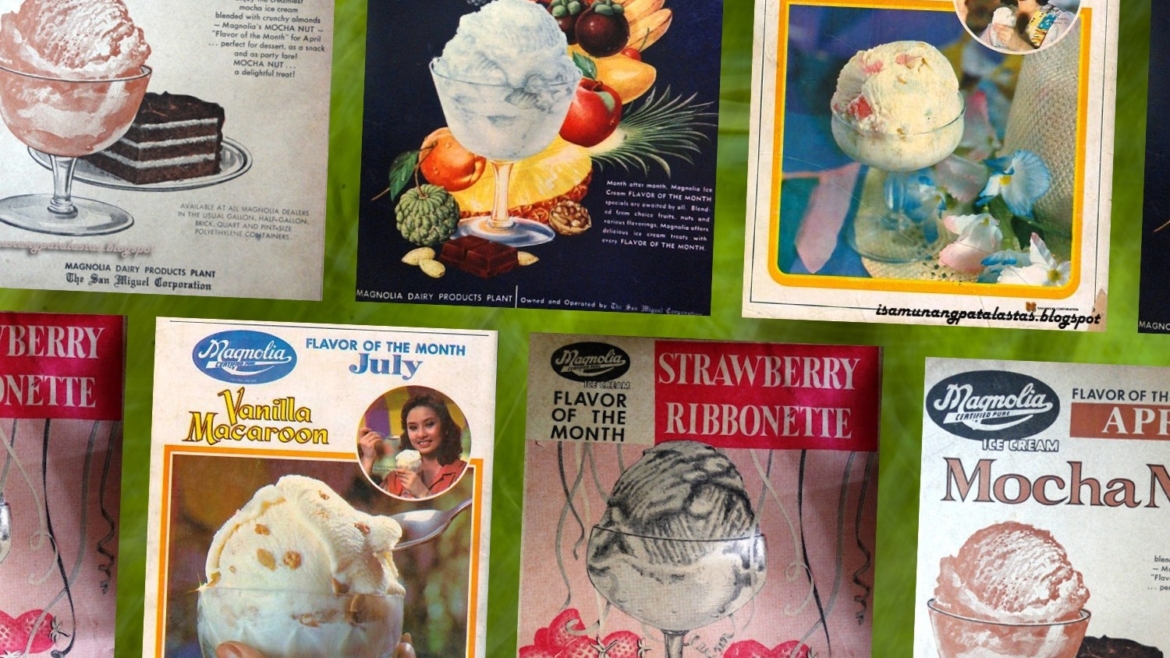
The commercialization of ice cream led to the decline of the local sorbetes. Brands like Magnolia Ice Cream, Selecta, and Arce became popular with new flavors, plus the government standards of sanitation in food processing that pushed sorbetes out of the competition. Home-cooked or cottage industry cuisines were relegated to areas outside the city where modernization was slow-paced.
The sorbetes was still a specialty of the provincial town fiesta, but the ones sold on the city streets became known by their (un)popular name today: dirty ice cream.
The evolution of halo-halo and con hielos
Strange but true. Our much-loved halo-halo had a foreign past.
Kakigori was a dessert of shaved ice with syrup or milk on red beans that was introduced by Japanese migrants to the Philippines. Residents in pre-World War II Manila remember Japanese-owned stores selling this treat along Calle Real in Intramuros.
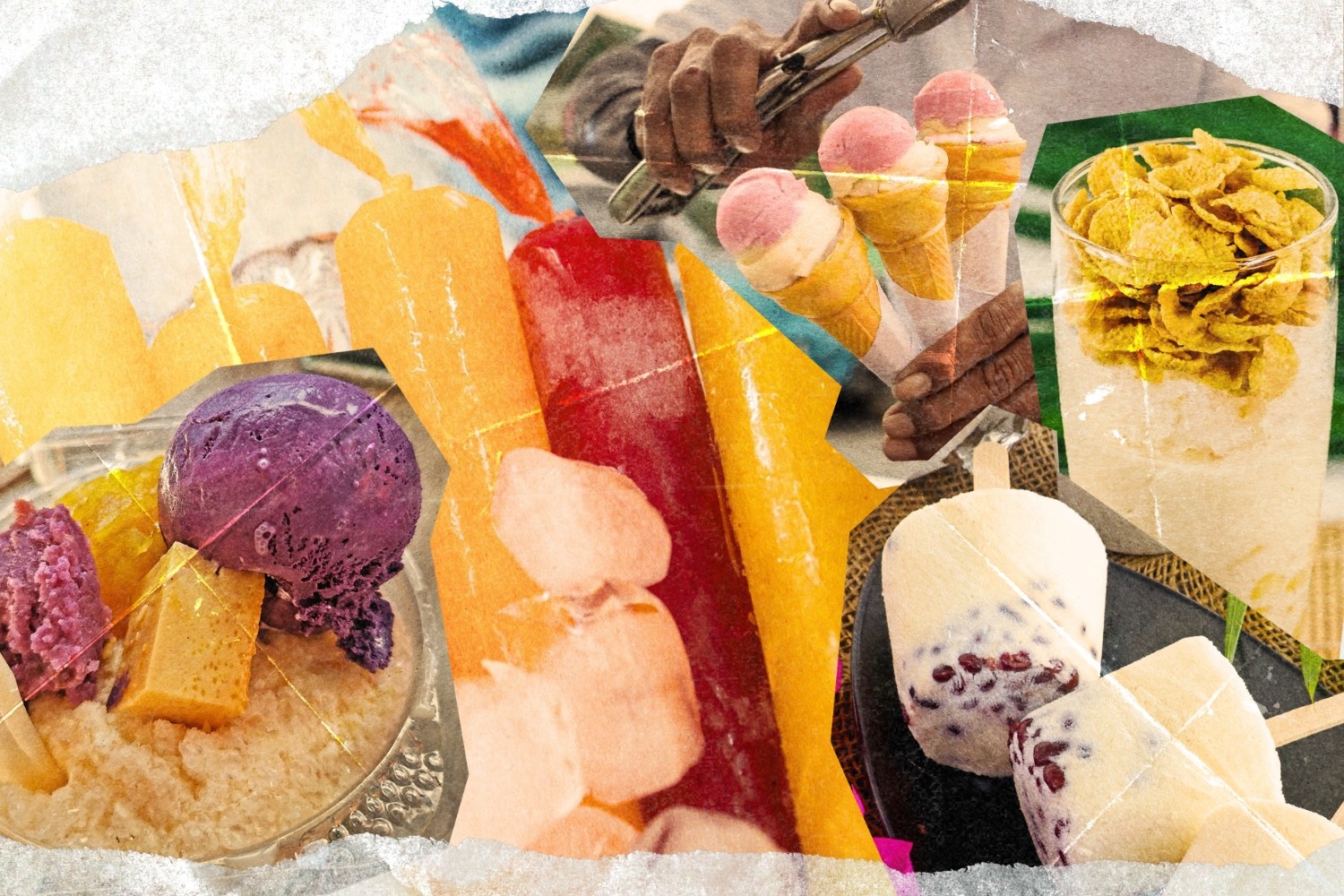
Filipino tastes, however, pushed the kakigori to a different level by creating the halo-halo, piling more ingredients onto the beans like sweetened bananas and kamotes, kaong, nata de coco, gulaman, and sago, then topping them off with ice cream and kakanins like halayang ube and leche flan. Milk is then poured in with some spoonfuls of sugar, and then the halo-halo is mixed (“halo”) with a churning-like motion to melt the ice into a cold, drink-like milk dessert with layers of sweet stuff at the bottom.
If one wanted something simpler, shaved ice on top of sweetened mongo beans, bananas (the saba kind), or canned corn can be served. They were called by their ingredients combined with the Spanish phrase “con hielo” (with ice). Thus, we have the monggo con hielo, the saging con hielo, and the mais con hielo.
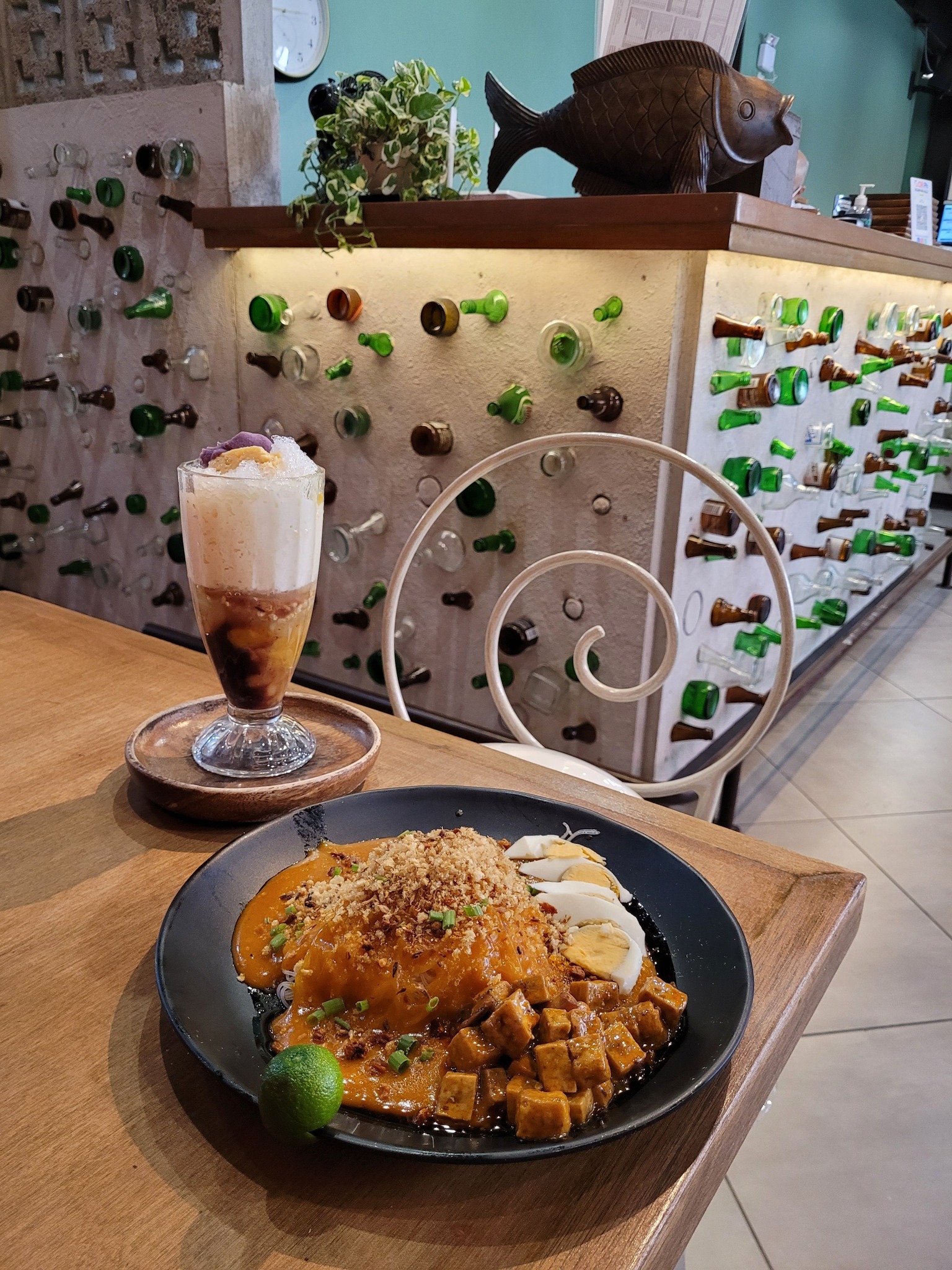
Look for halo-halo in every town and city in the country, and each one will have residents who would mention a place where the best halo-halo can be eaten, like Razon’s in Pampanga or Digman’s in Cavite. Halo-halo and con hielos also became the popular desserts in restaurants as well as in fast food places like Chowking and Mang Inasal.
The legend of Sison’s
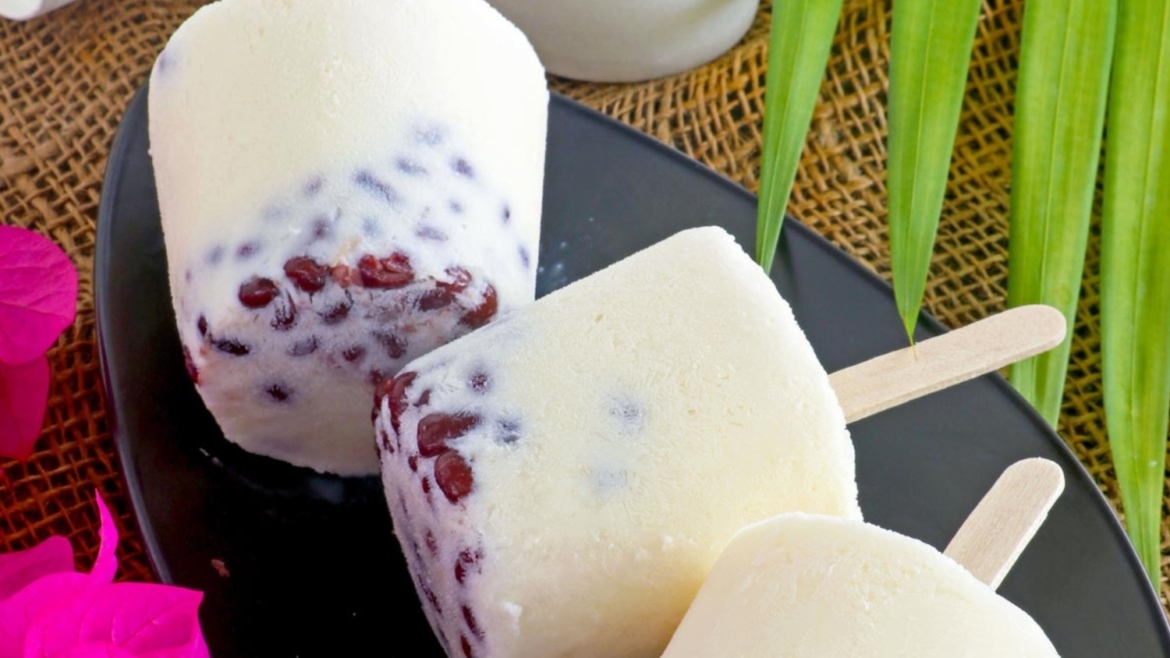
The name of this frozen delight is uniquely ours. In other countries, they are called ice pops. In the Philippines, we called it “ice drops”—a cheap, ice cream-like treat that looked like a frozen mushroom the size of a hand, topped with real bits of its flavors from monggo, red beans, cheese (queso), pinipig, and coconut (buko). That incredibly stays firmly stuck on a popsicle stick as long as it is frozen.
At times, it is also called “ice buko,” as most of its texture is from shreds of young coconut. One does not bite into an ice drop. It was licked and eaten in small bites until it shrunk and fell off the stick. An unforgettable treat till the last bite.
Mention “ice drop” to Manila residents, and one brand comes to mind—Sison’s.
This ice drop factory was located at the corner of Trabajo (now M. de la Fuente) and Verdad Sts. in Sampaloc. Some online notes from the late Sampaloc historian, Martin R. Gaerlan, said that the factory was a family enterprise owned and operated by businesswoman Mrs. Maria Miranda Sison along with her son, Augusto “Gus” Sison.
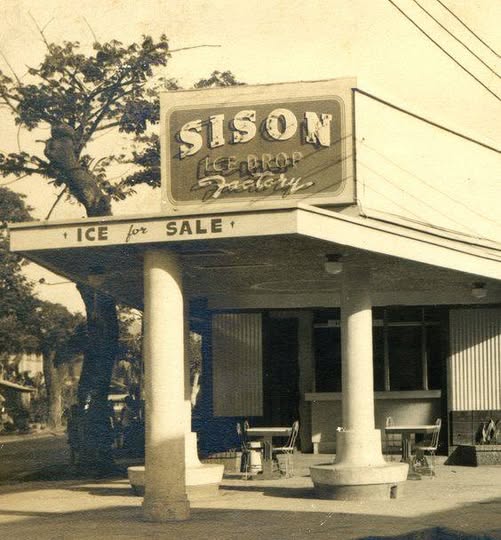
One resident remembers that he sold them for 35 centavos each. Sison’s was popular from the ‘60s to the ‘70s before the factory closed down for unclear reasons. (Gaerlan’s queries on the factory’s closure on his Sampaloc history blog remained unanswered.) Since then, there have been other local brands one can still see being sold in stores with some loyal following.
The dirty joy of iskrambol
This frozen treat was just like it was named—it was scrambled. Personally, I encountered iskrambol from a vendor that sold it from a pushcart in front of my school in Quezon City. We watched the vendor mix the shaved ice, milk, sugar, and syrup flavor in a plastic bucket. He then held up the bucket to a metal wire beater as big as his hand, hanging from a bar on his cart, and then, with a crank attached to it, “scramble” the mixture into a stiff slush. He then scoops it out with a ladle into paper cups and hands it to us with a popsicle stick stuck into it. Parents usually discouraged us from eating iskrambol because it was “unsanitary” (very much like the “dirty ice cream” sold from the ice cream beside the iskrambol vendor), but we didn’t listen and just enjoyed it.