A staple in Filipino folklore and a hidden star in modern milk tea, the kundol remains a versatile giant in the world of local produce.
Almost every Filipino has sung the lyrics of “Bahay Kubo” at least once in childhood. From “singkamas at talong” to “sigarilyas at mani,” the folk song became practically a memory exercise in Filipino vegetables. But somewhere in that long list is one word many children—and even adults—quietly gloss over without really knowing what it is: kundol.
Unlike pechay, sitaw, or kamatis that are easy to spot in palengkes and dinner tables, kundol feels strangely mysterious despite being immortalized in one of the country’s most famous folk songs. Many Filipinos can sing its name perfectly, yet would probably struggle to identify it in real life.
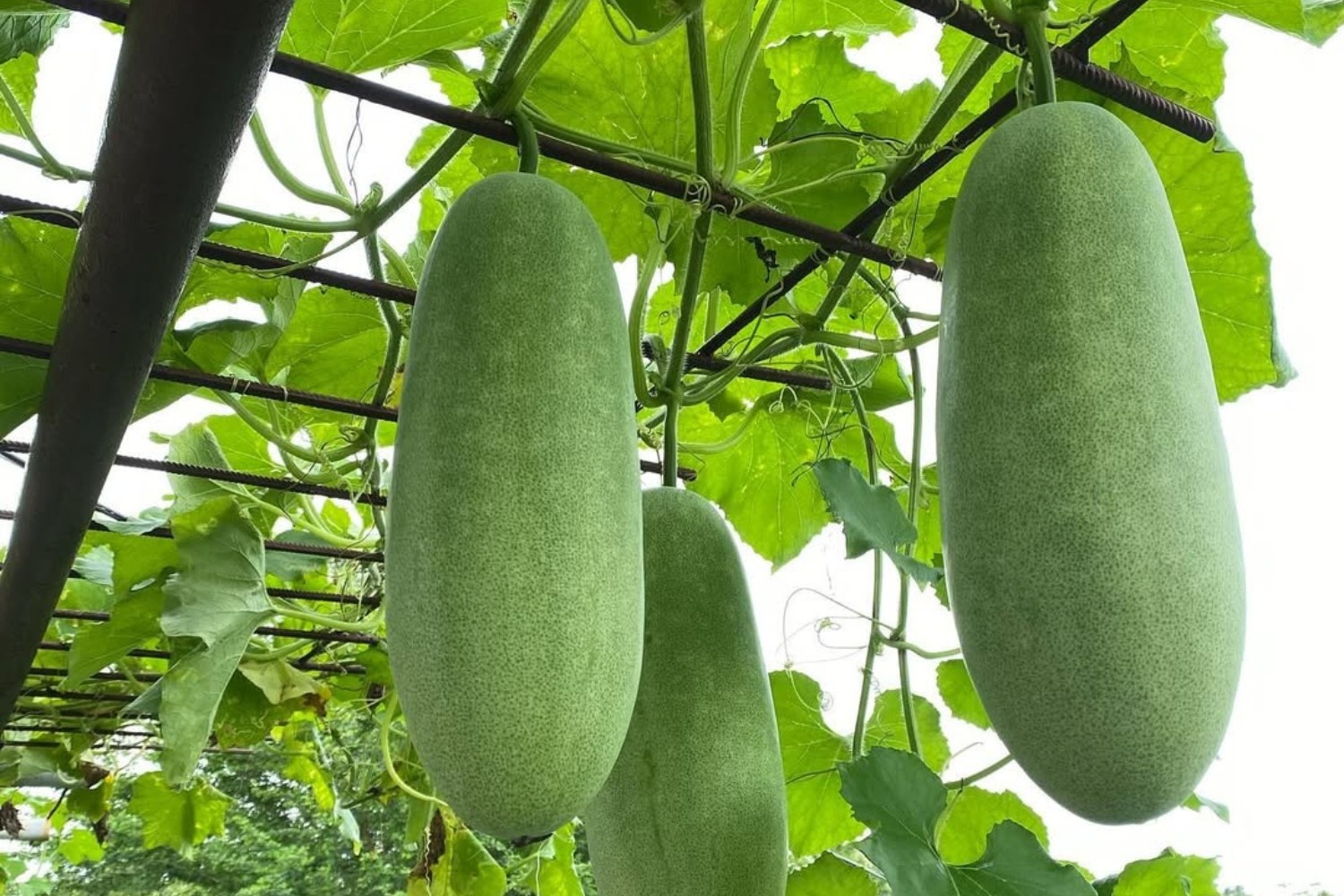
Kundol, also known as winter melon, ash gourd, or wax gourd, is actually a massive pale green fruit treated like a vegetable in cooking. At first glance, it can look like an oversized upo crossed with a watermelon covered in ash-like powder. Inside, however, is soft white flesh with a mild taste that easily absorbs flavors—making it perfect for soups, stews, and sautéed dishes.
And chances are, many Filipinos have already eaten kundol without realizing it.
The secret ingredient in sweets and soups
In some homes, kundol is cooked in simple sabaw with chicken or pork, where it becomes tender and slightly translucent after simmering. Others ginisa it with sardines or ground meat. Older bakeries and hopia makers also use minatamis na kundol—the candied version—as filling.
Ironically, one of the most popular modern uses of kundol is something younger Filipinos drink regularly without knowing its Filipino name: winter melon milk tea.
Beyond its culinary uses, kundol has long been valued for its health benefits. It is made up of about 96 percent water, making it highly hydrating and refreshing in hot tropical weather. It is also rich in fiber, Vitamin C, potassium, and antioxidants.
Traditional Asian medicine even considers kundol a “cooling” food believed to help reduce body heat and soothe the stomach—perhaps one reason why it became popular in warm countries like the Philippines.
But perhaps the most fascinating thing about kundol is how it became culturally famous despite quietly fading from everyday familiarity. It survived not through viral recipes or trendy restaurants, but through a folk song sung by generations of Filipino schoolchildren.
So the next time “Bahay Kubo” starts playing and the lyrics reach “patani, kundol, patola,” at least one vegetable in that iconic list will no longer feel like a complete mystery.
At first glance, kundol can look like an oversized upo crossed with a watermelon covered in ash-like powder. Inside, however, is soft white flesh with a mild taste that easily absorbs flavors—making it perfect for soups, stews, and sautéed dishes.
READ: