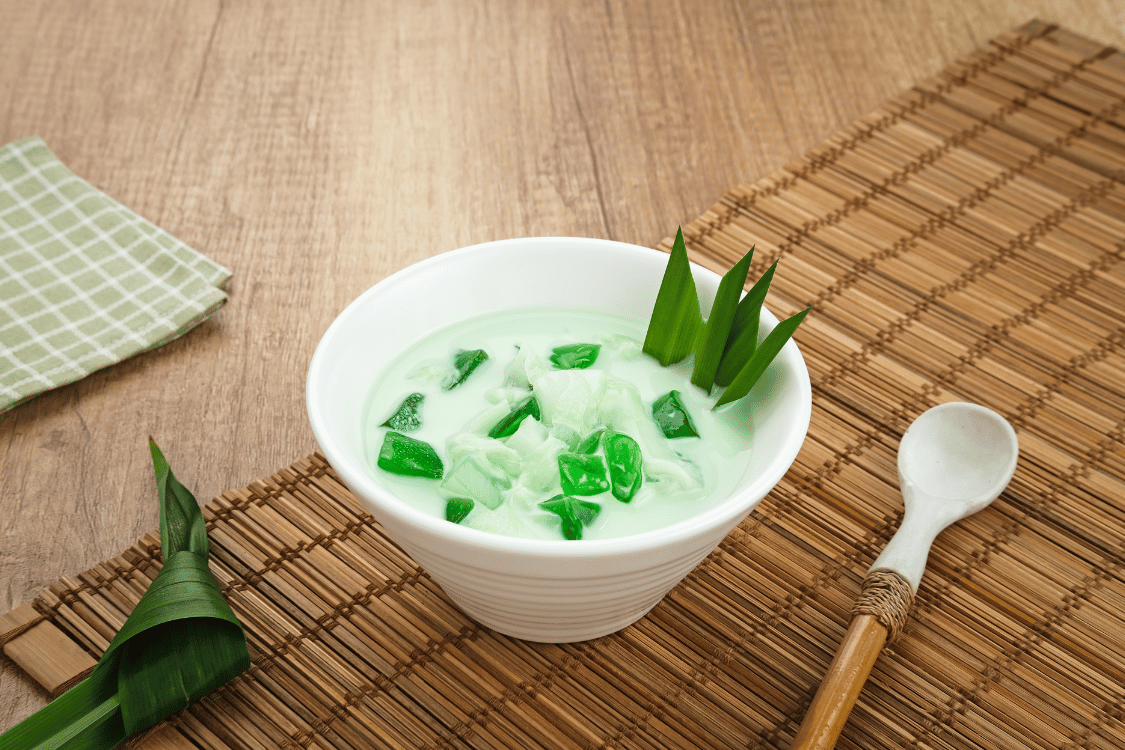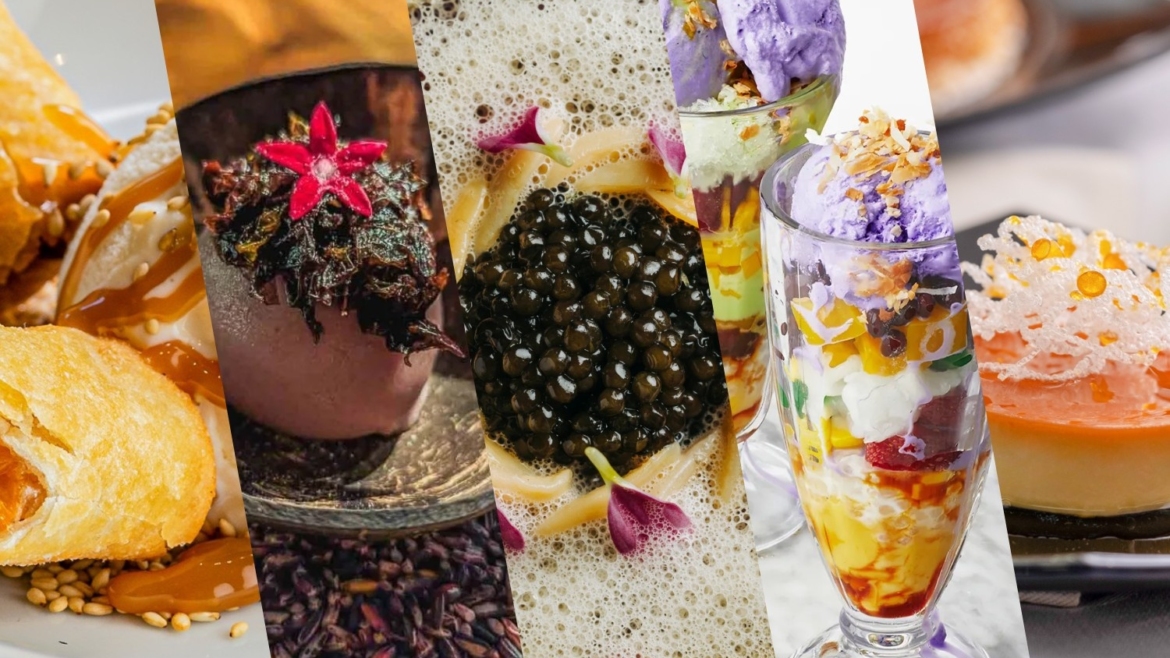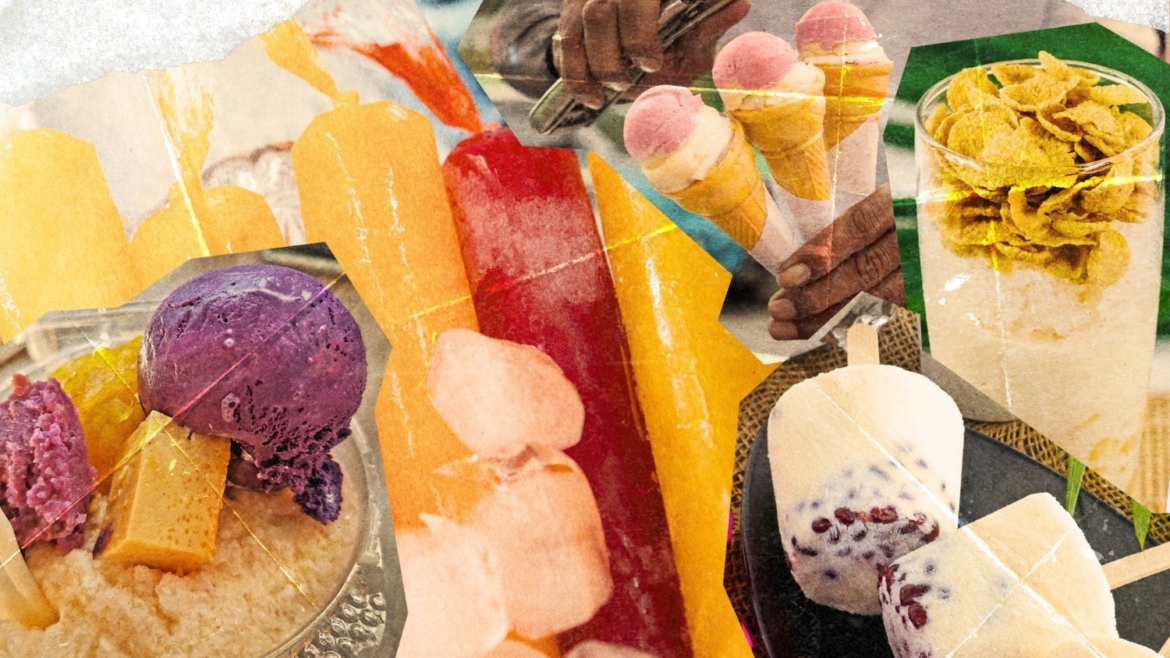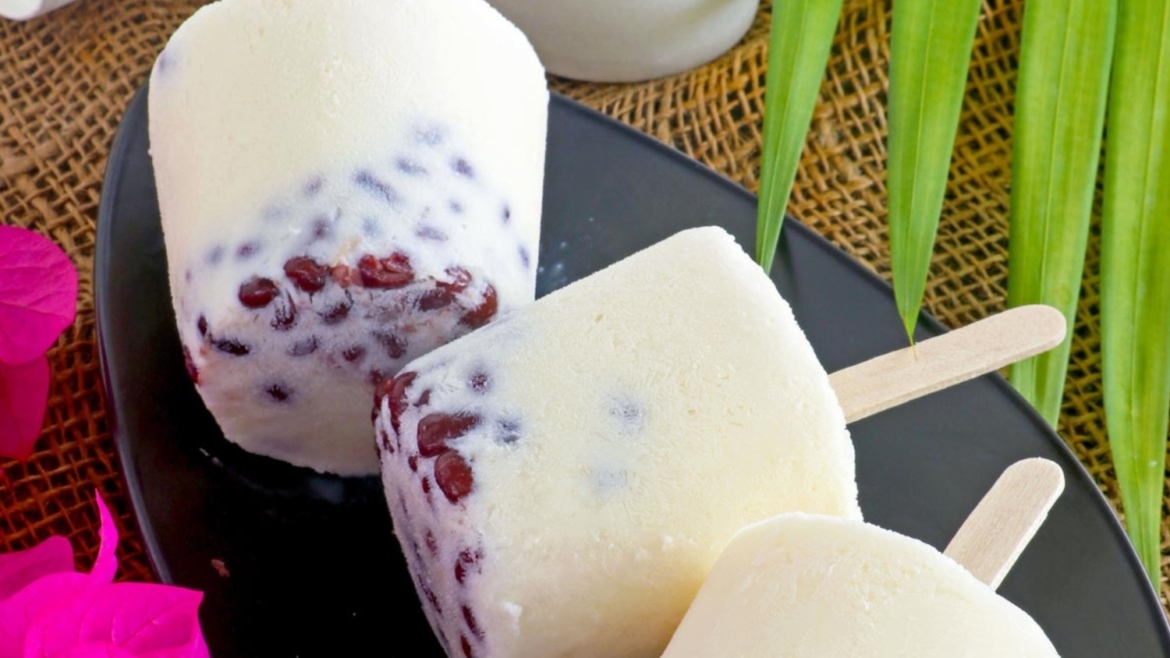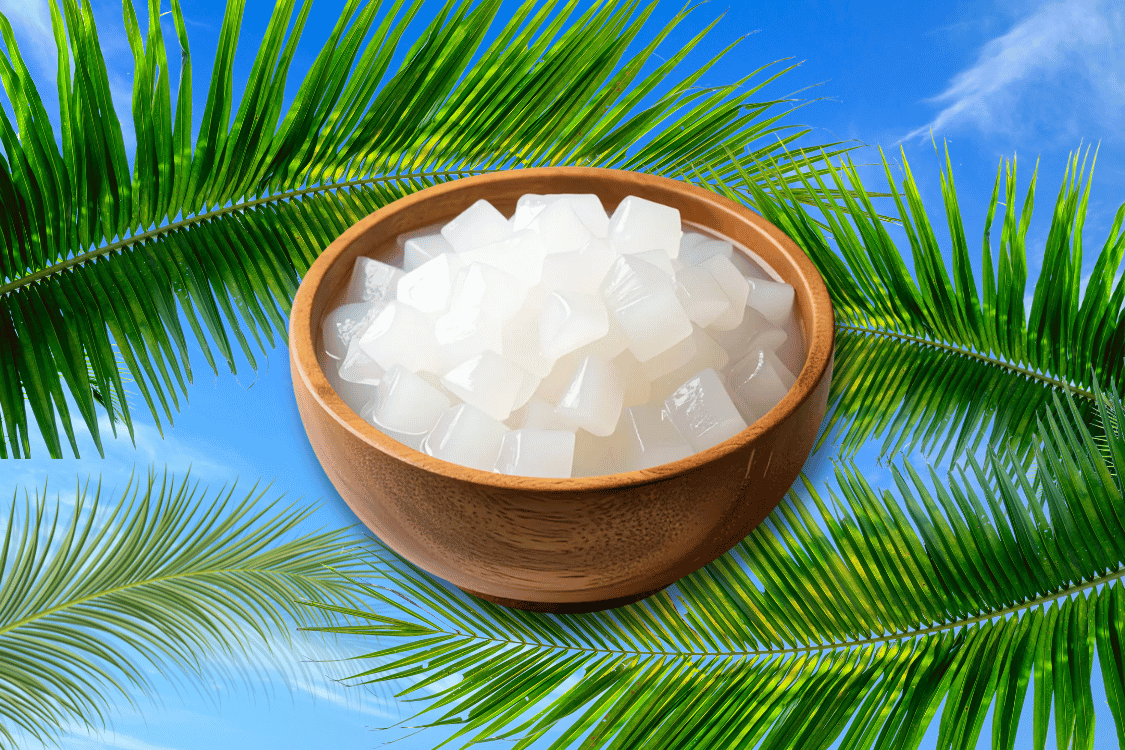
The first time you encounter nata de coco as a child, it almost feels confusing. It sits there inside a bowl of buko salad or halo-halo looking like tiny cubes of glass — translucent, shiny, slightly suspicious.
You scoop one into your mouth expecting it to melt like gulaman, only to discover something entirely different. It pushes back. It bounces between your teeth. It is chewy without being gummy, sweet without being overpowering, and strangely addictive in a way that makes you keep digging through the dessert just to find more of those slippery little cubes.
For many Filipinos, nata de coco is simply part of growing up. It appears during birthdays, fiestas, Christmas dinners, and family reunions packed inside giant bowls of fruit salad chilling in the refrigerator beside queso de bola and leftover spaghetti. Children fight over the red and green cubes while adults pretend not to care but quietly add extra spoonfuls onto their plates.
What many people do not realize is that nata de coco is not just a dessert ingredient. It is one of the Philippines’ most successful food inventions — a product of Filipino ingenuity born from something most people once threw away.

Back in 1949, Filipina chemist Teódula Kalaw África was working for the National Coconut Corporation when she developed nata de coco as an alternative to nata de piña. Pineapples were seasonal. Coconuts, on the other hand, were everywhere in the Philippines. Instead of letting excess coconut water go to waste, she discovered a way to transform it into something entirely new through fermentation.
The process itself sounds almost magical. Coconut water is mixed with sugar and beneficial bacteria, then left undisturbed for days. Slowly, the bacteria create a thick floating layer of natural cellulose on the surface — a rubbery sheet that eventually becomes the nata de coco people know today. It is then cut into cubes, washed, sweetened, and soaked in syrup until it develops that familiar glossy appearance found in grocery jars and dessert bowls across the country.
What makes the invention remarkable is how Filipino it feels at its core: practical, resourceful, and creative. Nata de coco came from the ability to look at excess coconut water — something easily discarded — and imagine possibility instead of waste.
And from there, it traveled everywhere.
Today, nata de coco has become a global export and a staple across Asia. It appears inside milk teas, fruit drinks, yogurts, ice cream, and trendy beverages like Mogu Mogu. In Japan, Thailand, Taiwan, and even Western supermarkets, people enjoy the chewy coconut cubes often without realizing they originated in the Philippines.
Yet nowhere does nata de coco feel more at home than in a Filipino handaan.