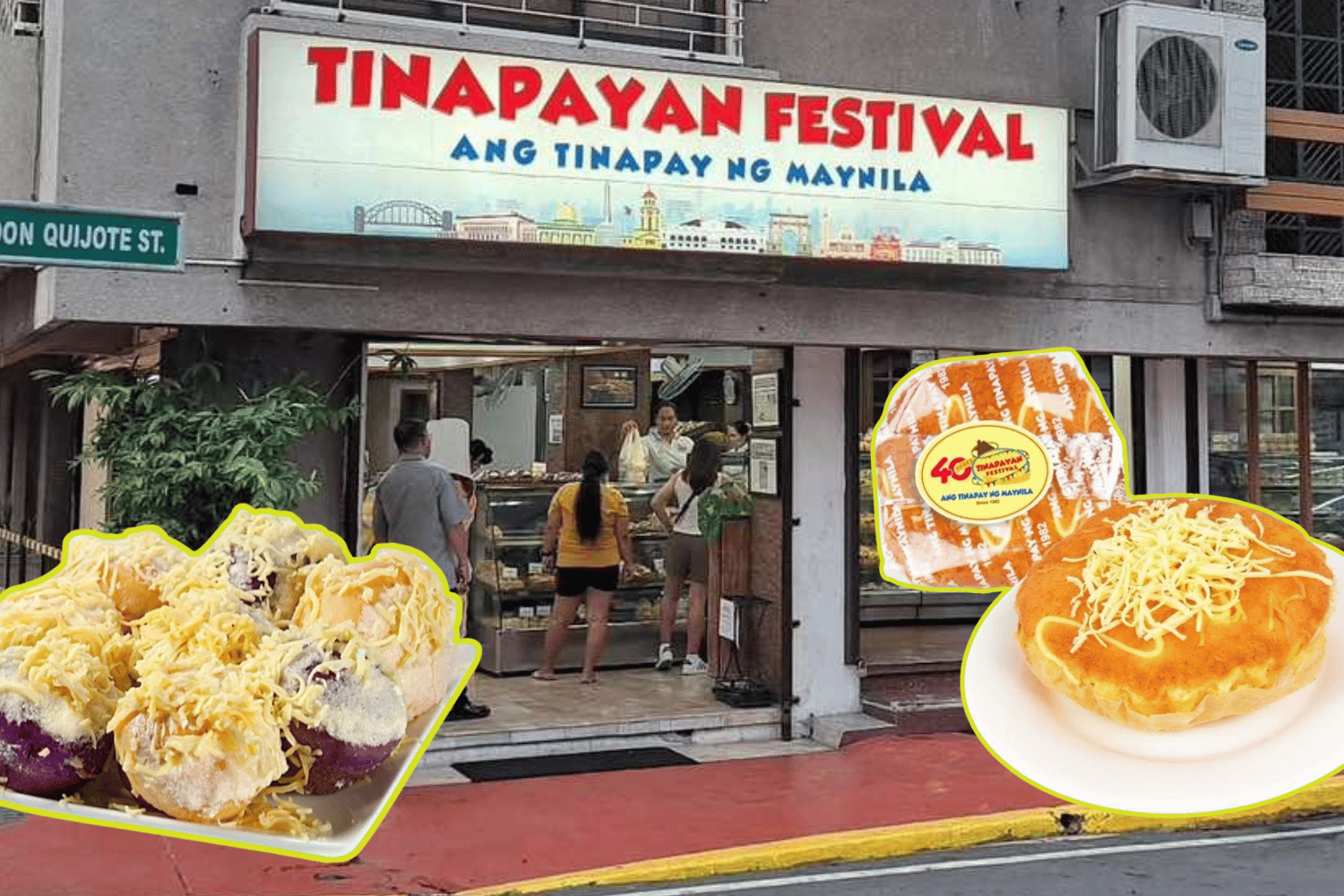
Rising from a small Sampaloc panaderia, this community bakery kept the heart of Manila’s neighborhood alive through changing times.
Every neighborhood in Manila used to have that one bakery.
The kind you could smell before you could even see it. The kind with fogged-up glass displays, metal trays fresh from the oven, and customers lining up as early as sunrise for warm pandesal. Before artisanal cafés and designer pastries became trendy, neighborhood bakeries were where ordinary city life happened — where people bought breakfast before work, merienda after school, or bread to bring home for the family.
For many Manileños, Tinapayan Festival Bakeshoppe became exactly that kind of place.
Since opening in 1982, the bakery has quietly grown into one of Manila’s most beloved community institutions, known for serving affordable bread, pastries, cakes, and Filipino merienda staples to generations of residents, workers, students, and commuters.
Unlike flashy food chains built around trends, Tinapayan Festival built its reputation through routine. It became part of people’s everyday lives.
Morning office workers grabbed freshly baked pandesal before heading to Quiapo or Binondo. Parents bought ensaymada and cheese rolls for their children after school. Students from nearby schools like University of Santo Tomas and Far Eastern University crowded the counters between classes looking for filling snacks that could stretch a student allowance.
Over the years, several breads became cult favorites among loyal customers.
Their premium cheese rolls developed an almost legendary status among students and office workers craving something rich and comforting after a long day. The special ensaymada — generously topped with butter, sugar, and cheese — became a staple pasalubong item for families heading home. Many regulars also swear by the bakery’s cheesy loaf, ube loaf, bacon cheese bread, cheesy dog, and asado rolls that are often bought warm straight from the trays.
But perhaps what truly made Tinapayan Festival stand out were its famous “Agri-Breads.”
Long before healthier breads became trendy, the bakery was already producing malunggay pandesal, carrot bread, kamote bread, potato bread, and its nutrient-packed “Super Healthy Pandesal” made with ingredients like pandan, lemongrass, and malunggay.
The potato bread in particular became one of its signature products after being introduced in the 1980s, developing a loyal following for its soft texture and longer shelf life.
Beyond breads, the bakery also became known for affordable celebration cakes, silvanas, and Napoleones that families could actually afford during birthdays and special occasions.
Behind the bakery’s success is a distinctly Filipino story.
Founder Lucito “Chito” Chavez, originally from Cuenca, Batangas — a town known for its long baking tradition — was not originally a baker. He used to operate a gasoline station before purchasing a small panaderia in Sampaloc. Determined to learn the craft properly, he enrolled in baking classes and slowly transformed the business into what would eventually become Tinapayan Festival.
One of the bakery’s biggest turning points came during the flour shortages of the 1980s. Instead of cutting back production, Chavez began experimenting with local agricultural crops as alternative ingredients for bread.
The result was Tinapayan Festival’s now-famous “Agri-Bread” concept.
What started as a practical solution eventually became part of the bakery’s identity — producing breads that were not only affordable, but also more nutritious while supporting local farmers at the same time.
That practical, community-centered philosophy is perhaps why the bakery endured for decades while many old neighborhood establishments disappeared.
Inside Tinapayan Festival, there is little pretension. Customers line up shoulder to shoulder beneath fluorescent lights while staff rush trays of freshly baked bread from the ovens throughout the day. Cakes sit beside silvanas, cheesy loaf beside asado rolls, ube bread beside old-school Filipino pastries.
The atmosphere feels unmistakably Manila: busy, warm, slightly chaotic, but comforting.
For many customers who now return as adults with children of their own, visiting the bakery feels strangely emotional. The bread still tastes familiar. The displays still look almost the same. Even the scent triggers memories of simpler years in the city.
In many ways, Tinapayan Festival survived because it never tried to become something else.
It remained a neighborhood bakery.
And in a city constantly changing, sometimes that is exactly what people continue to hold on to.
Opening in 1982, the bakery grew into one of Manila’s most beloved community institutions, known for serving affordable bread, pastries, cakes, and Filipino merienda staples to generations of residents, workers, students, and commuters.
READ:
Once baked in every Visayan home, torta Cebuana is now left to memory
radar Lifestyle
April 9, 2026
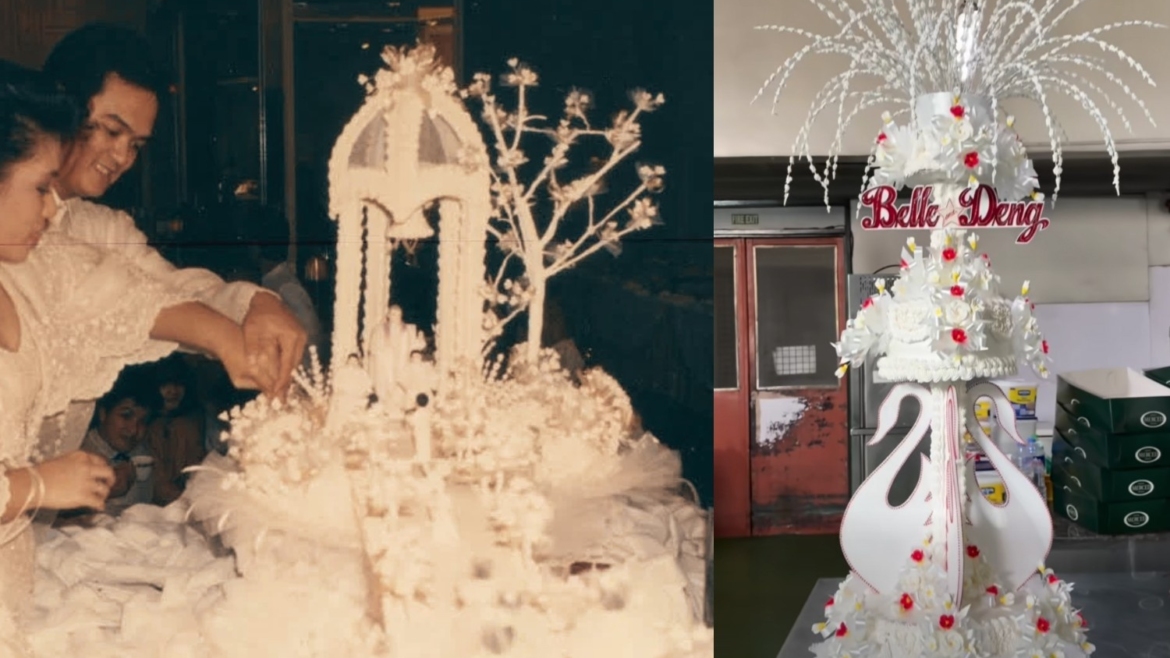
Nostalgic ‘80s-style wedding cakes are making a comeback
radar Lifestyle
April 27, 2026
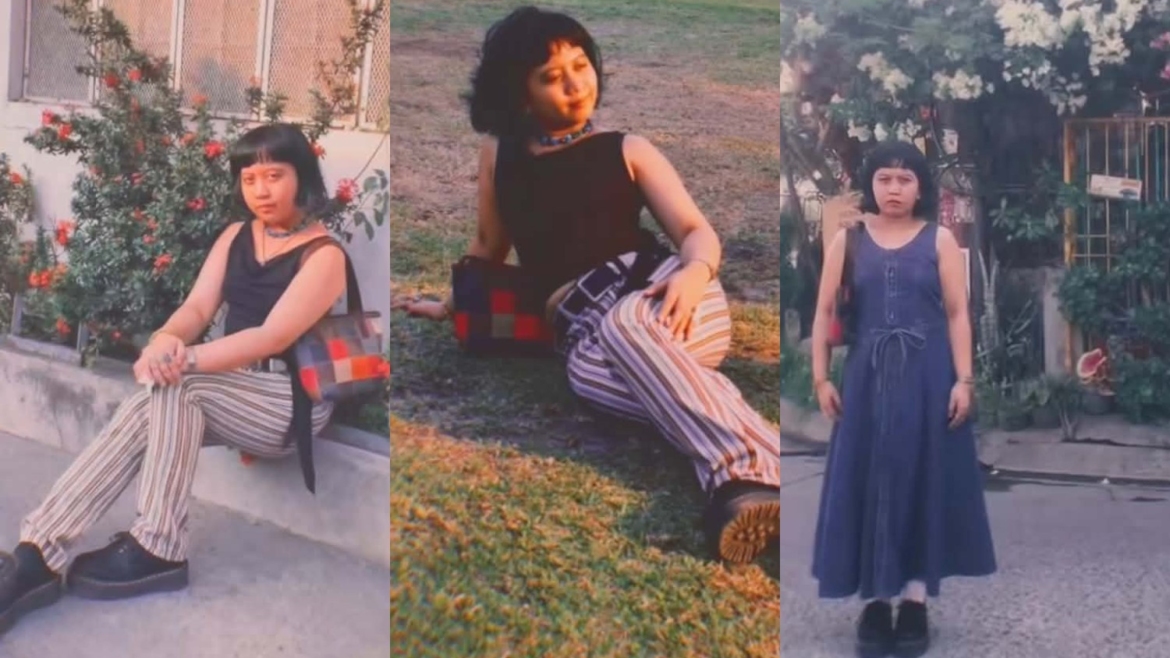
Viral Tiktok post depicts nostalgic 80s to 90s poses
Kate Nuesca
April 8, 2026