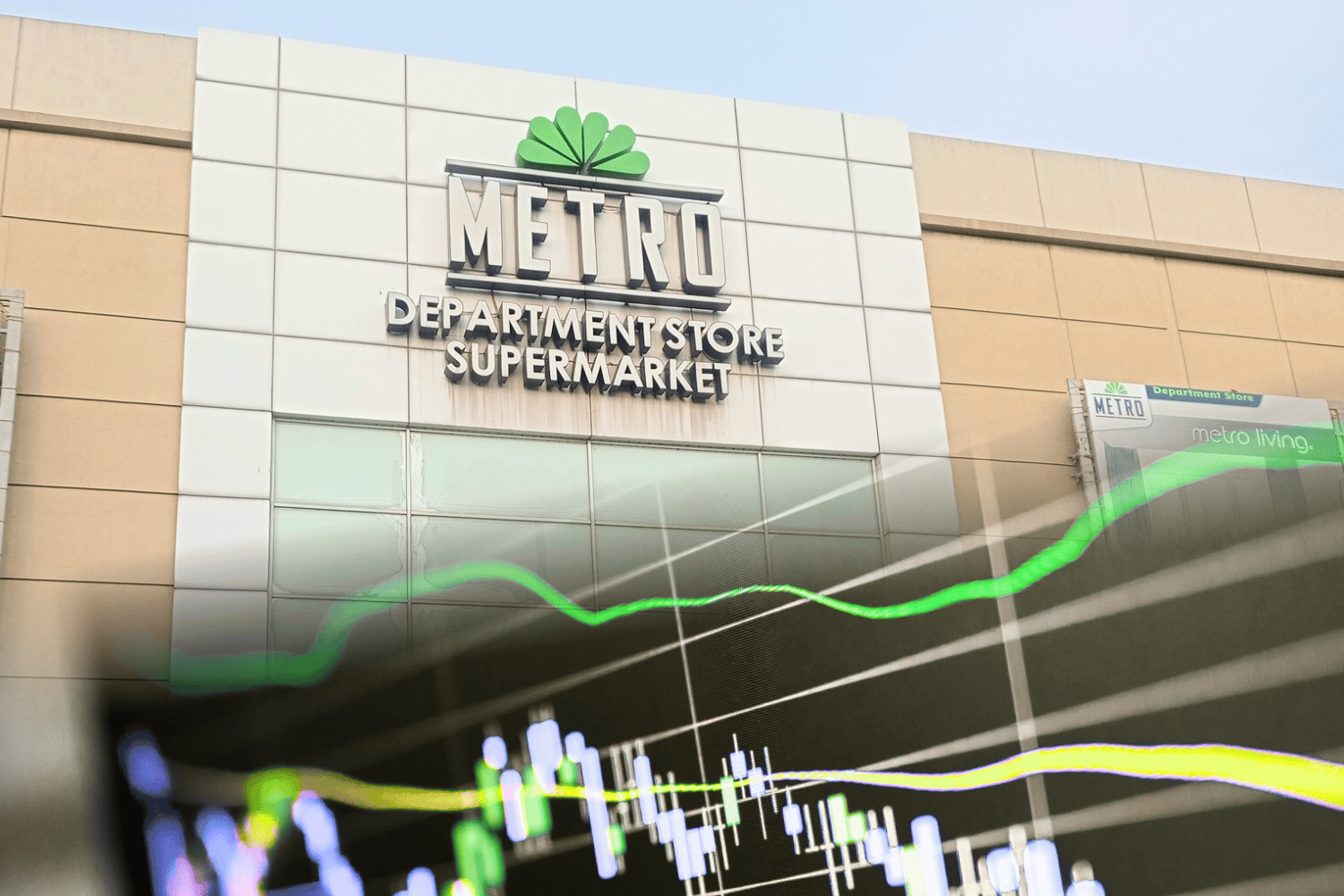
Metro Retail Stores Group, Inc. (MRSGI) delivered a stunning 92.5% surge in first-quarter net income to ₱25.8 million, with total revenue touching ₱9.38 billion. Backed by a network of 81 branches and a new strategy to embed Generika Drugstore outlets within its locations, the Cebu-based retail giant is rapidly consolidating its footprint in high-growth provincial areas outside Metro Manila.
Metro Retail posts 92.5% growth to ₱25.8M, backed by network expansion and scaled-up operations.
Metro Retail nearly doubled its quarterly profit as Filipinos continued spending heavily on groceries and other daily essentials despite tighter household budgets.
The retailer grew first-quarter net income by 92.5% to ₱25.8 million while sales climbed to ₱9.38 billion, driven largely by stronger food retail sales. Grocery purchases remained the company’s biggest growth engine, outperforming general merchandise as consumers stayed focused on necessities and practical spending.
The grocery growth engine
The results also show how large retailers are strengthening their hold outside Metro Manila, particularly in provincial growth areas where consumer demand remains steady. Expansion efforts from major chains like Metro Retail put more pressure on smaller standalone businesses that now have to compete with larger stores offering groceries, pharmacies, household items, and other services all in one place.
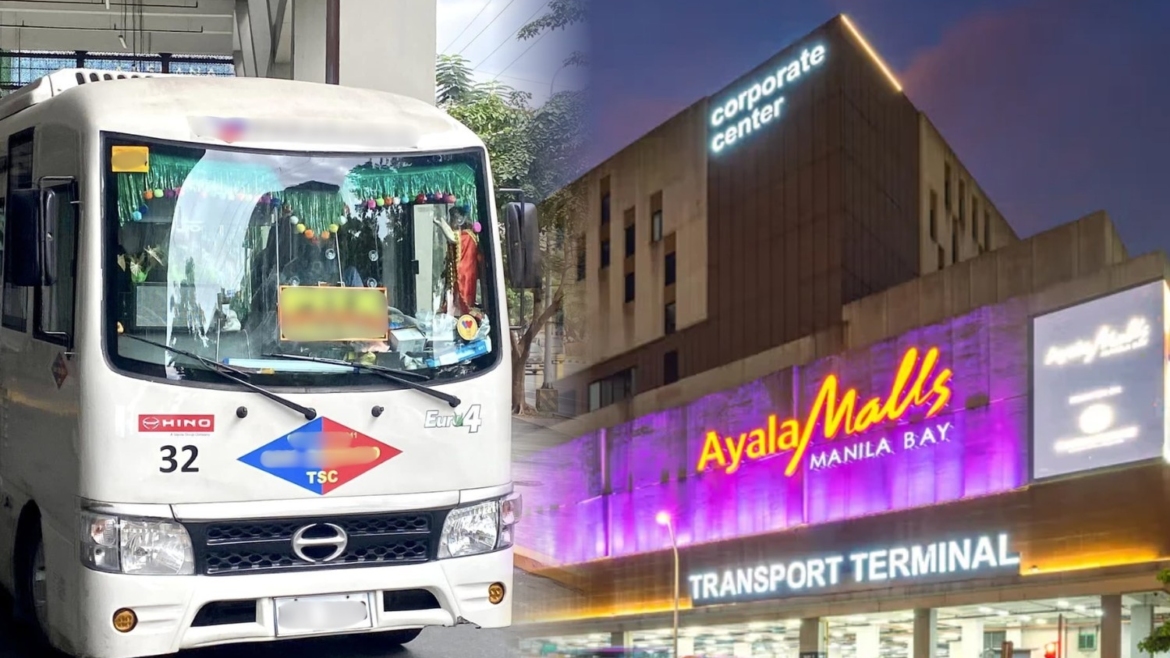
Metro Retail has started rolling out Generika Drugstore branches inside select stores, beginning with Ayala Felizand Tagaytay, with at least 12 more locations planned before the end of the year.
Despite rising costs tied to store openings, renovations, and network expansion, the company still posted a nearly 15% increase in earnings before interest, taxes, depreciation, and amortization. Metro Retail now operates 81 branches across Luzon and the Visayas.
Budgets are tight, but groceries are non-negotiable. Metro Retail’s Q1 profit nearly doubled as consumers prioritize daily essentials over general merchandise.
radar Recommends
Smart sourcing under high-volume retail
The inclusion of Generika inside supermarkets means you can cross-optimize your loyalty points and receipts. Look out for bundle rewards where grocery purchases yield discounts on generic essential medicines.
To protect margins against rising operational costs, large chains are aggressively expanding their private-label (house brand) essential goods. The same suppliers who make premium brands often manufacture these items, but they retail for 10% to 15% less.
For micro-bakers or small-scale caterers, buying your base ingredients, such as the unrefined sugars, through large-format regional supermarkets during mid-week promotional cycles can often bypass the high logistics fees charged by independent wholesale middlemen.