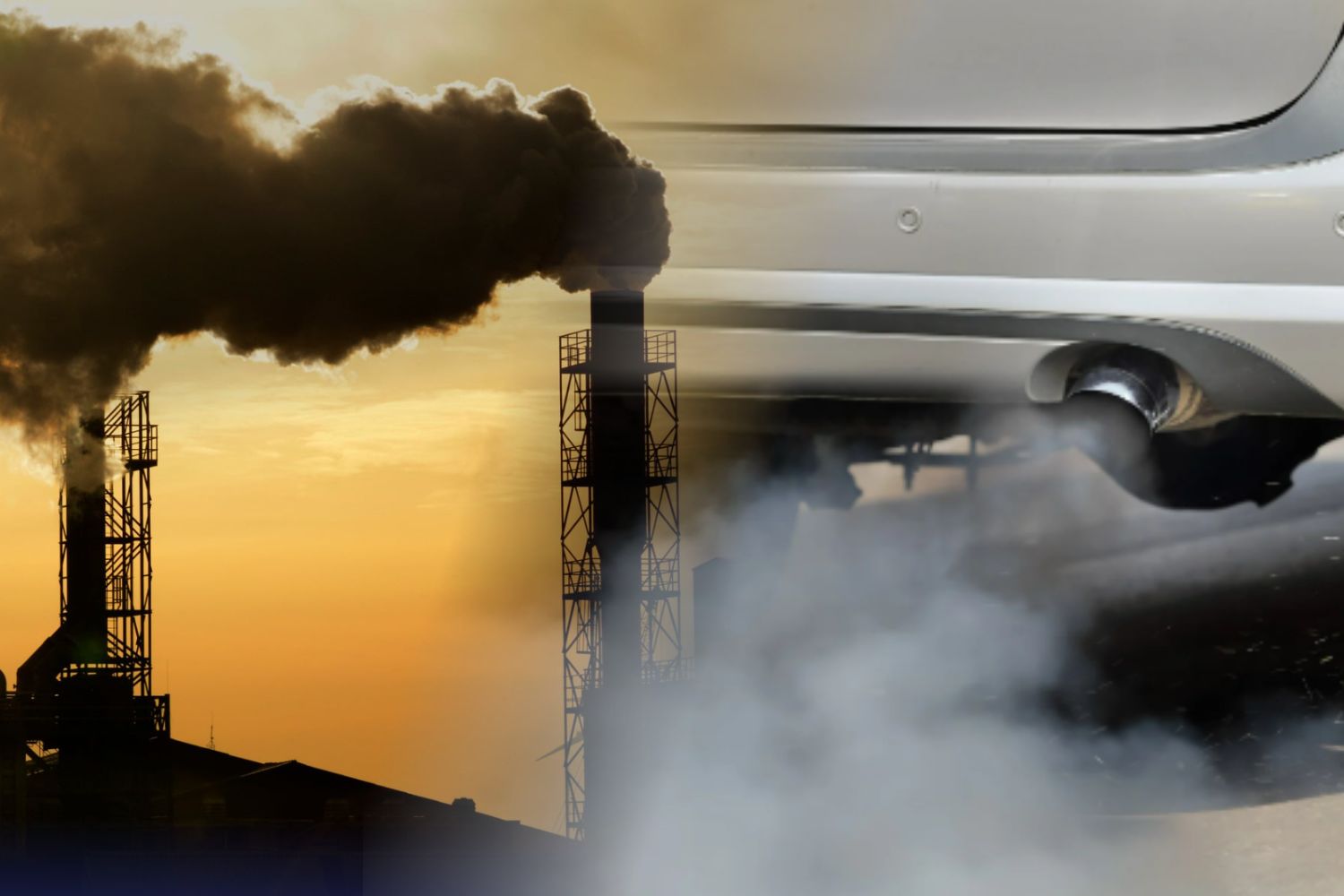
Ateneo research says industrial activity, diesel use, and unleaded fuel continue to contribute to pollution.
More than two decades after the phaseout of leaded gasoline, toxic lead is still present in the air in Metro Manila, according to researchers from the Ateneo de Manila University Department of Physics and the Manila Observatory.
Using aerosol samples collected in 2018 and 2019, the study traced the sources of airborne lead through isotope fingerprinting and found that pollution in the capital now comes largely from industrial activity, fossil fuel combustion, and environmental contamination.
Researchers identified industrial processes such as e-waste recycling and smelting as major contributors, accounting for an estimated 45% to 62% of atmospheric lead in Metro Manila. Fossil fuel use, including diesel emissions and trace amounts from unleaded gasoline, accounted for another 30% to 45%.
The microscopic threat
Unlike in other regions of the country where seasonal wind patterns influence pollution, Metro Manila’s lead contamination was found to come mostly from local emissions that persist year-round.
The study also warned that lead particles are often attached to fine particulate matter that can be inhaled deeply into the lungs and absorbed into the bloodstream. Children are considered especially vulnerable due to the risk of long-term neurological and developmental effects.
Researchers noted that while leaded gasoline has long been phased out, rapid urbanization, continued dependence on fossil fuels, and expanding industrial activity may be sustaining new forms of exposure. They also pointed out that the country has not updated its national blood lead monitoring data in nearly two decades.
The findings add to ongoing concerns over air quality in Metro Manila, where traffic congestion, industrial operations, and growing energy demands continue to shape daily environmental conditions.
An Ateneo study reveals toxic lead persists in Metro Manila’s air year-round. Discover why e-waste recycling and diesel emissions are sustaining this invisible health threat