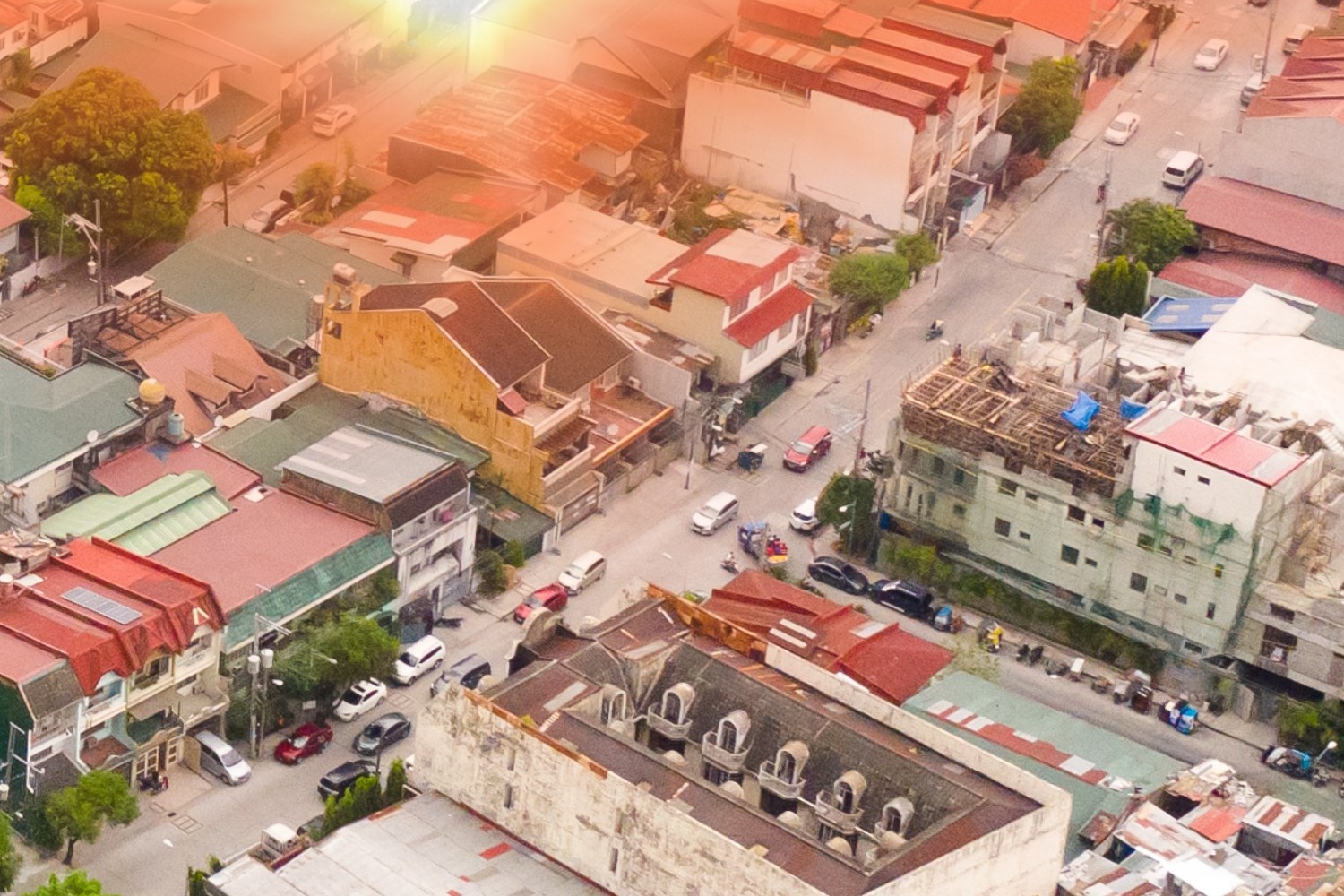
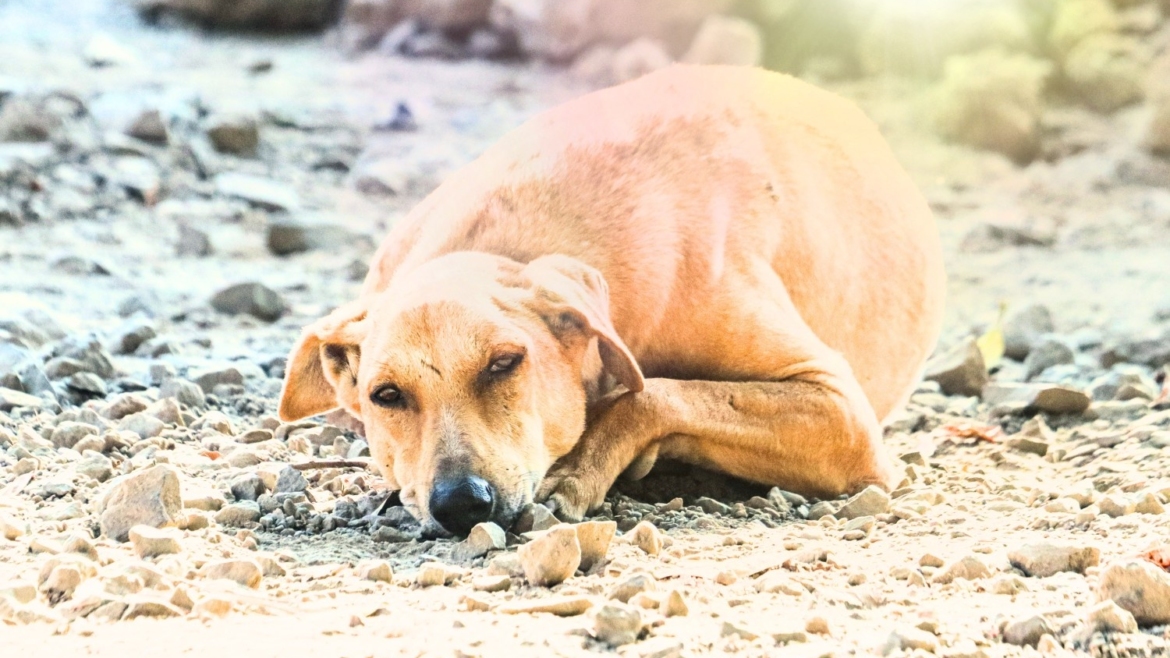
Heat radiating from Metro Manila’s sprawling concrete architecture creates an artificial climate, leaving the city significantly warmer than its natural environment suggests.
Scarce trees leave Metro Manila vulnerable to rising temperatures.
Metro Manila is hotter than normal, and it isn’t just the summer heat. It’s also due to the “urban heat island effect”, which stems from the lack of trees and the concentration of concrete buildings, houses, and roads.
A report from ScienceKonek found that out of Metro Manila’s over 630 square kilometers, there are very few areas with a rich tree population. As of 2024, most of the greenery is concentrated in the La Mesa Watershed in Quezon City. Other than this large forestry, there are only small spaces such as UP Diliman and Arroceros Park with tree-rich areas.
The study on which the report was based shared that tropical countries like the Philippines experience the greatest total forest loss due to the prevalence of deforestation. Tropical domains showed a significant trend in forest loss, which amounted to 2,101 square kilometers a year.
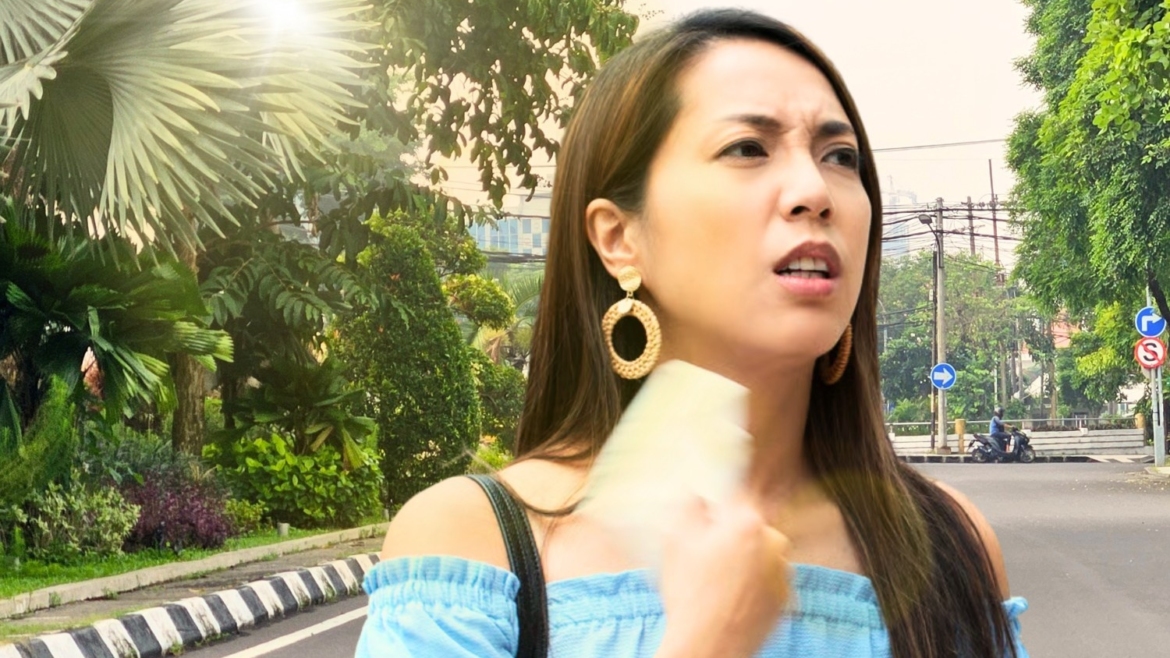
Beyond the data and numbers, Filipinos can actually feel the effects of the lack of trees in the city. One user shared that on their daily commute, they notice a cooling effect when passing by the tree-lined IPI area along C5, which quickly switches to hot when returning to concrete-heavy spots. Meanwhile, others emphasized the need for more initiatives to create green spaces in the city.
Stemming from the lack of trees and the concentration of concrete buildings, houses, and road, residents can feel the hell-like heat in Metro Manila.