A resurfaced 2024 study can help professionals in providing more culturally sensitive, trauma-informed care.
Trigger warning: This story deals with sexual abuse.
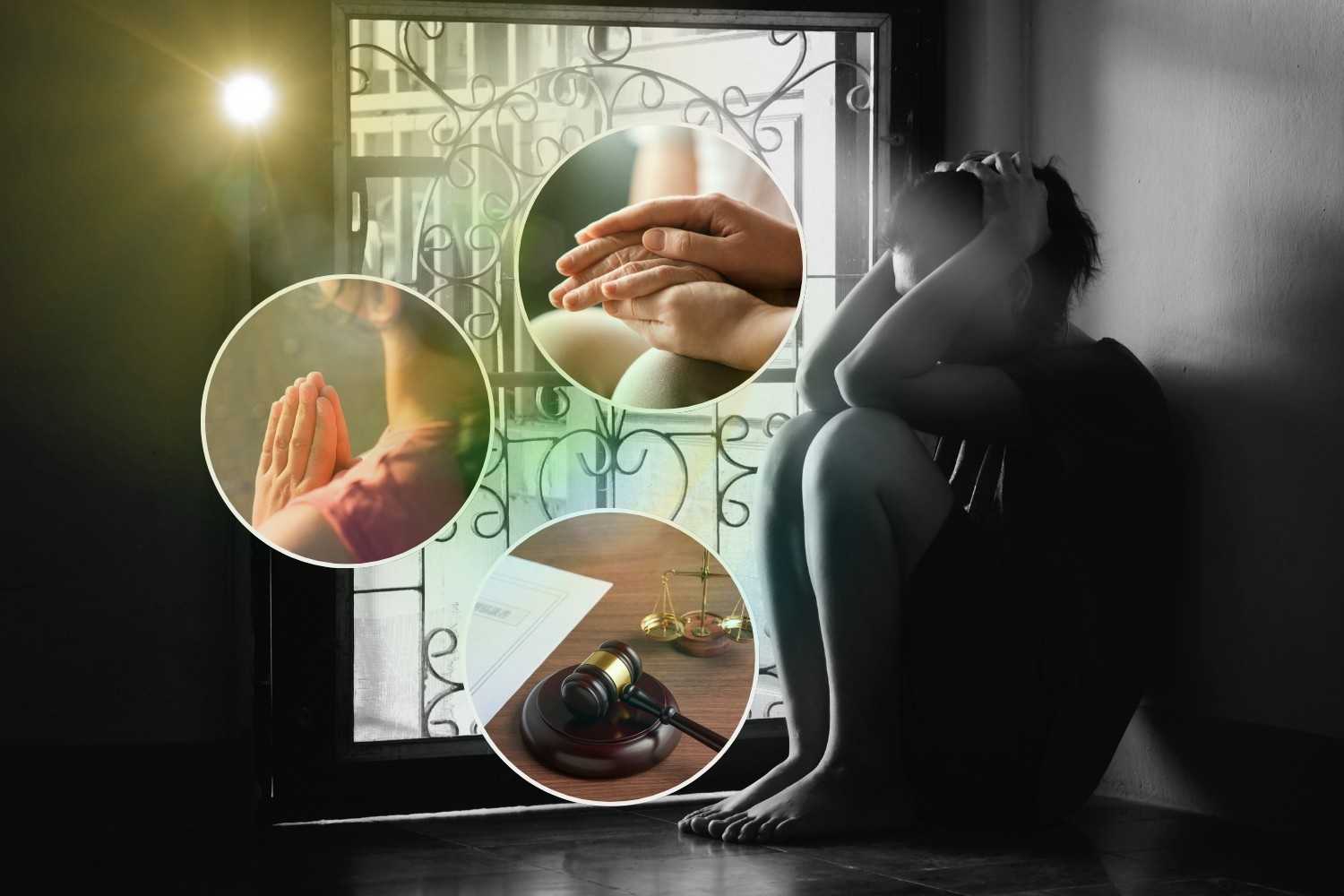
A resurfaced 2024 study finds that Filipino adolescent girls who survive sexual abuse feel a “death-like” loss, yet many show remarkable resilience—gradually healing over time, deepening their faith, and finding purpose in helping others.
Published in Indonesia’s Jurnal Keperawatan Padjadjaran, the research by Maria Lourdes Harabe (University of the Philippines Open University) and Laili Rayuwalhati (Universitas Padjajaran) draws from in-depth interviews with seven rape survivors, aged 12 to 19, now in a residential facility or protection center.
In most cases, the perperators were family members, including a father, uncles, and a step-grandfather. In one instance, an uncle’s friend, a priest, and even the mother were involved.
The violation of their bodies destroyed their sense of self. “I felt my world crumbling, hope had slowly slipped away,” one survivor said. “I lost my motivation to go to school. I would just be staring blankly into space.”
The abuse also intensified feelings of betrayal and grief, especially since it came from trusted family members.
Yet speaking out and holding abusers accountable remains difficult due to complex family dynamics and societal norms. “I thought of putting my uncle in jail, but I am worried for my two young cousins. No one will look after them,” a survivor said.
The study underscores that healing is neither quick nor linear. Many survivors say recovery is ongoing. “Unlike before, I don’t get so emotional anymore when I recall the experience. But I can say I’m only partially healed because the case is yet to be decided by the court,” a survivor said.
Support systems play a crucial role in making recovery more bearable: family members, friends, teachers, shelter staff, and counselors. Faith also offers a sense of hope and meaning. “Despite what happened, I realized God wants me to see that there’s goodness in the world, and me. It’s not the end of me,” a survivor said.
Many survivors also resist being defined by their trauma—striving to reclaim their sense of self despite persistent stigma and silence. “I would like to finish my studies and prove them wrong,” one said.
Ultimately, they desire to help other survivors: sharing their stories, offering support, and actively fighting against abuse. “I will be the one to comfort them this time,” a survivor said.
Researchers say the findings can help nurses and other professionals in providing more culturally sensitive, trauma-informed care. The study may also inform training and support programs. Over time, these efforts could lead to better health outcomes—and help empower survivors to move forward.
READ: