Food, housing, and transport costs showed signs of slowing, though rising core inflation suggests many households are still struggling.
Inflation eased to 6.8% in May from 7.2% in April as softer transport price increases and easing fuel costs helped cool overall price growth.
The latest figure from the Philippine Statistics Authority came in below the Bangko Sentral ng Pilipinas’ 7.1% to 7.9% forecast range, offering a brief cushion for households and businesses still dealing with elevated costs.
Even so, prices remain firmly higher than a year ago, when inflation stood at just 1.3%, with global oil volatility and commodity pressures continuing to filter into transport, food, and everyday goods.
For the first five months of the year, average inflation reached 4.5%, more than double the 1.9% recorded in the same period last year, keeping pressure on household budgets and operating costs across industries that depend heavily on logistics and imported inputs.
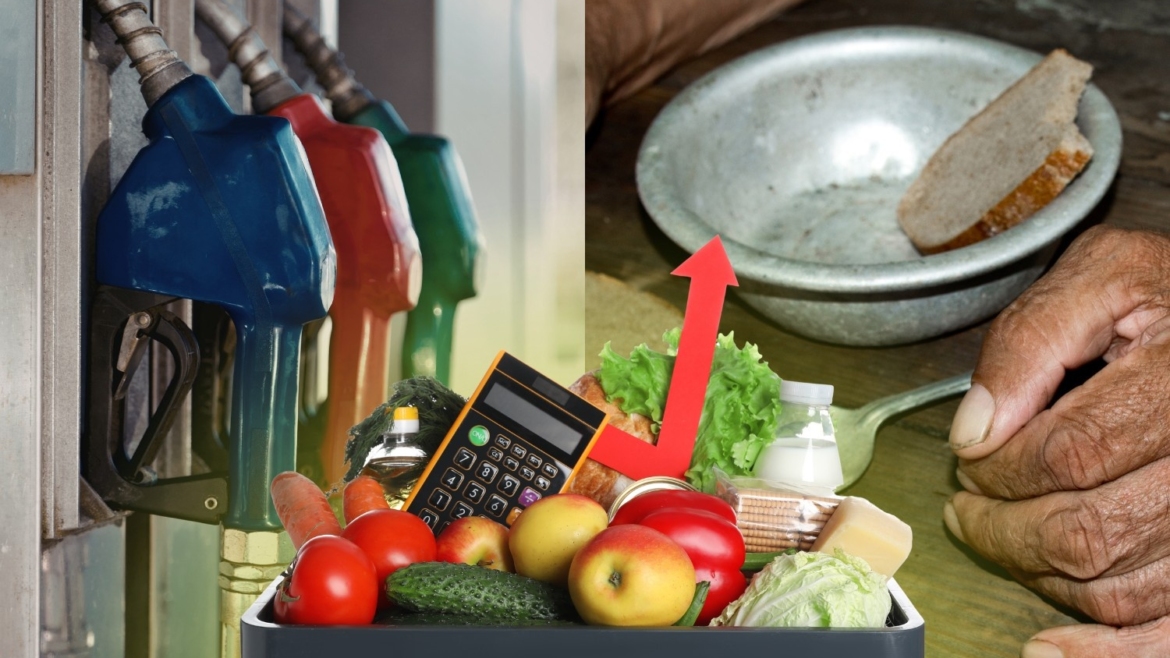
Several major spending categories posted slower price growth in May. Food and non-alcoholic beverages eased to 5.7% from 6% in April, while housing, utilities, and fuel slowed to 7.8% from 8.2%. Inflation also softened across regions, with the National Capital Region posting 5% inflation compared with 5.5% a month earlier, while areas outside NCR eased to 7.1% from 7.7%.
Lower-income households continued to face the heaviest burden despite a slight improvement. Inflation for the bottom 30% of income households slowed to 8.4% from 8.5% in April.
Targeted interventions
Despite the moderation in headline inflation, underlying price pressures remain present. Core inflation, which excludes volatile food and fuel items, rose to 4.1% from 3.9% in April, marking its highest level since December 2023.
The increase in core inflation suggests that price gains are still building across services and broader consumer spending even as fuel and certain food-related costs begin to ease.
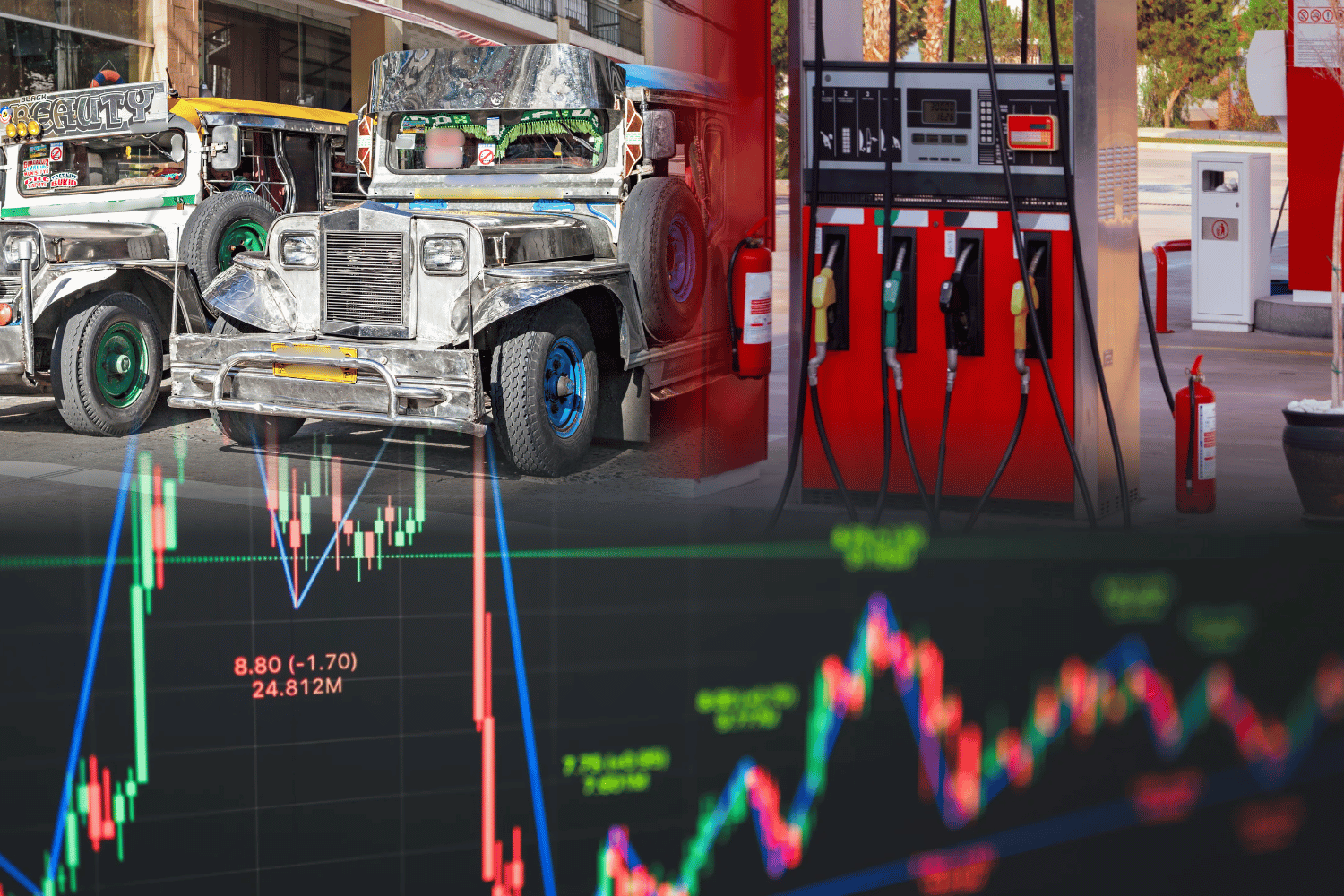
Government officials said targeted interventions helped soften the impact of elevated global oil prices, including fuel assistance for public utility vehicle drivers and measures to ensure adequate fuel supply. Authorities said these efforts helped temper transport inflation and limit the impact of rising fuel costs on commuters, workers, and businesses.
Cost pressures remain part of daily decision-making, especially for households managing tight budgets and businesses working through thinner margins. Prices are no longer rising at the same speed seen earlier in the year, but the slowdown has not been strong enough to meaningfully ease overall spending pressure or alter how consumers and companies plan ahead.
READ: