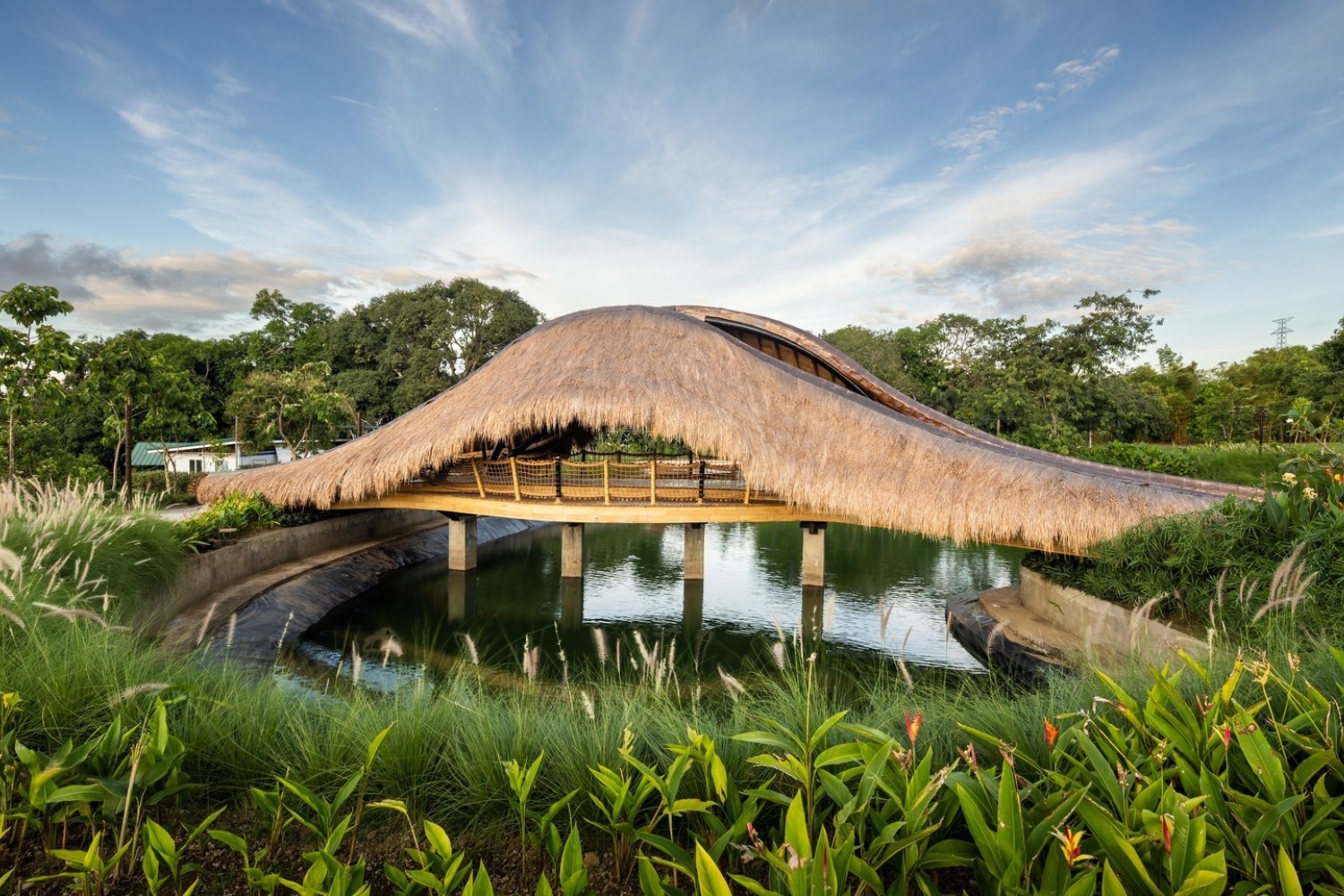
Kaway’an Eco Park reframes bamboo as durable, design-forward, and future-ready, earning a spot on TIME’s “World’s Greatest Places.”
Why is bamboo still treated like a second-class building material in a country that has it in abundance?
For Rosie Tsai, CEO of Citihomes Builder and Development Inc., the answer comes down to perception.
“Not everyone is into bamboo yet, and that’s something we need to change,” she told radar Lifestyle and a group of writers during a visit to Kaway’an Eco Park in General Trias, Cavite.
“We have to break the outdated notion that bamboo is merely ‘poor man’s lumber.’”
The three-hectare eco park was built to challenge exactly that. For Rosie, bamboo’s limitations are overstated, while its potential is underestimated.
“From treated bamboo poles, we now produce engineered bamboo. Boards and finishes are already used in high-end homes,” she said. “So the question is: if it’s good enough for interiors, why not for structural applications?”
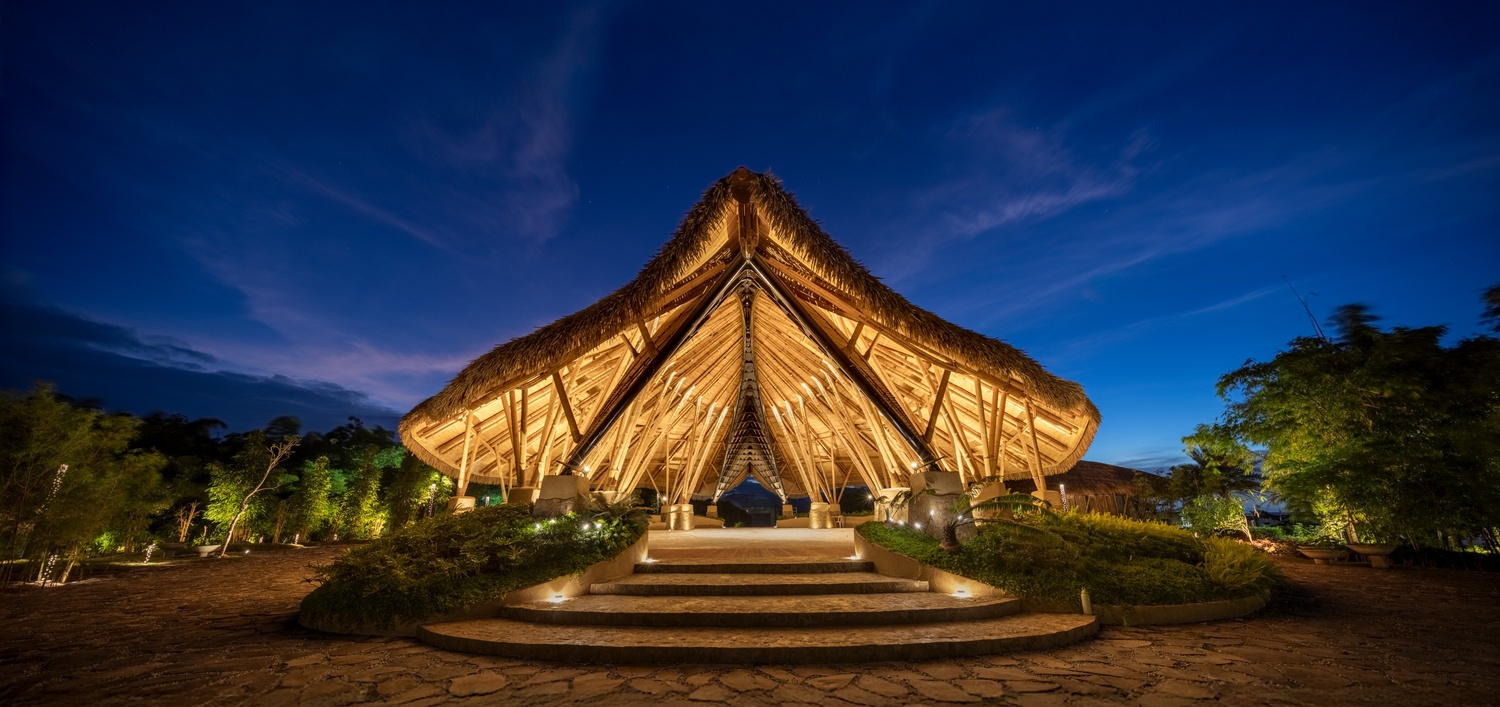
That idea is built into the park itself. Its pavilion stands as proof of what treated and engineered bamboo can do—shifting the conversation from alternative material to serious contender.
For Rosie, durability isn’t the issue. “It’s really about treatment and processing,” she explained. “Once you address that, bamboo becomes viable.”
Beyond design, the goal is recognition. “There are ongoing efforts to institutionalize bamboo as a recognized construction material,” she said, noting the need for standardization and testing. She hopes it will be included in the National Building Code within the next five to 10 years.
The environmental case is just as strong. Bamboo matures in three to five years, regenerates after harvest, and absorbs significant carbon dioxide.
“If we can align policy, innovation, and awareness,” Rosie added, “bamboo has the potential to become a key building material in the near future.”
For general manager Elizabeth Wang, sustainability goes beyond materials.
“Anything we can grow in the space that we have, we’re growing it,” she said. Across the park are greenhouses, hydroponic systems, and fruit-bearing trees—lettuce, dragon fruit, calamansi, avocado, and katmon.
It also serves as an open classroom. “A lot of kids don’t know where food comes from,” Elizabeth noted. “Here, they get to see it.”
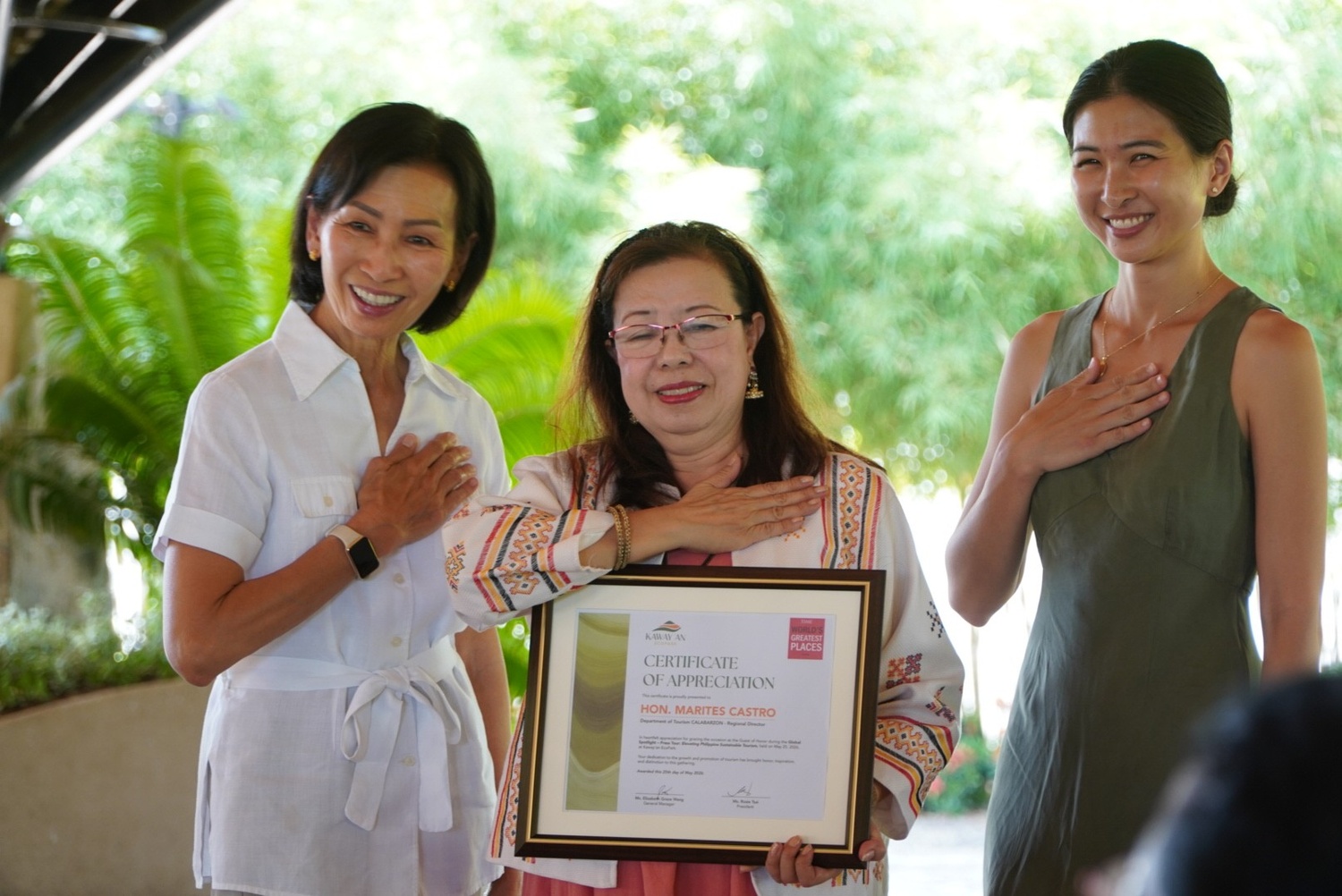
That approach helped land Kaway’an on TIME’s “World’s Greatest Places” for 2026, putting it alongside global destinations.
Elizabeth recalled submitting a short piece with no expectations. “No promises, I just want to promote the place,” she said.
It was selected, something Rosie noted was rare. “What made it even more remarkable was that no other writers or contributors from the Philippines submitted anything for that feature.”
At its core, the park is about experience. One standout is Marahuyo, a bridge named after an old Filipino word meaning “enchanted.”
“It really fits the feeling you get when you pass here,” Elizabeth said.
The structure reflects the park’s design philosophy—bamboo used in unconventional ways, reinforced discreetly with steel. “It’s not just design,” she added. “It’s an experience.”
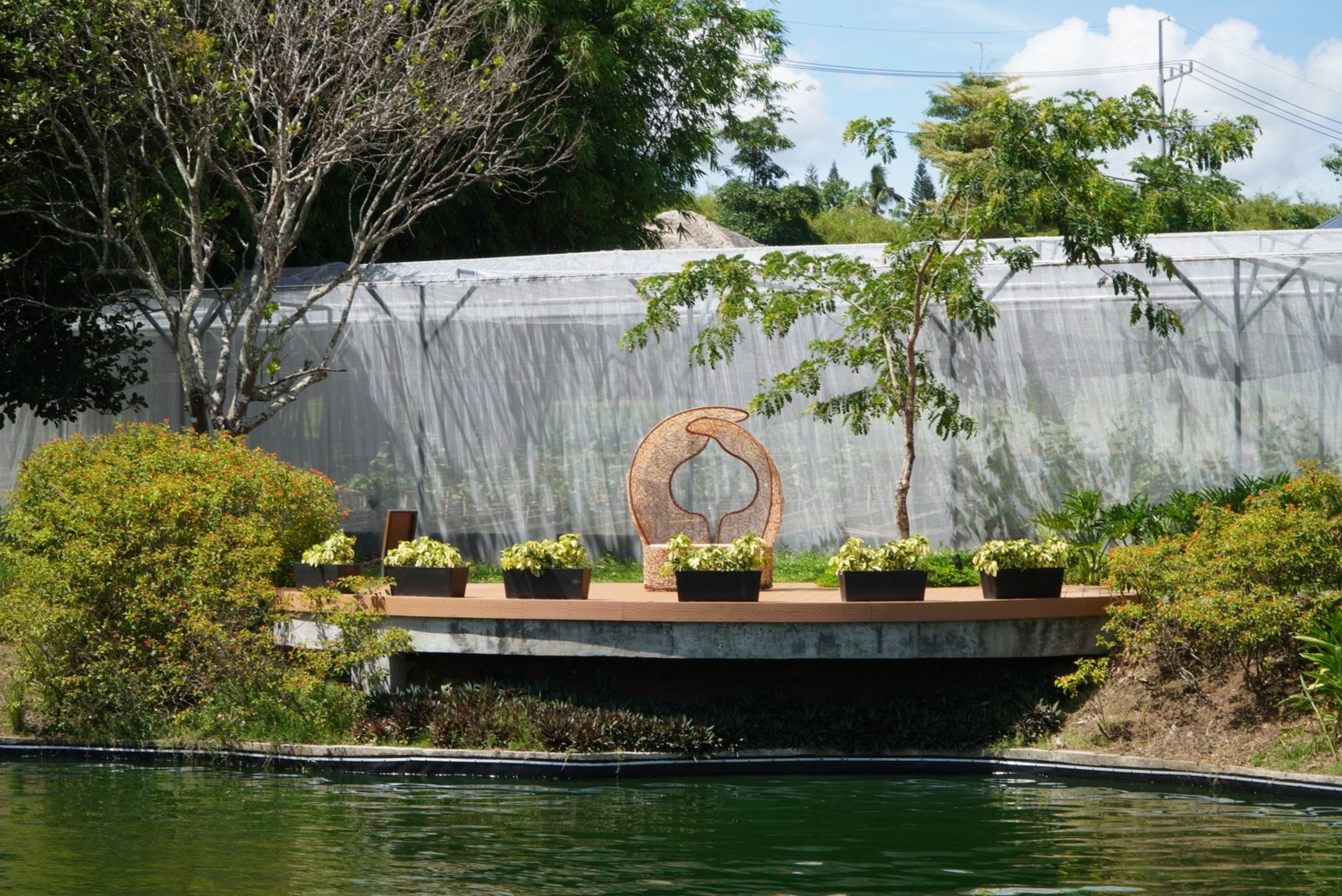
The park is also built to work with nature. “The lagoon serves two purposes: water catchment and recreation. You can go fishing here,” Elizabeth explained.
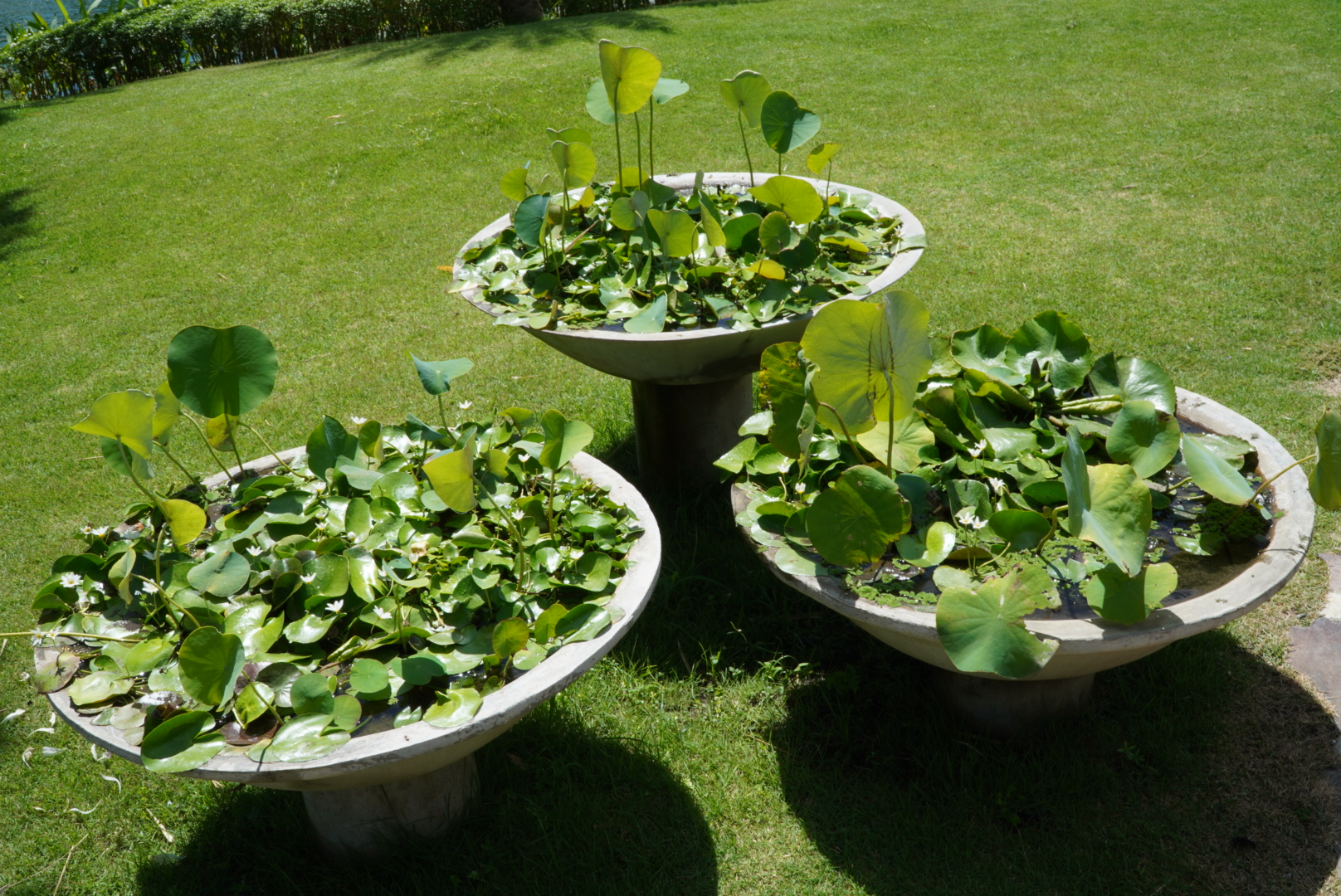
Even small details are intentional. Lotus-filled cauldrons (or kawa) serve as habitats for dragonflies, which help control mosquitoes. “During my wedding, no one got bitten,” she shared.
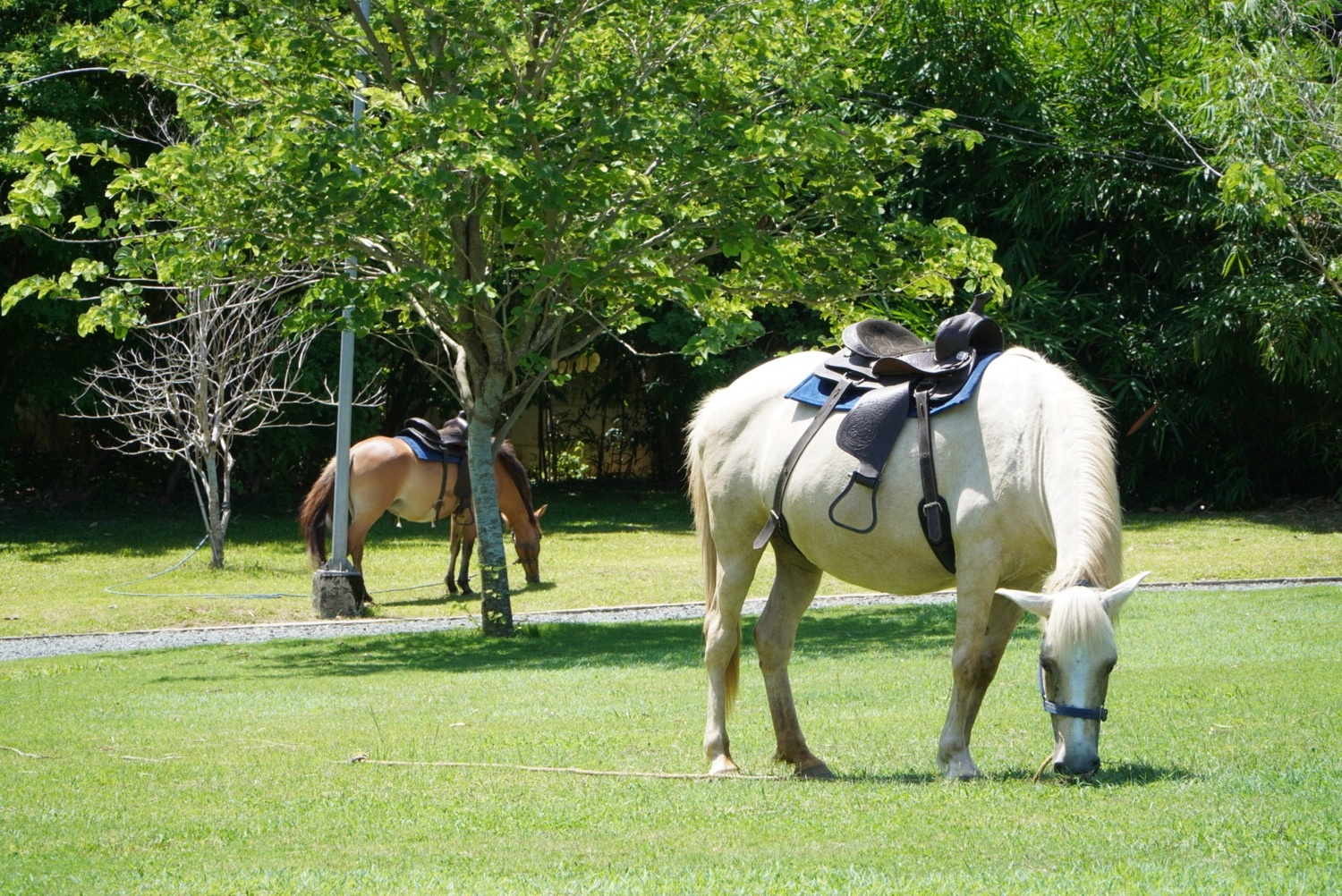
The park also carries quieter stories. Its six horses were rescued from Taal after the ashfall eruption. Today, they remain part of the landscape, a reminder of recovery and care.
Kaway’an Eco Park is more than a showcase for bamboo or sustainability. It’s a space where ideas become tangible.
And as Rosie puts it, the goal is simple: “Bamboo is ready. We just have to start seeing it differently.”