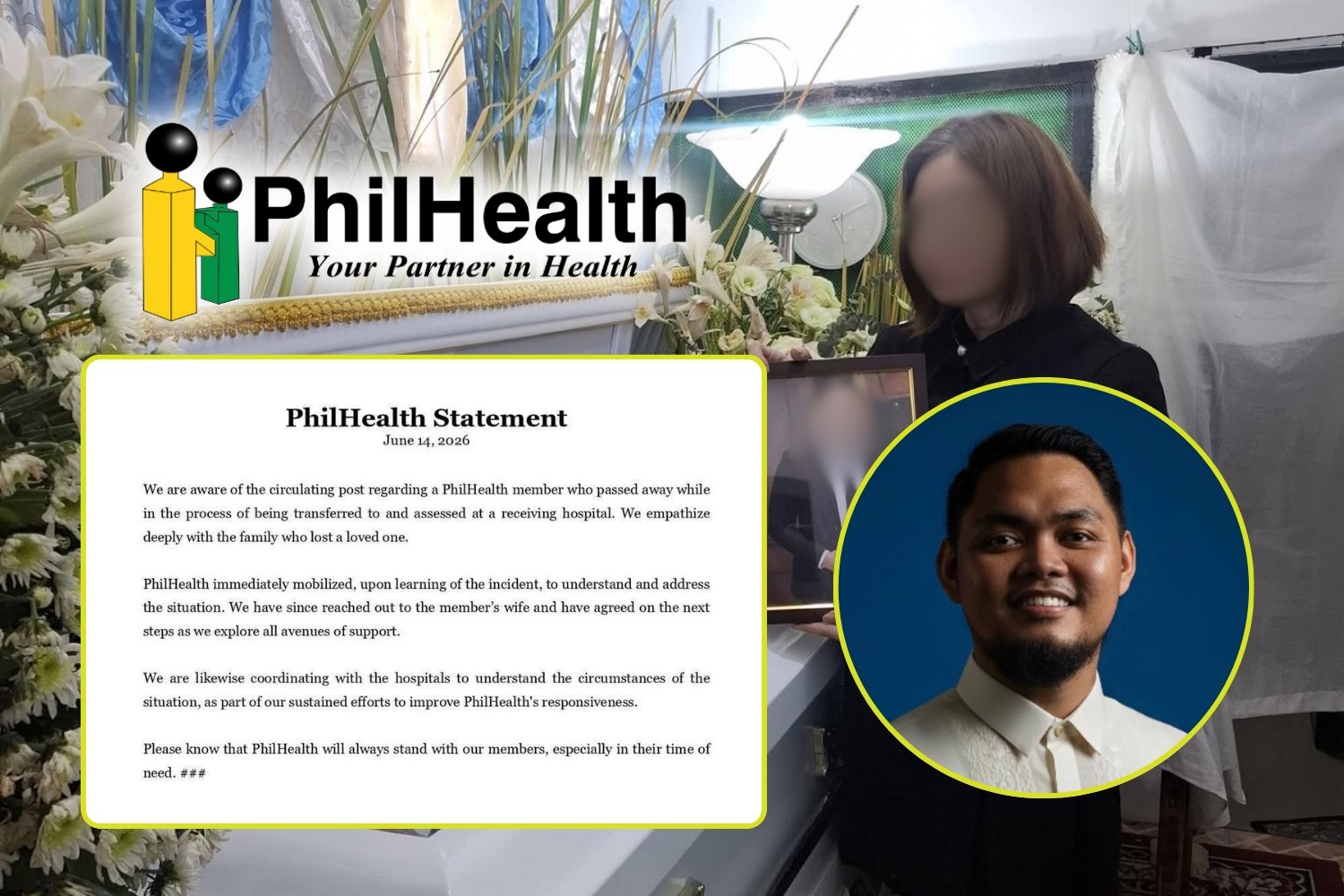
“This is the statement they release after the post went viral,” Namla wrote on Facebook. “Not when the family was begging at the billing counter. Not when the representative recited circulars to a grieving wife. Only when the public was watching.”
Namla also challenged PhilHealth’s expression of sympathy, pointing to the widow’s account that she was told her husband did not qualify for benefits because he had been confined for less than 24 hours.
“‘We empathize deeply.’ ‘We will always stand with our members.’ Easy words now,” he said. “Where was this empathy at 6:00 AM when she asked for the benefits her husband paid into for twenty-five years, and was told he died too fast to qualify?”
The lawyer argued that the issue goes beyond a single case and reflects a policy that can leave long-time contributors without assistance during medical emergencies.
“A man contributed for two and a half decades. The system found a 24-hour technicality to deny him,” Namla wrote. “Then issued a press release about responsiveness once it became a PR problem.”
“This is not compassion. This is damage control.”
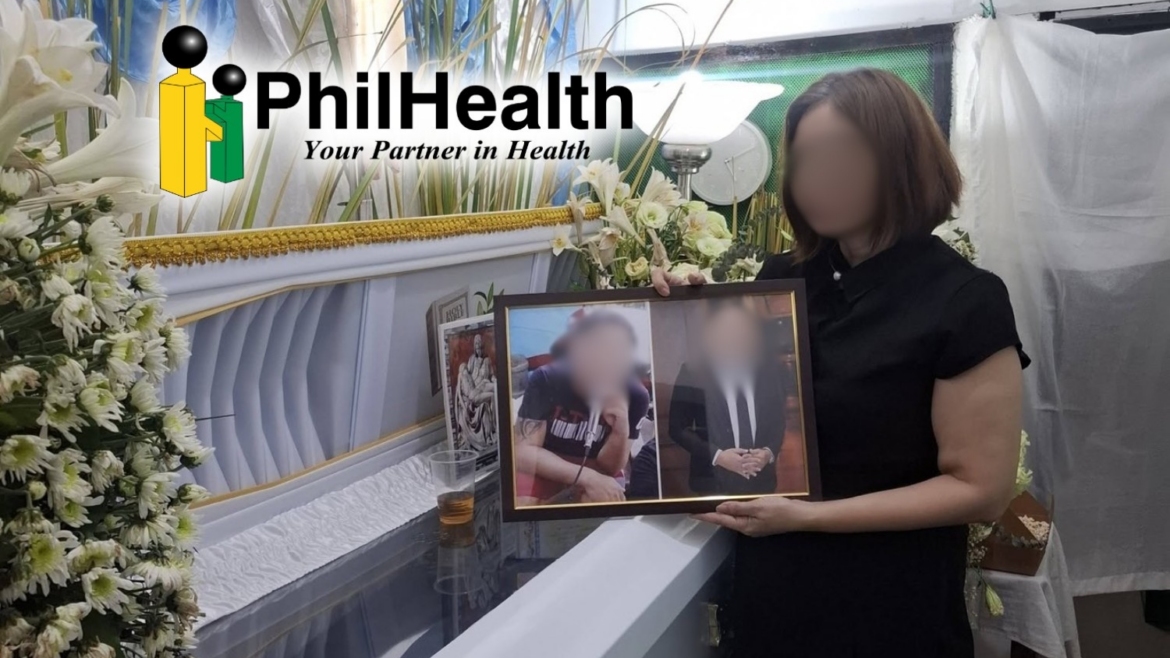
PhilHealth’s statement came in response to the viral post of Maria Lourdes Sulit, who questioned why her husband Marvin, a long-time contributor, was allegedly denied benefits after he died from a brain hematoma on June 4.
The case has sparked public debate over whether PhilHealth’s policies adequately protect members during life-and-death emergencies, particularly given that membership and contributions are mandatory under the Universal Health Care Law.
While PhilHealth said it is now exploring avenues of support and reviewing the circumstances of the case, critics argue that the controversy highlights the gap between the agency’s mandate and the experience of members seeking help during their most desperate moments.
READ: