An ancient script reduced to aesthetic?
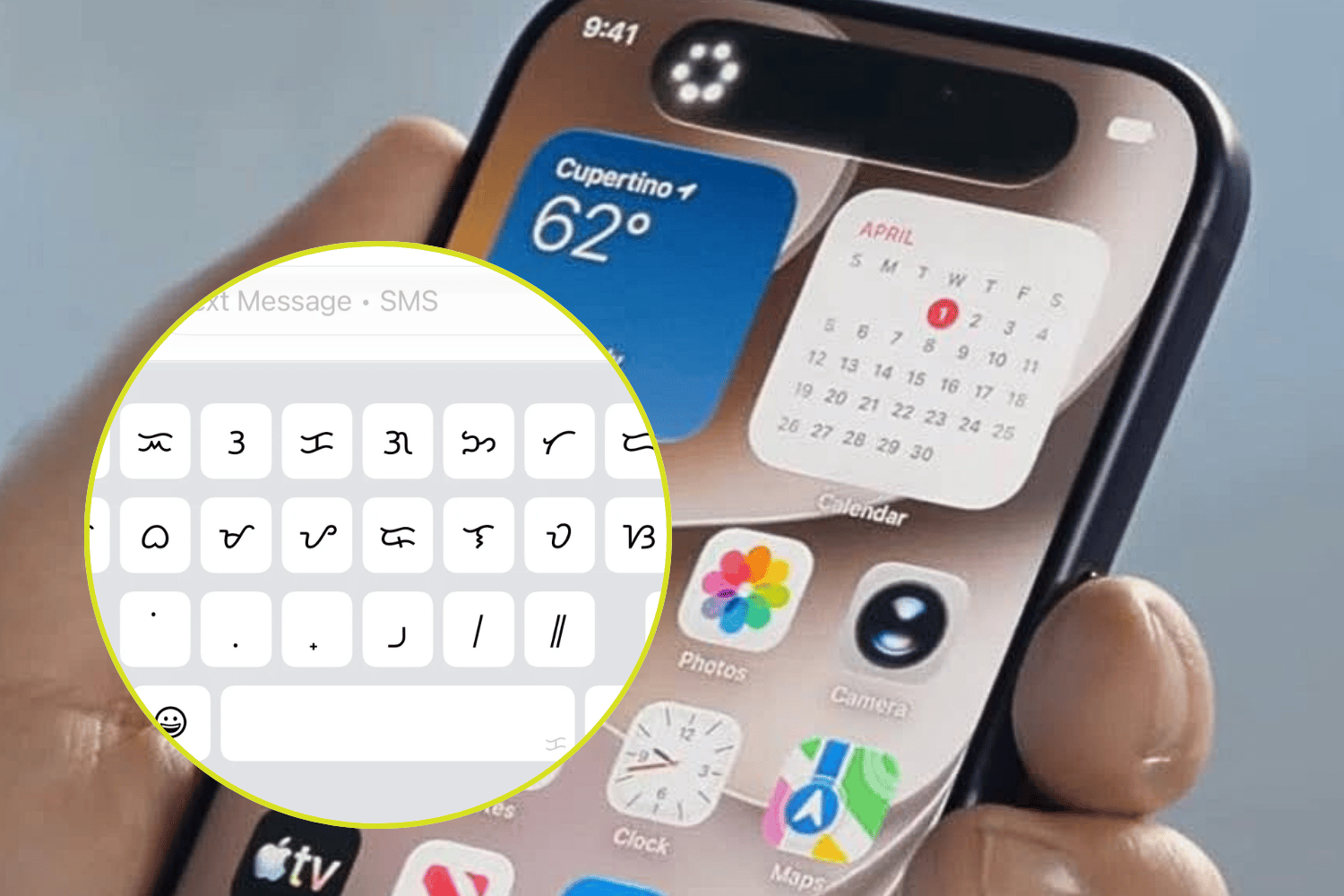
With iOS 27, the pre-colonial script is now built directly into the iPhone keyboard, letting Filipinos type in Baybayin without third-party apps. Which sounds like a cultural win, especially as the update heads toward a wider release this coming September.
But as the new feature gains attention, it also raises questions about its practical impact, as most Filipinos can’t actually read what they’re now able to type.
Baybayin has long been sidelined by the Latin alphabet. As of today, it survives more as an aesthetic than a language– appearing on tattoos, merchandise, and branding rather than in everyday conversation.
Apple’s update may be making it more visible, but visibility doesn’t equate to understanding.
Even if people try to use it, it is not exactly intuitive. Baybayin is an Abugida, which follows an entirely different system, meaning people who use it are forced to think in syllables rather than letters. For a generation raised in QWERTY, that is not just a feature, it is a learning curve most are not prepared to climb. So who is this really for?
Online reactions reflect the divide. Some celebrate the move as reclaiming Filipino identity, while others call it performative at best. Critics point out that Baybayin is rooted in Tagalog, that flags questions about the representation in a country with a variety of languages.
While others are more blunt about it. If Filipinos cannot read it, why push it?
Apple may have succeeded in putting Baybayin back on the screen— but not necessarily back into everyday life. Because until people can actually understand the script they’re typing, this “revival” risks feeling less like cultural progress and more like a well-designed illusion.
READ: