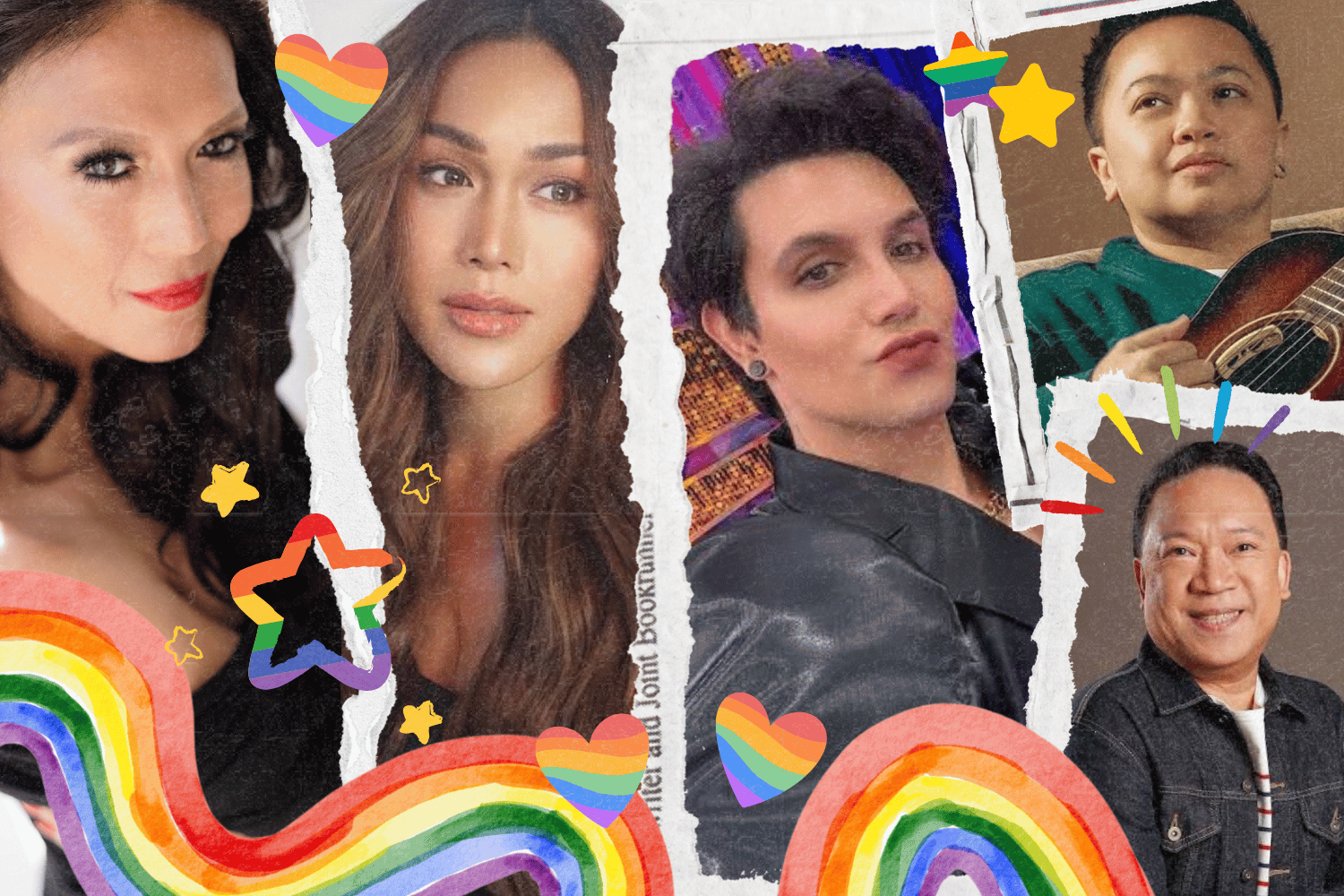
From Roderick Paulate to KaladKaren, these trailblazers—and their stories—helped reshape LGBTQIA+ visibility in Philippine entertainment.
For many Filipinos, growing up meant living between two worlds.
There was a world shaped by faith, tradition, and family values. Religious images decorated living rooms. Parents and grandparents passed down beliefs about love, marriage, and what a family should look like.
Then there was television. Every night, families gathered around a single screen. Children sat on the floor, parents watched while finishing chores, and grandparents occupied their favorite chairs. It was through sitcoms, variety shows, and teleseryes that many Filipinos encountered people and stories different from their own.
Long before Pride Month celebrations became common and before social media amplified LGBTQIA+ voices, Filipino audiences were already forming connections with LGBTQIA+ personalities and characters. They laughed with them, cried for them, quoted their lines, and welcomed them into their homes.
Without many people realizing it, Philippine entertainment became one of the country’s most powerful tools for building understanding.
Most recognizable LGBTQIA+ faces
For generations of viewers, one of the earliest and most recognizable faces of LGBTQIA+ representation was Roderick Paulate.
At a time when conversations about sexuality were often avoided, Paulate was already making audiences laugh through memorable roles that became part of Philippine pop culture. His success helped normalize LGBTQIA+ visibility in mainstream entertainment long before representation became a national conversation.
Then came Ice Seguerra. Many Filipinos first knew Ice as a child star. Over the years, audiences witnessed a personal journey of growth, self-discovery, and authenticity unfold in public. For countless viewers, Ice became one of the first public figures to help broaden conversations about identity and self-expression.
BB Gandanghari’s transition would later become one of the most talked-about moments in local showbiz. Whether people fully understood it or not, it encouraged discussions that many Filipino families had never openly had before.
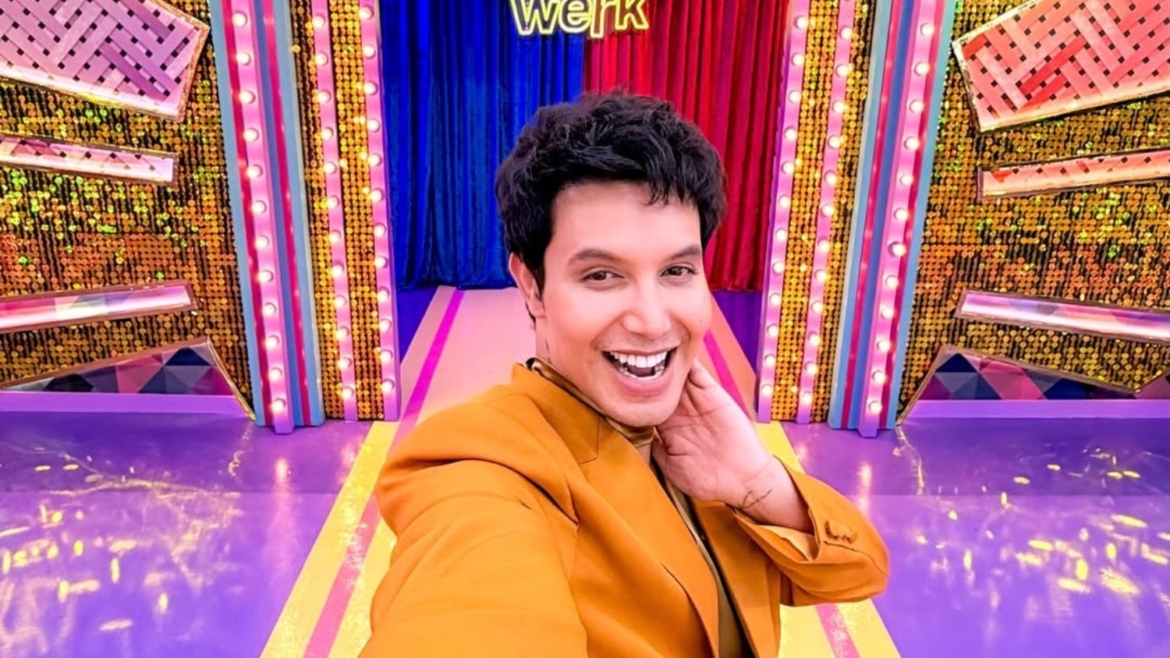
Paolo Ballesteros brought another dimension to representation. Through his internationally recognized makeup transformations, acting, and hosting career, he challenged conventional ideas about gender expression while showcasing creativity as an art form. Audiences came for the jaw-dropping transformations, but many stayed because of the confidence and authenticity behind them.
A newer generation found inspiration in KaladKaren. What started as a viral impersonation evolved into a successful career in mainstream media, proving that talent, wit, and authenticity can open doors once considered out of reach.
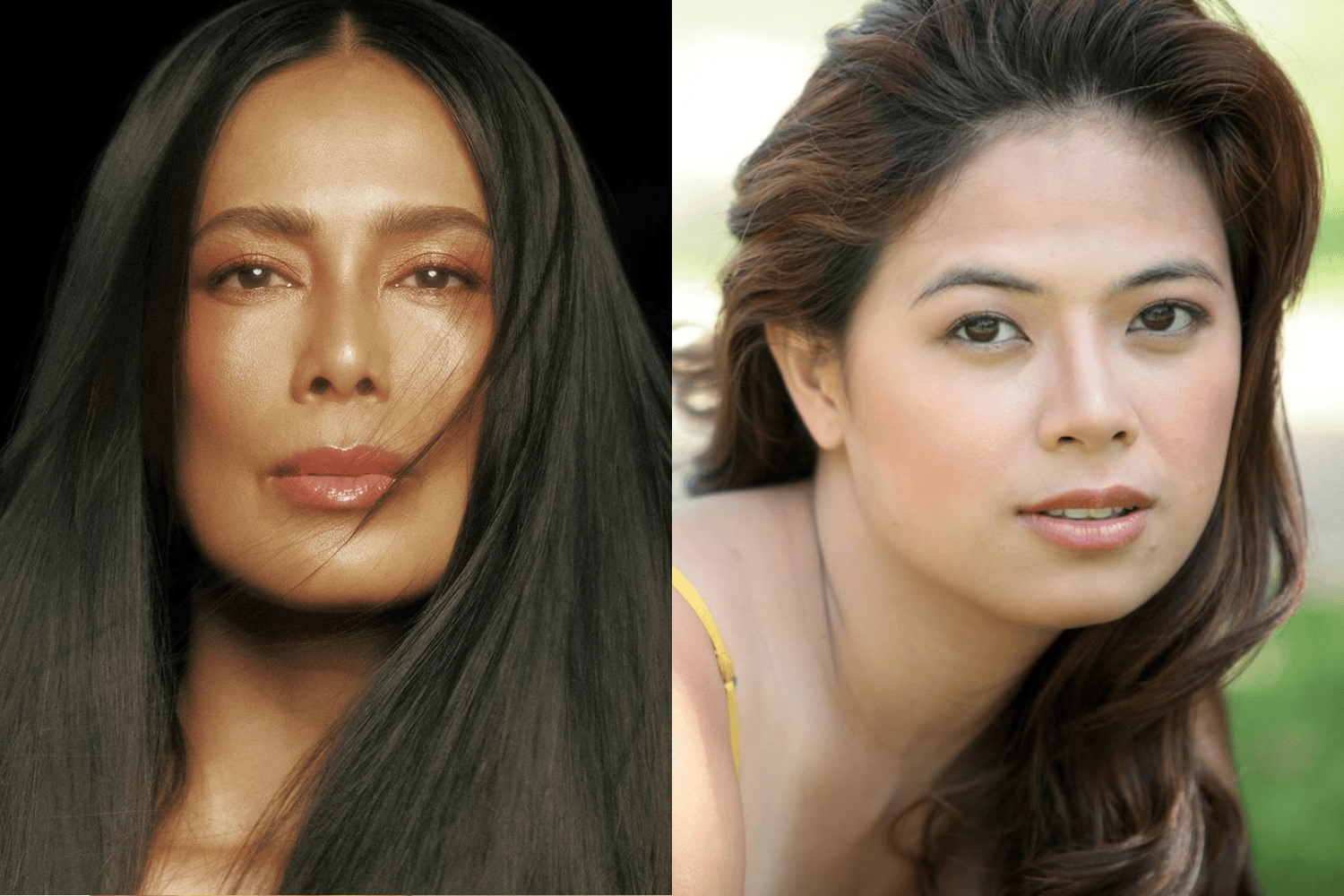
Alongside them were advocates and allies such as Angel Aquino and Liza Diño, who consistently lent their voices to stories and causes that promoted inclusion and representation.
What connected all of these personalities was simple: they became familiar. And familiarity often changes minds more effectively than any lecture ever could.
It’s difficult to judge someone you’ve admired for years. Difficult to fear someone who makes you laugh. Difficult to dismiss someone whose talent you’ve watched and celebrated.
Characters who changed hearts one episode at a time
While real-life personalities opened doors, fictional characters often walked through them. Some of the most memorable LGBTQIA+ figures in Philippine television history were not real people at all. They were characters who became part of viewers’ routines and, eventually, part of the country’s cultural memory.
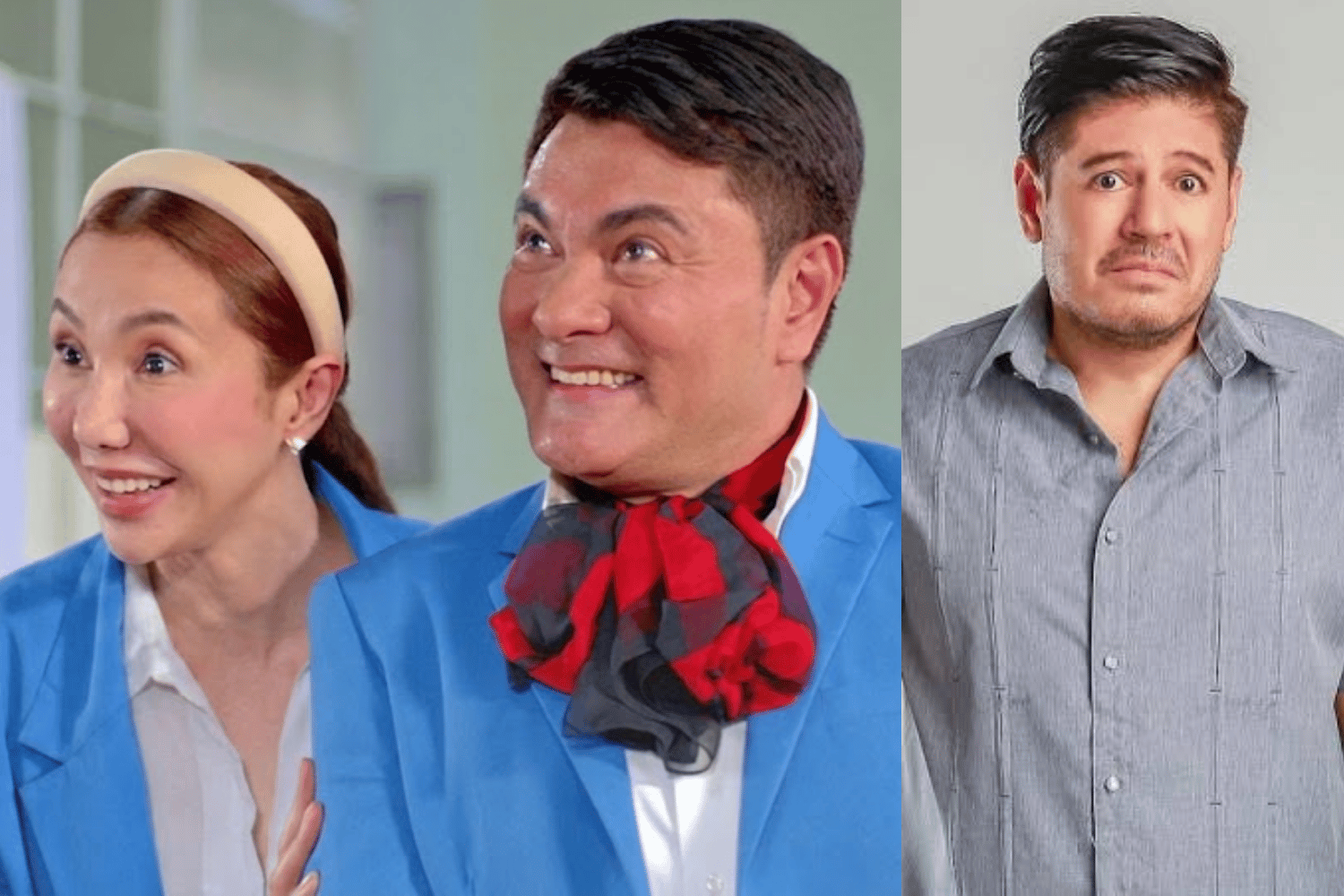
Take Vincent (Toni Lopena), Mara (Maureen Larrazabal), and Robert (Arthur Solinap) from “Pepito Manaloto.” For years, they delivered some of the sitcom’s funniest and most unforgettable moments.
Filipino families laughed at their antics, repeated their lines, and looked forward to their scenes every week. More importantly, audiences embraced them as characters first. They became familiar faces in the fictional neighborhood of Pepito—a subtle but powerful reminder that LGBTQIA+ individuals were already part of everyday Filipino life.
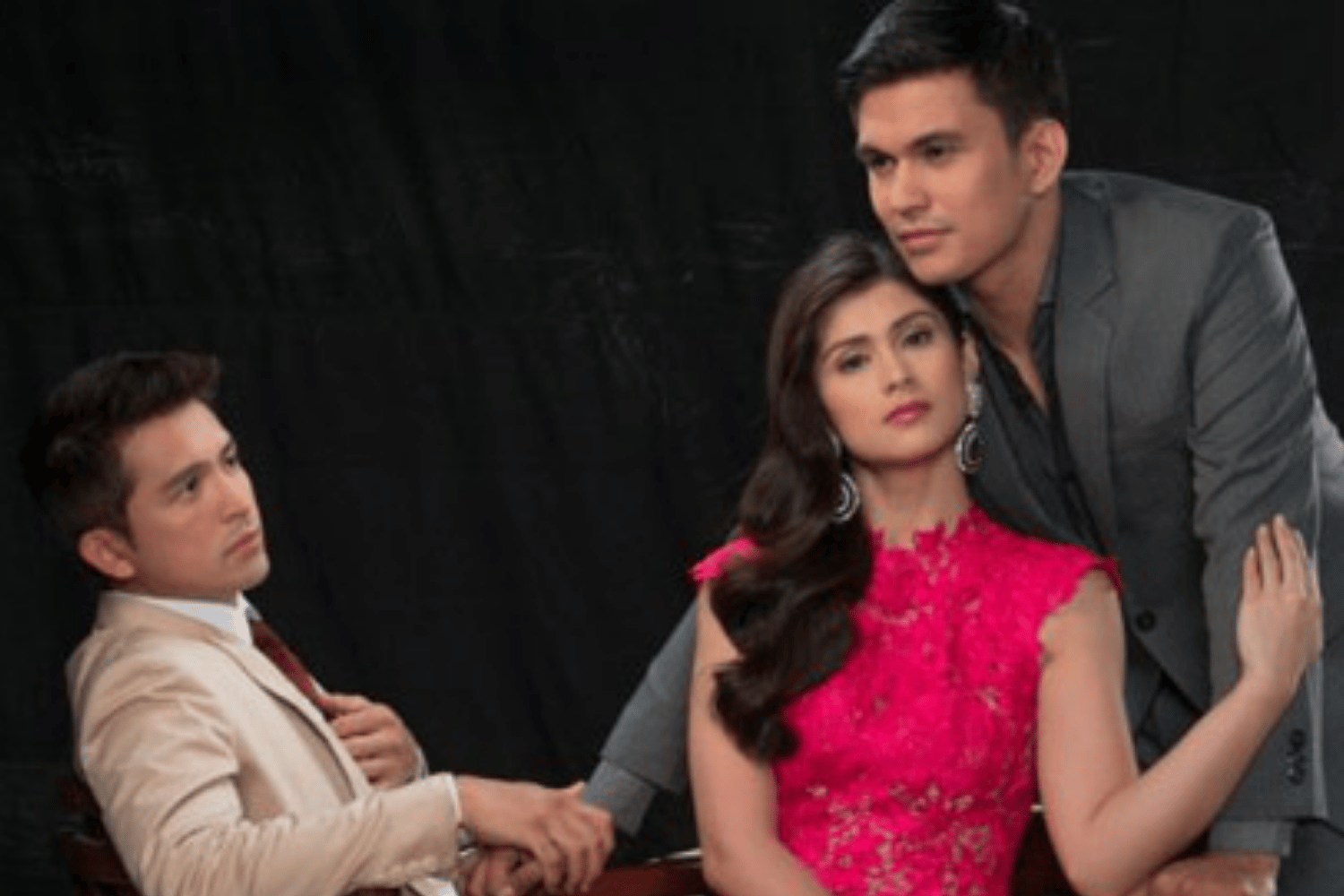
A major shift happened in 2013 when “My Husband’s Lover” introduced Vincent (Tom Rodriguez) and Eric (Dennis Trillo). The series broke new ground by placing a same-sex relationship at the center of a primetime drama.
For many Filipinos raised in conservative households, it was unlike anything they had seen before. Vincent and Eric were not comic sidekicks or secondary characters. They were the emotional core of the story.
Viewers watched them struggle with love, family expectations, heartbreak, and acceptance. The series asked audiences to do something Philippine television had rarely demanded before: empathize with a gay love story.
Many did. The show’s success proved that audiences were ready for stories that reflected a wider range of human experiences.

That evolution continued with “Destiny Rose” starring Ken Chan, which placed a transgender woman at the center of its narrative. The series offered viewers a chance to see a transgender character not as a stereotype but as a person with ambitions, challenges, and dreams. For many Filipinos, it became one of the first opportunities to better understand transgender experiences through mainstream television.
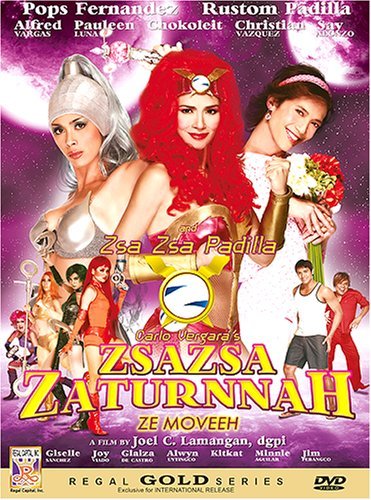
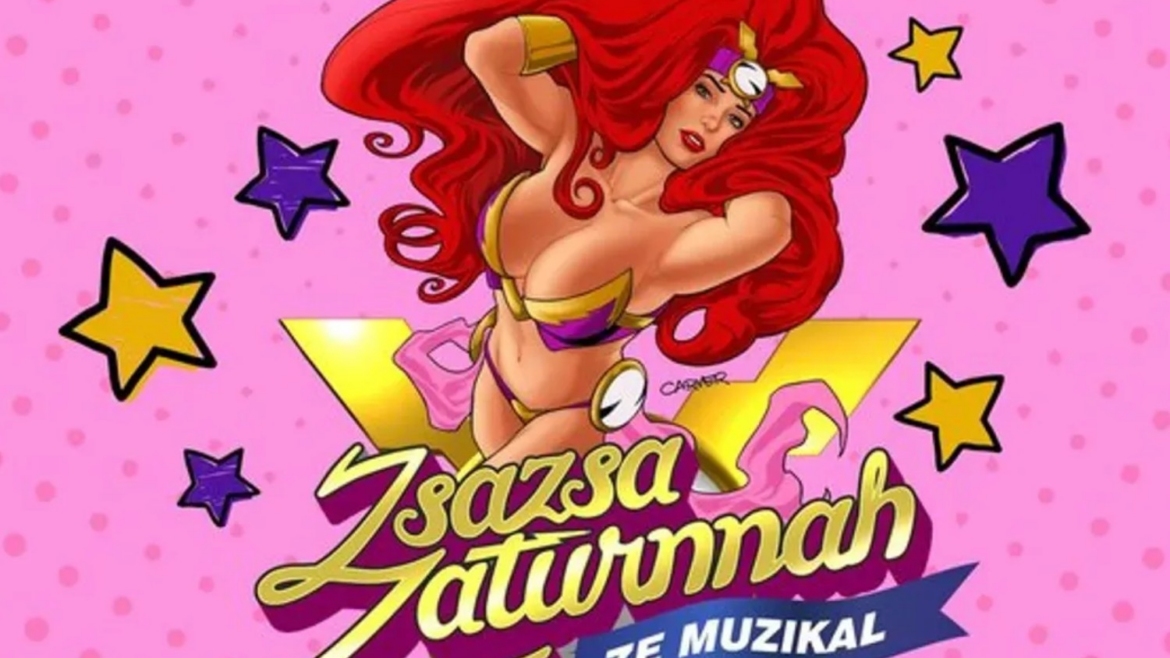
Then there was “Zsa Zsa Zaturnnah.” Equal parts superhero, comedy icon, and queer symbol, the character exploded into Philippine pop culture with humor, glamor, and confidence. Beneath the outrageous fun was a powerful message: LGBTQIA+ characters could be heroes, too.
Looking back, it’s remarkable how much these personalities and characters accomplished. They entered homes where conversations about sexuality were often uncomfortable. They appeared in living rooms shaped by deeply rooted traditions and beliefs.
They reached audiences who may never have attended a Pride event or encountered LGBTQIA+ advocacy firsthand. Yet through stories, humor, talent, and humanity, they helped build something far more powerful than awareness. They built connections. A new perspective.
Years later, viewers may not remember every episode or every punchline. But they remember how these figures made them feel. They remember laughing with Mara, Vincent, and Robert. Crying for Vincent and Eric. Rooting for Destiny Rose. Being amazed by Paolo Ballesteros. Growing up alongside Ice Seguerra.
Beyond the names, the labels, and the headlines, these personalities and characters helped generations of Filipinos see LGBTQIA+ stories not as something foreign or distant, but as something deeply human.
And perhaps that is their greatest legacy. They didn’t just change television. They changed how Filipinos see Pride.