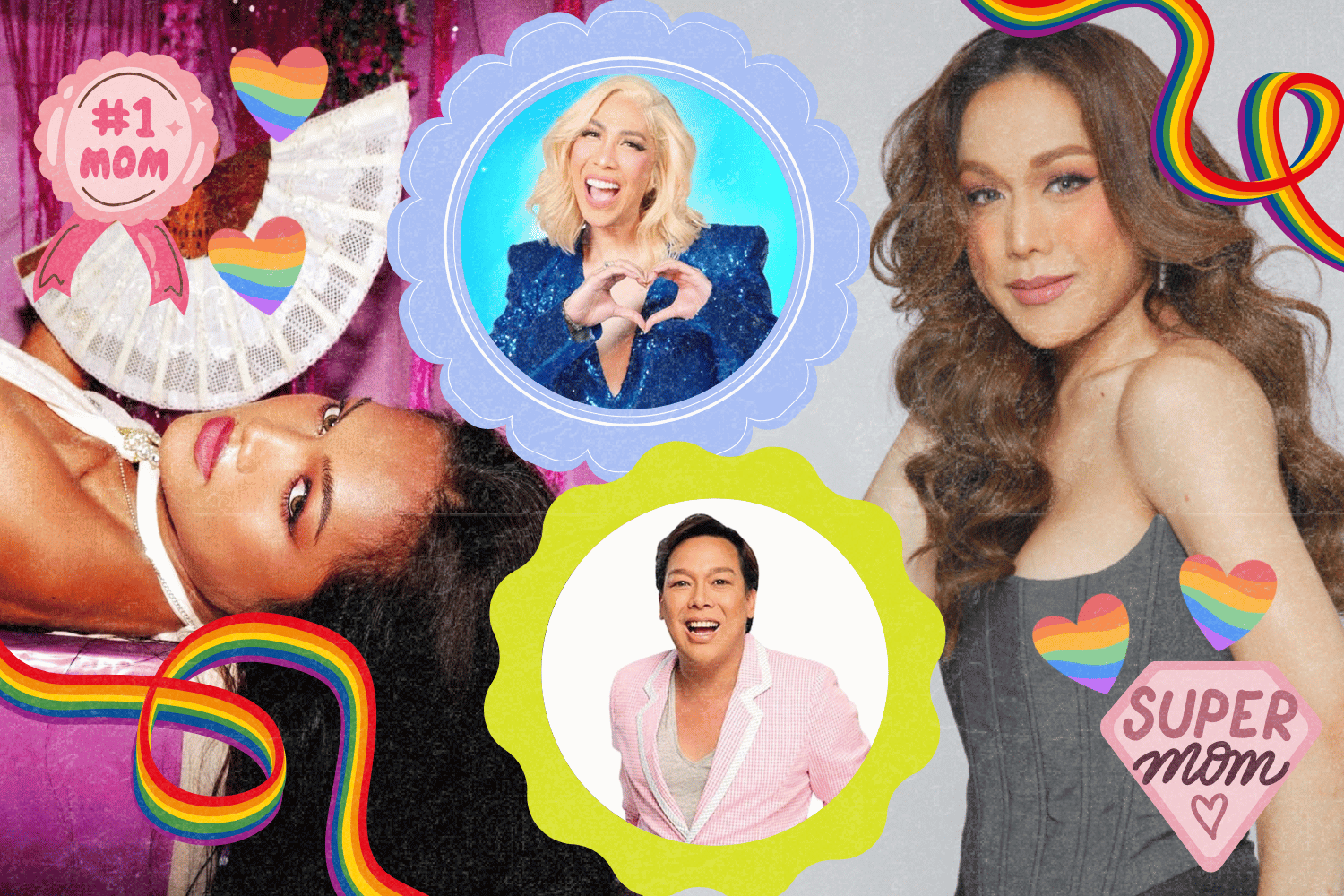
Chosen family, queer icons, and the powerful “Mama Mama” figures shaping LGBTQIA+ Filipinos across generations.
Every Filipino queer person has, at one point in their life, called someone “Mama Mama.”
Sometimes it is their biological mother. Sometimes it is an older gay friend who taught them how to survive. Sometimes it is a drag queen who welcomed them into a community, a television personality who unknowingly became a comfort figure, or a celebrity who proved that queer people deserve to take up space. In the LGBTQIA+ community, “Mama” is more than a playful title—it is one earned through compassion, guidance, and unwavering acceptance.
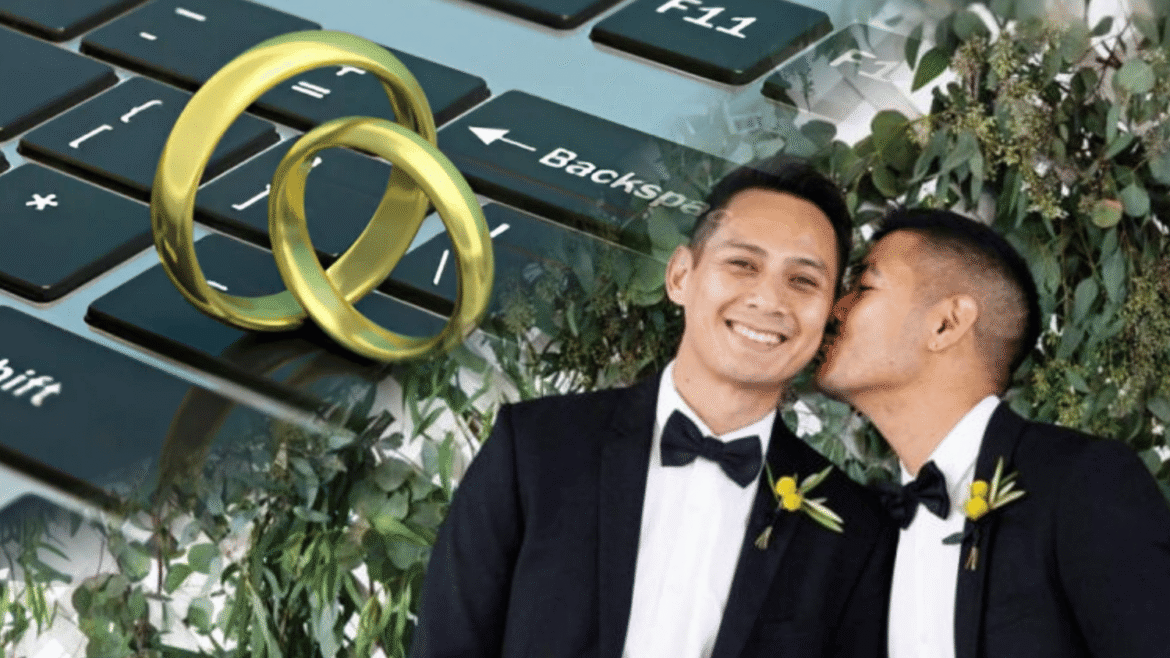
For many queer Filipinos, especially those who have experienced rejection, a Mama becomes proof that family is not only inherited. It can also be chosen.
The Mama Mama beyond the bloodline
The ideal image of a mother is someone who protects, nurtures, and believes in her child long before the rest of the world does. Many LGBTQIA+ Filipinos are fortunate enough to experience this from their biological mothers, who become their fiercest advocates despite prejudice. Yet for countless others, acceptance begins outside the home.
This is where chosen families become essential. Within queer communities, older LGBTQIA+ individuals step into maternal roles—not because they are related by blood, but because they understand what it means to survive. They become mentors, confidants, and protectors to younger queer people searching for a place where they can exist without fear.
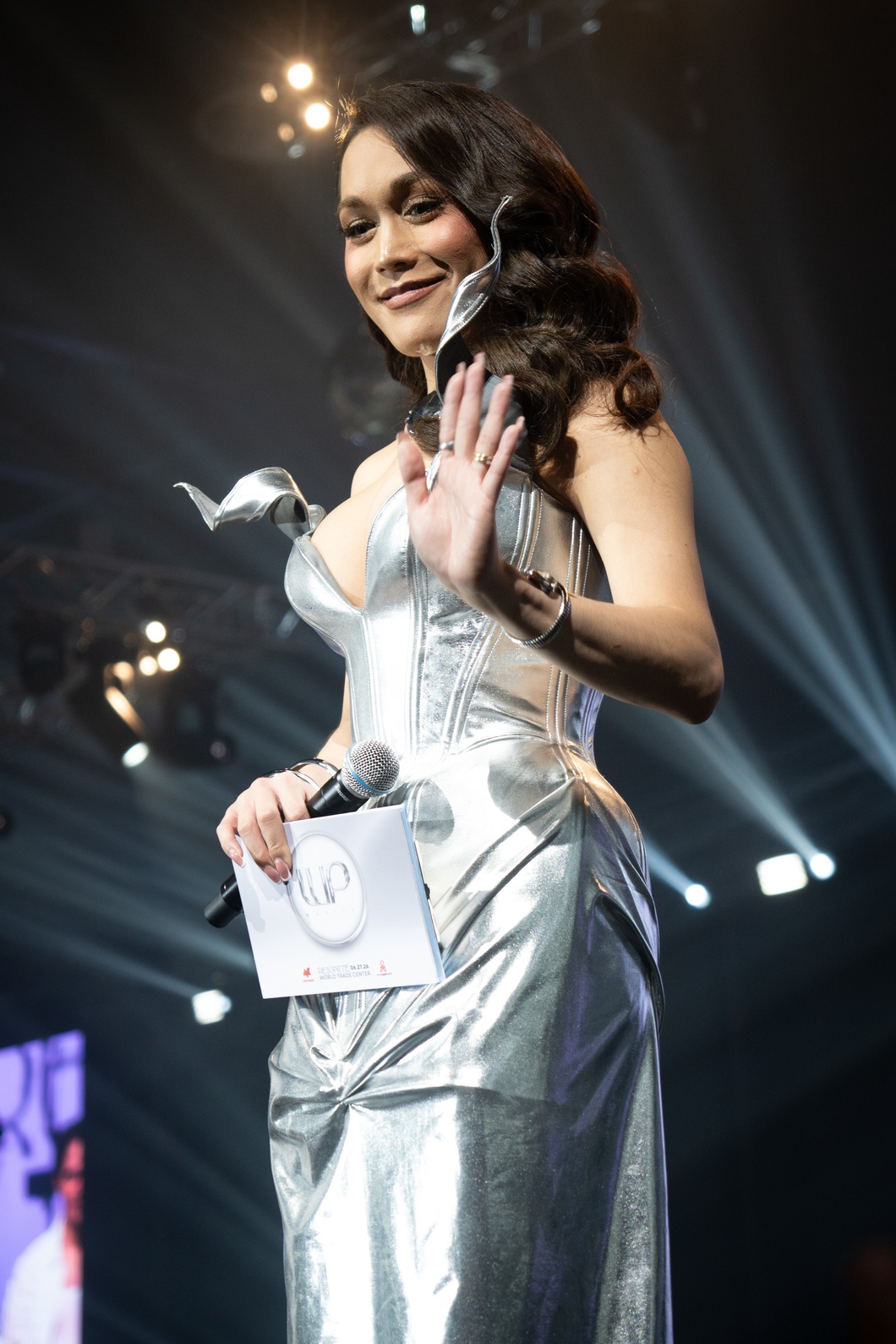
Media personality KaladKaren perfectly captures this bond, “Chosen family are important in the LGBTQIA+ community. Ang mga mama-mama natin ang tunay na tumatanggap sa’tin kahit hindi natin sila kadugo.”
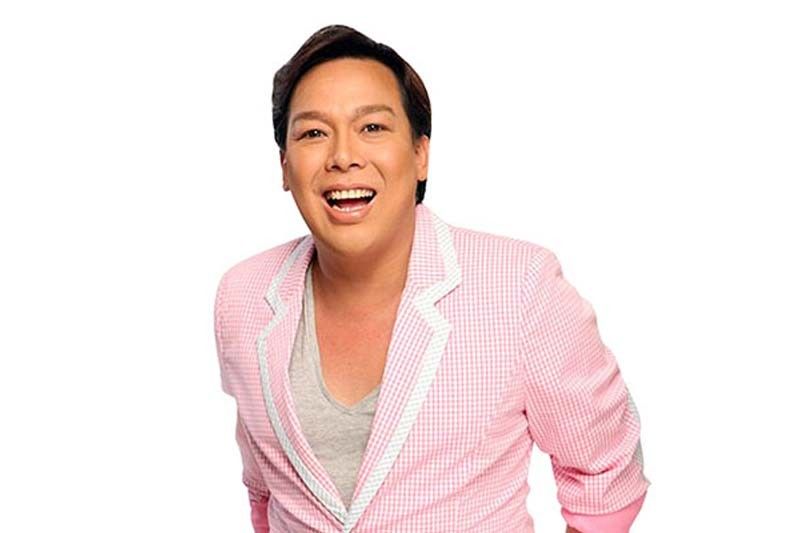
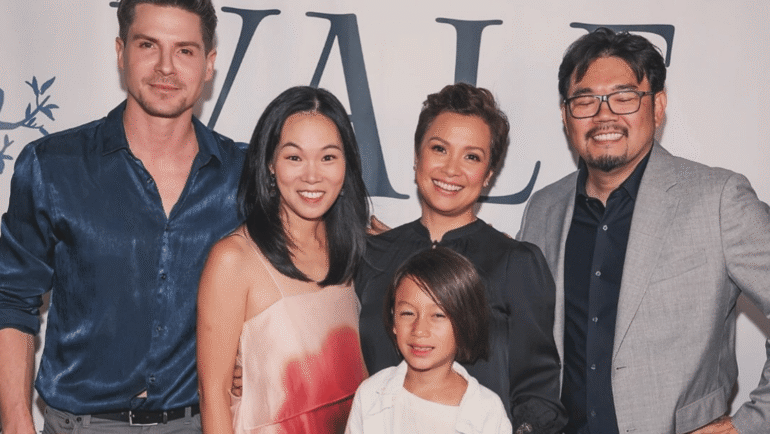
The same sentiment is echoed by actor, comedian, theater mentor, and LGBTQIA+ advocate John “Mama Sweet” Lapus, whose influence has earned him the affectionate title of one of the community’s beloved “Mamas.” For Mama Sweet, being a Mama extends beyond offering comfort—it means actively creating safer and more inclusive spaces for others. As he puts it, “Being an ally is also having a love that must vote, speak, build, protect, defend, include, hire, listen, learn, and sometimes step back so others can step forward.”
His words remind us that love without action is incomplete, and that every Mama carries the responsibility not only to nurture but also to advocate.
These relationships are built on empathy rather than obligation. They remind queer people that love is not defined by biology, but by the people who choose to stay, guide, and protect them.
The Mama Mama who raised a generation
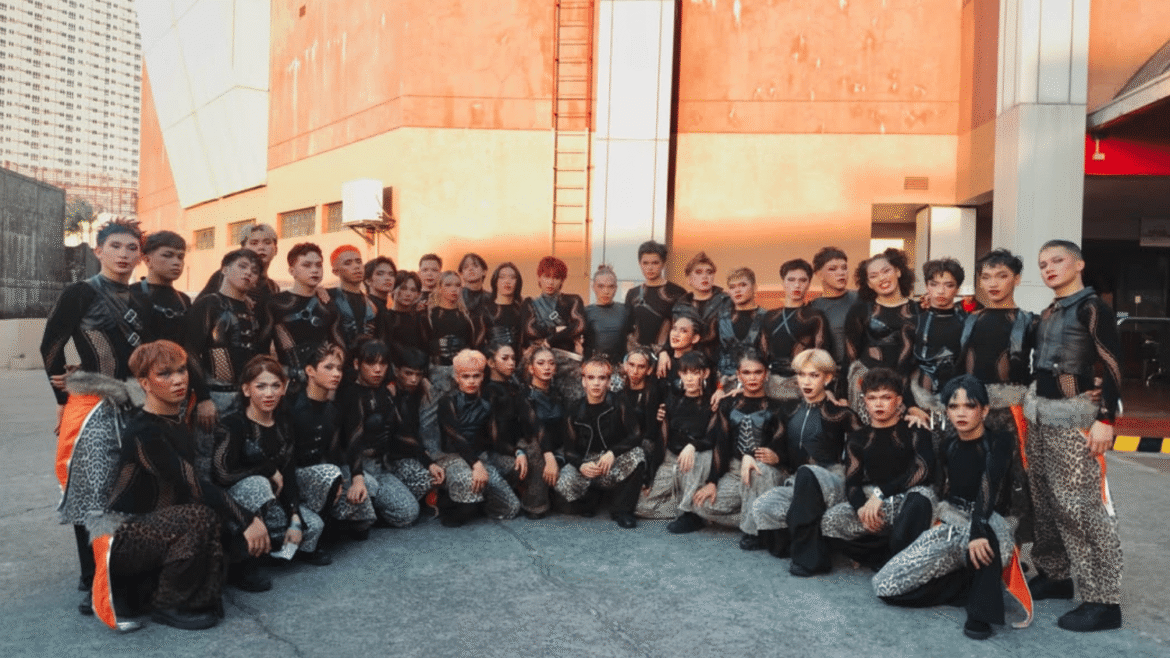
Not every Mama realizes the role she plays. Long before LGBTQIA+ representation became common in Philippine media, queer Filipinos found pieces of themselves in the camp, spectacle, and unapologetic joy of popular culture. The SexBomb Girls’ energetic performances, the outrageous humor of chinese garter, and countless television personalities became unlikely companions to a generation quietly discovering their identities.
These entertainers did not necessarily set out to create queer icons, yet they helped build spaces where flamboyance, confidence, and self-expression could flourish. For the “sangkabaklaan,” those afternoons spent dancing in front of the television became early lessons that there was beauty in being loud, expressive, and unapologetically yourself.
Community, after all, is built not only through activism but also through shared joy.
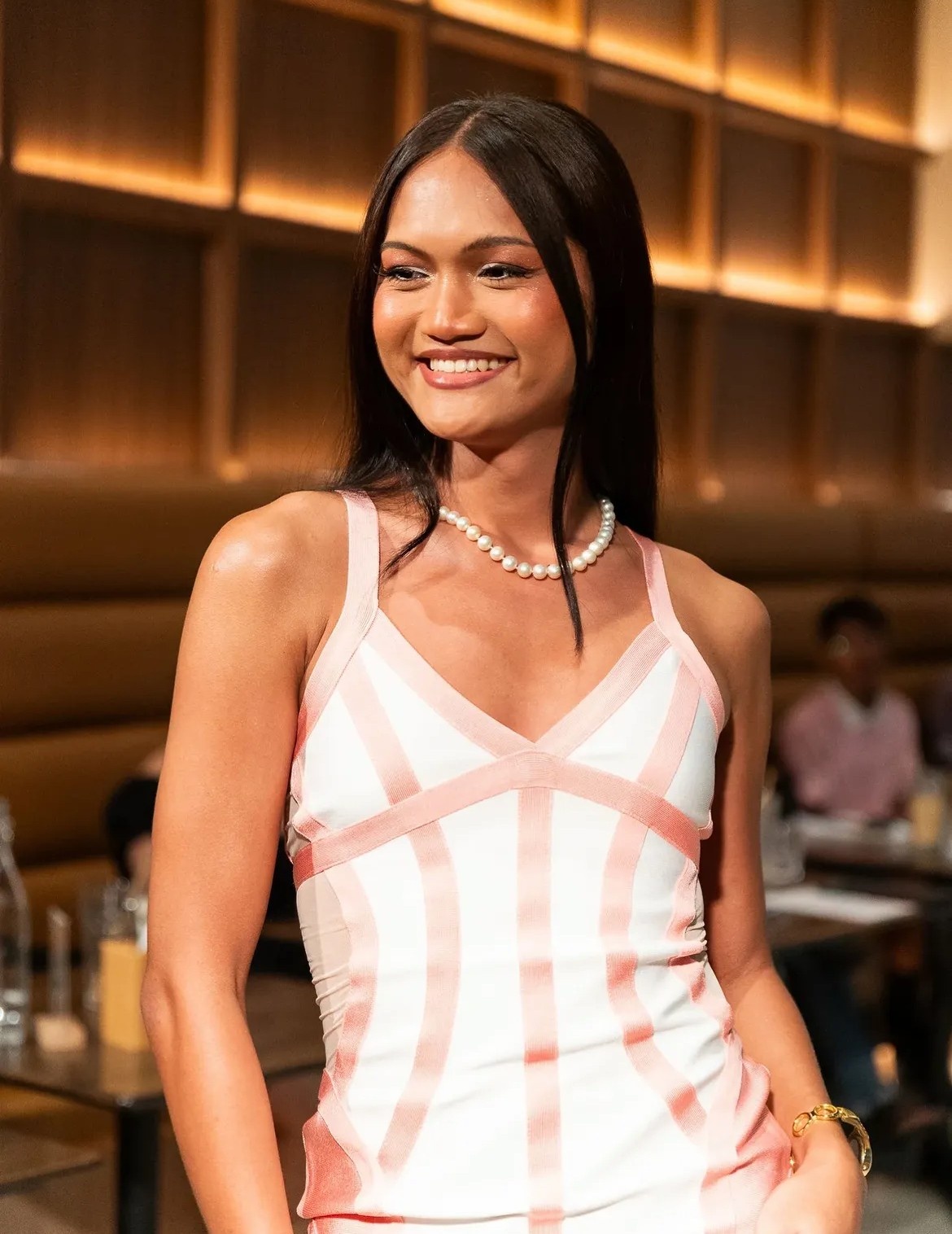
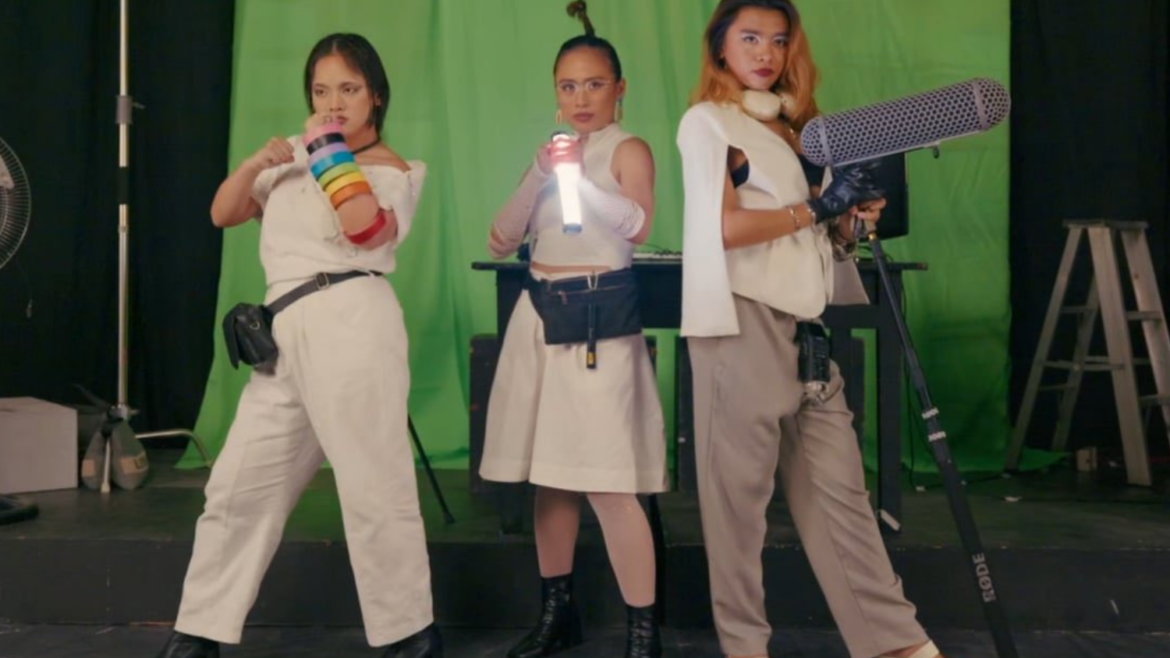
That same message echoes on stage today. Actress Magandang Isla, star of the UP Repertory Company’s recent Short Shorts 2 play “Pillar Pilapill,” reminds LGBTQIA+ individuals that they are never truly alone, “Wag kayong matakot kasi may pamilya kayo, may komyunidad na tatanggap sa inyo.”
Those words reflect what generations of queer Filipinos have learned through their Mamas—that even when one door closes, another family is ready to welcome them with open arms.
When Mama Mama becomes a legacy
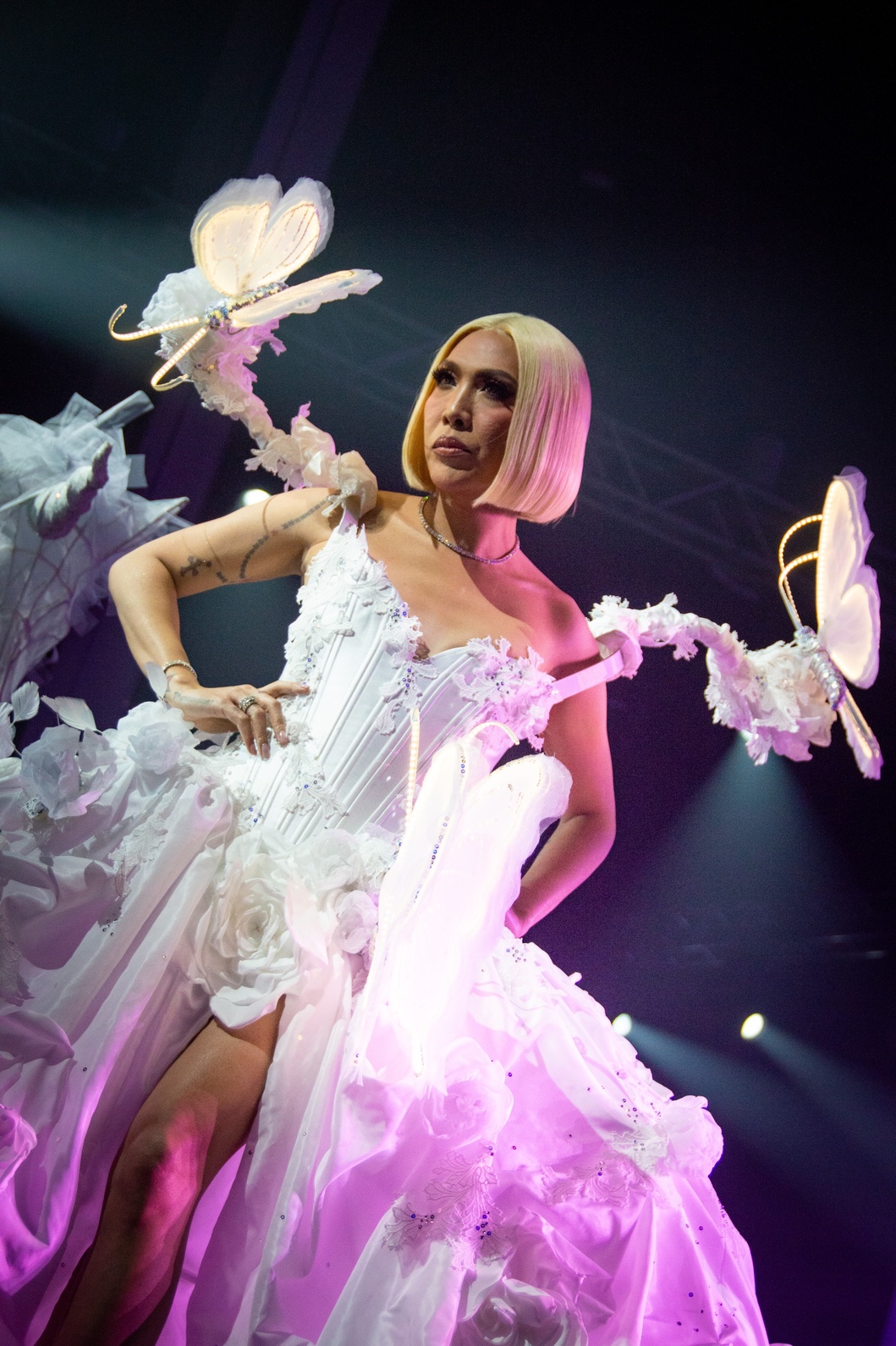
Today, perhaps no one embodies the modern Filipino queer Mama more than ‘Meme’ Vice Ganda. Beyond the sold-out films, television success, and unmistakable humor lies a deeper legacy. She transforms visibility into opportunity. Meme Vice did not simply become one of the country’s biggest stars—they became proof that an openly queer Filipino could lead, influence, and inspire without compromising authenticity.
More importantly, Vice continues to create spaces for other LGBTQIA+ artists, comedians, drag performers, and dreamers to thrive. Representation became responsibility, and responsibility evolved into motherhood.
As Vice Ganda beautifully puts it, “Niyakap ko na ang pagiging Ina. I am a mother to my community. Title siya that I didn’t just earn by name, but by the love, guidance, and the protection I always try to give my children. Ang pagiging nanay ko ay for those who have felt abandoned or unloved by the world.”
Perhaps that is the true meaning of being a Mama Mama in queer culture. It is not determined by age, fame, or even family ties. It is measured by the willingness to protect those who need protecting, to mentor those still finding themselves, and to remind every queer person that they are worthy of love exactly as they are.
Pride has always been more than rainbow flags or annual celebrations. It is the quiet reassurance that no one has to face the world alone. Behind every confident drag performer, every openly queer artist, every trans woman embracing her identity, and every young bakla learning to love themselves is often a Mama Mama who whispered, “Nak, keri natin ‘yan.”
That is why every bakla has a mother. Not because they all share the same blood, but because every queer journey is shaped by someone who chose to love, guide, and protect them when they needed it most.
And in the LGBTQIA+ community, Mama Mama will always know best.