SexBomb Girls’ legacy lives on as they empower generations of queer Filipinos through dance, camp, and confidence.
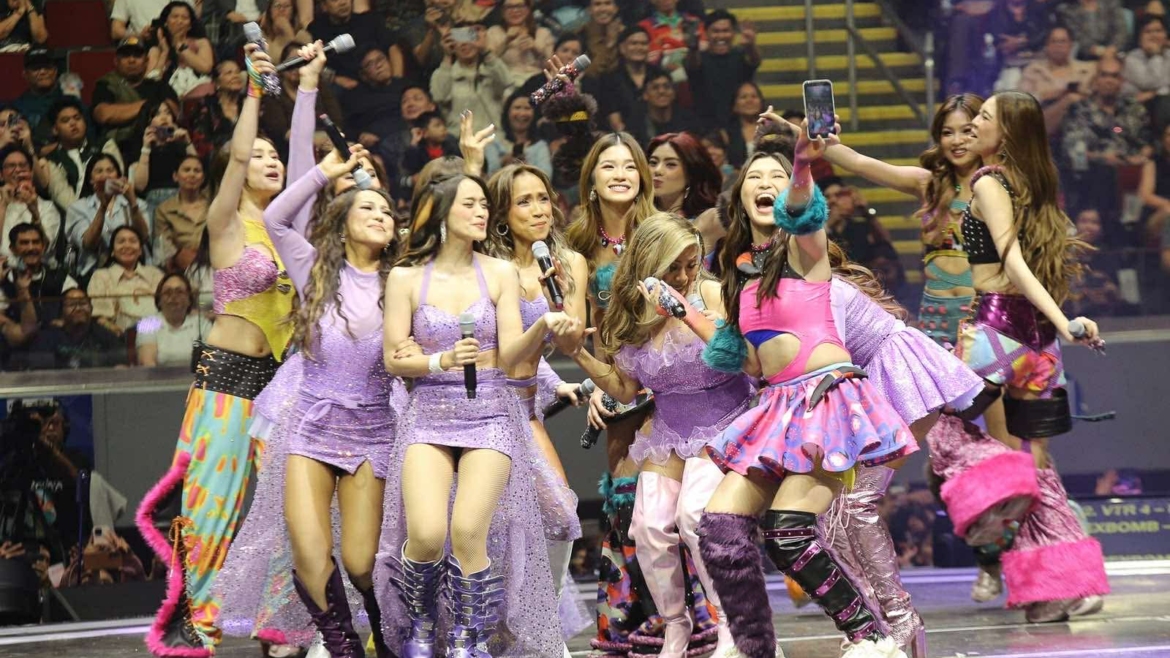
Before TikTok dance challenges, before drag queens filled sold-out theaters, and before Pride stages became fixtures of June celebrations, there was one group that had the entire country dancing in sync: the SexBomb Girls.
Emerging in the late 1990s and becoming one of the biggest television phenomena of the early 2000s, the group built an empire through their regular appearances on “Eat Bulaga!,” where their infectious choreography and undeniable charisma turned them into household names. Their popularity only grew with hit novelty songs like “Spaghetti Song,” “Bakit Papa?,” “Halukay Ube” and “Pretty Little Baby,” before expanding into television through the long-running GMA series “Daisy Siete,” proving they were more than dancers—they were entertainers who became part of everyday Filipino life.
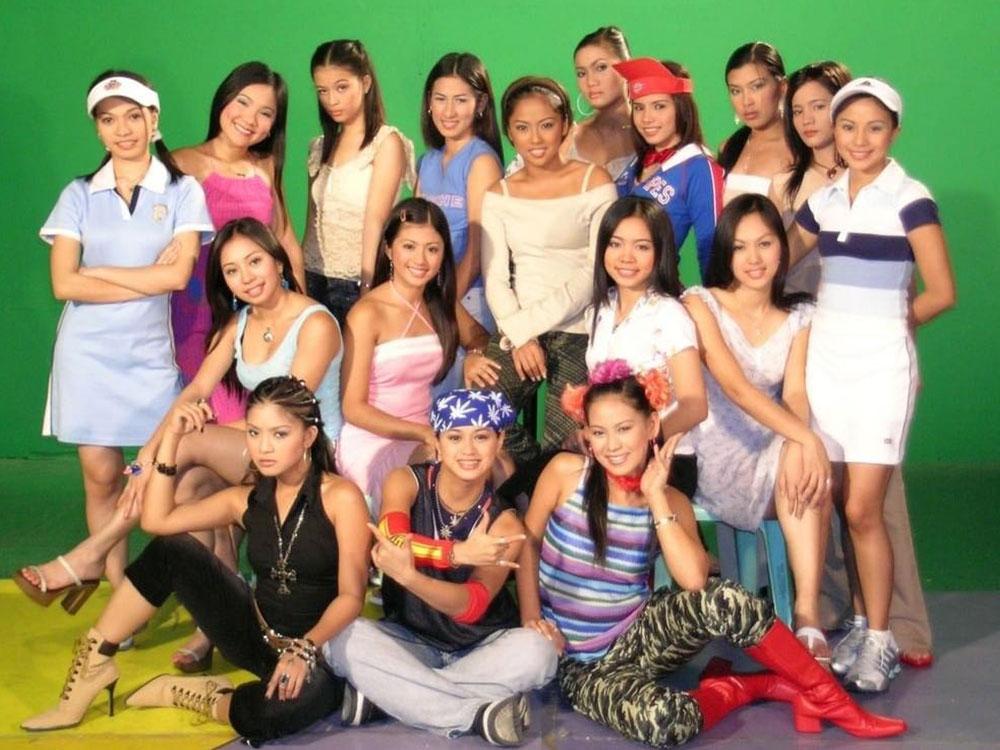
Whether you lived in Metro Manila or a small barangay hundreds of kilometers away, chances were you knew at least one SexBomb Girl by name.
But while the country embraced them as television stars, another community quietly claimed them as something even greater. Icons.
The original dance academy of the ‘Sangkabaklaan’
Every queer Filipino has a SexBomb story.
It wasn’t simply about watching them on television—it was about becoming them.
Every barangay fiesta, school foundation day, Christmas party, and neighborhood pageant eventually turned into an unofficial SexBomb concert. Once the opening beats of “The Spageti Song” or “Halukay Ube” echoed through the speakers, everyone already knew who would rush to the center of the stage.
‘Ang sangkabaklaan.’ Suddenly, basketball courts became concert arenas. Narrow streets transformed into runways. Plastic monoblock chairs became front-row seats.
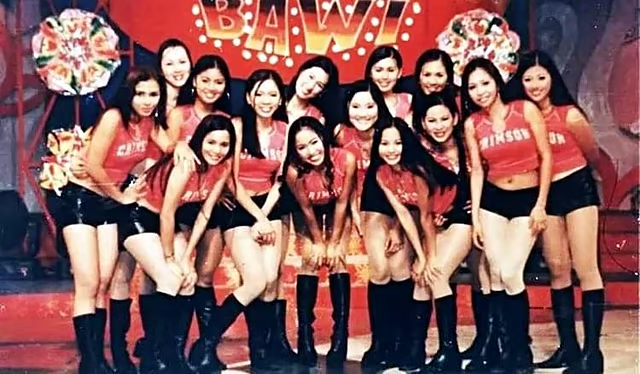
Long before YouTube tutorials existed, queer kids learned choreography by replaying television episodes in their minds. Before drag became mainstream, many local drag artists had already found their first performance inspiration in Rochelle Pangilinan’s precision, Jopay Paguia’s infectious energy, Aira Bermudez’s commanding stage presence, Izzy Trazona’s elegance, Mia Pangyarihan’s charm, Sunshine Garcia’s confidence, Weng Ibarra’s power, Evette Pabalan’s flair, Monique Icban’s presence, Sugar Mercado’s unmistakable appeal, Che-Che Tolentino’s charisma, and the undeniable chemistry all Sexbomb Girls shared as one group.
The annual “Halukay Ube Showdown” may never have been an official competition, but every Filipino knows it happened—whether in barangay fiestas, school programs, or in the middle of the street after someone connected a speaker.
Those performances were more than childhood memories. For many members of the LGBTQIA+ community, they were their very first stage.
Camp before we had a word for camp
Part of what made the SexBomb Girls resonate so deeply with queer audiences was that they embraced everything the LGBTQIA+ community has long celebrated in performance—camp, spectacle, precision, humor, and unapologetic confidence.
Without intending to, they created a performance language that generations of queer Filipinos would later translate into drag shows, gay pageants, Pride celebrations, and nightlife.
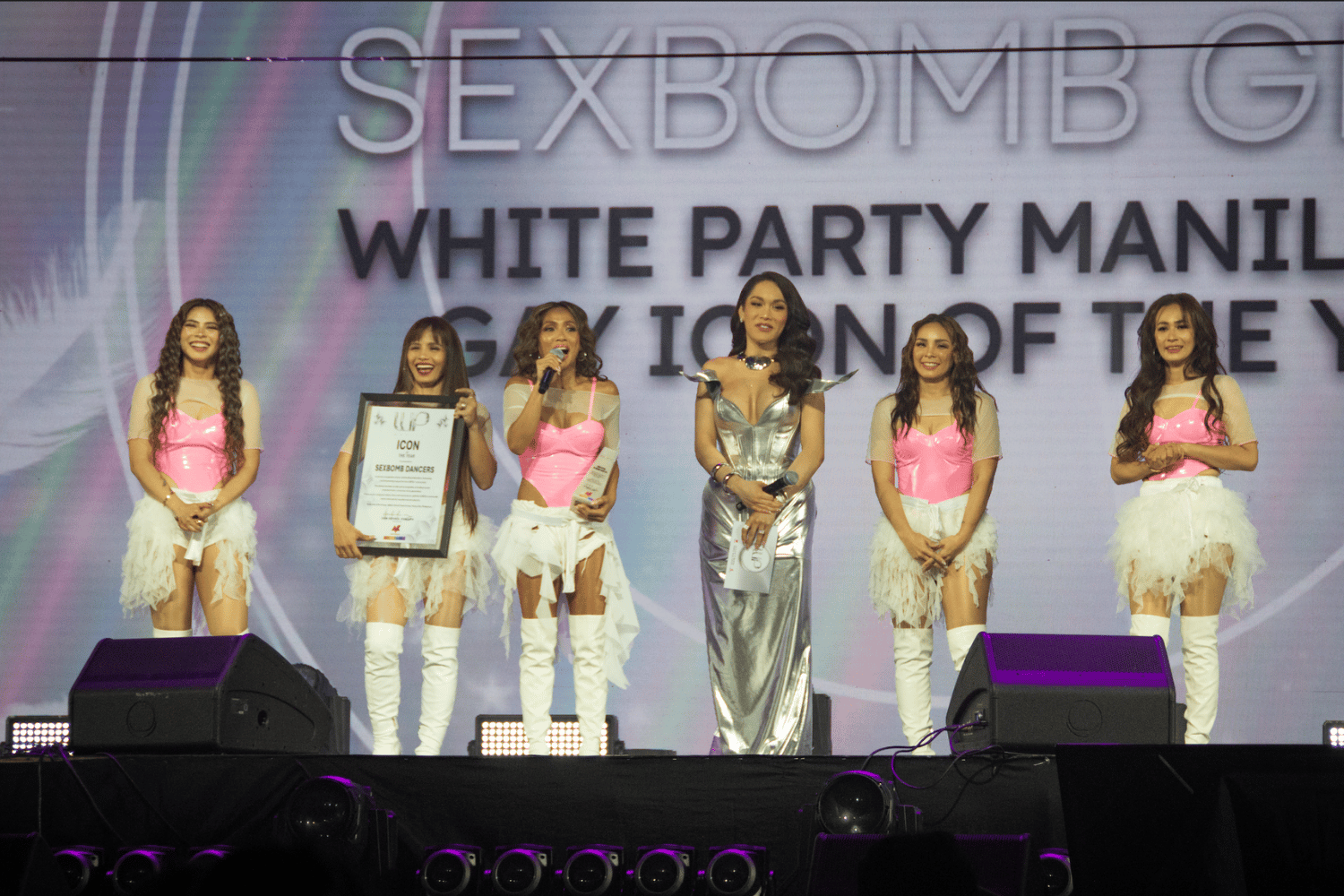
Their influence became so profound that the group remains a celebrated presence at queer events, and was eventually recognized as “Gay Icon of the Year” at the White Party Manila 2026, honoring their lasting contribution to the LGBTQIA+ community.
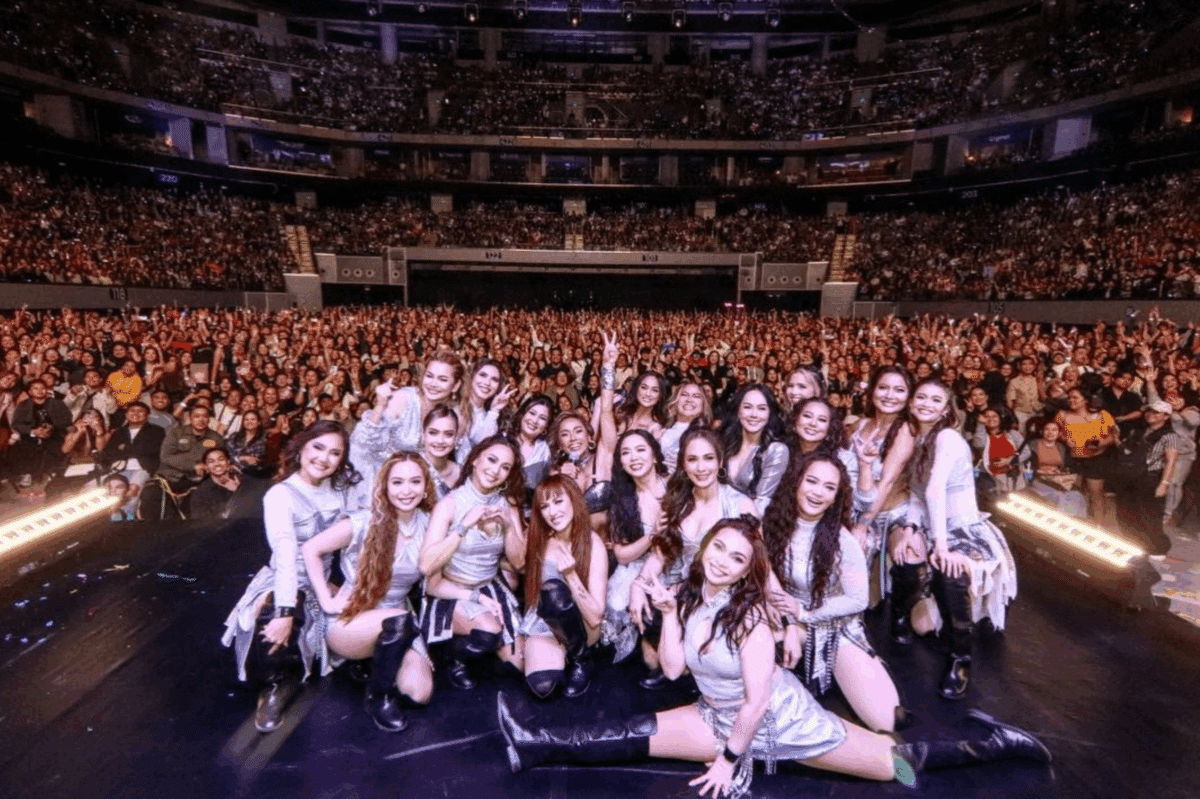
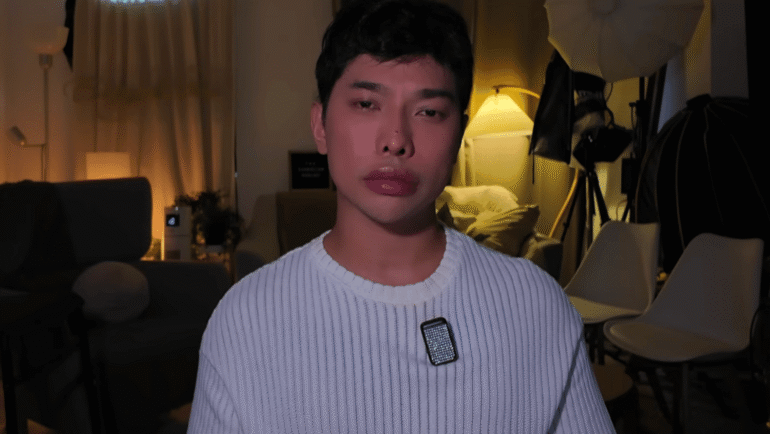
For media personality KaladKaren, their influence extends far beyond entertainment, “Napalaki ninyo ang napakaraming miyembro ng LGBTQIA+ community na palaban dahil sa inyo.”
And that admiration spans generations like how international drag superstar Marina Summers also recalls that before many Filipino queer youth discovered global pop icons, they first looked up to performers much closer to home.
“Growing up, we didn’t just watch international divas. We watched local icons. Ang SexBomb Girls ang blueprint ng determinasyon, synchronization, at excitement sa entablado. Sila ang standard para sa aming mga batang bading na nangarap din mag-perform.”
SexBomb Girls didn’t just inspire performances—they inspired people to dream of performing in the first place.
More than a dance group, they became a queer memory
Perhaps what makes the relationship between the SexBomb Girls and the LGBTQIA+ community so enduring is that it has never been one-sided.
Over the years, members of the group have openly acknowledged how much the queer community has supported, celebrated, and inspired them. It has always been a reciprocal exchange of admiration.
SexBomb member Aira perhaps says it best, “Hindi ako pinalaki ng SexBomb para bumawi, pinalaki ako para lumaban.”
It is a statement that resonates beyond the group itself. It speaks to generations of LGBTQIA+ Filipinos who grew up learning that confidence wasn’t something you were simply born with.
Sometimes, it was something you practiced in front of a television screen, something you discovered while dancing barefoot on hot concrete during a barangay fiesta, or something you borrowed from the women who showed you that taking up space could be joyful.
The SexBomb Girls never announced themselves as LGBTQIA+ icons. They didn’t have to.
Their music became the soundtrack of queer childhoods. Their choreography became the first dance lessons of countless drag artists. Their energy became the blueprint for Filipino camp. Their confidence became permission for generations of queers to perform without apology.
They gave the Philippines hit songs. But more importantly, they gave the ‘sangkabaklaan’ something even more lasting—a choreography for confidence, a language of joy, and proof that sometimes the first step toward becoming your truest self begins with hearing someone shout: “Get, Get… Aww!”