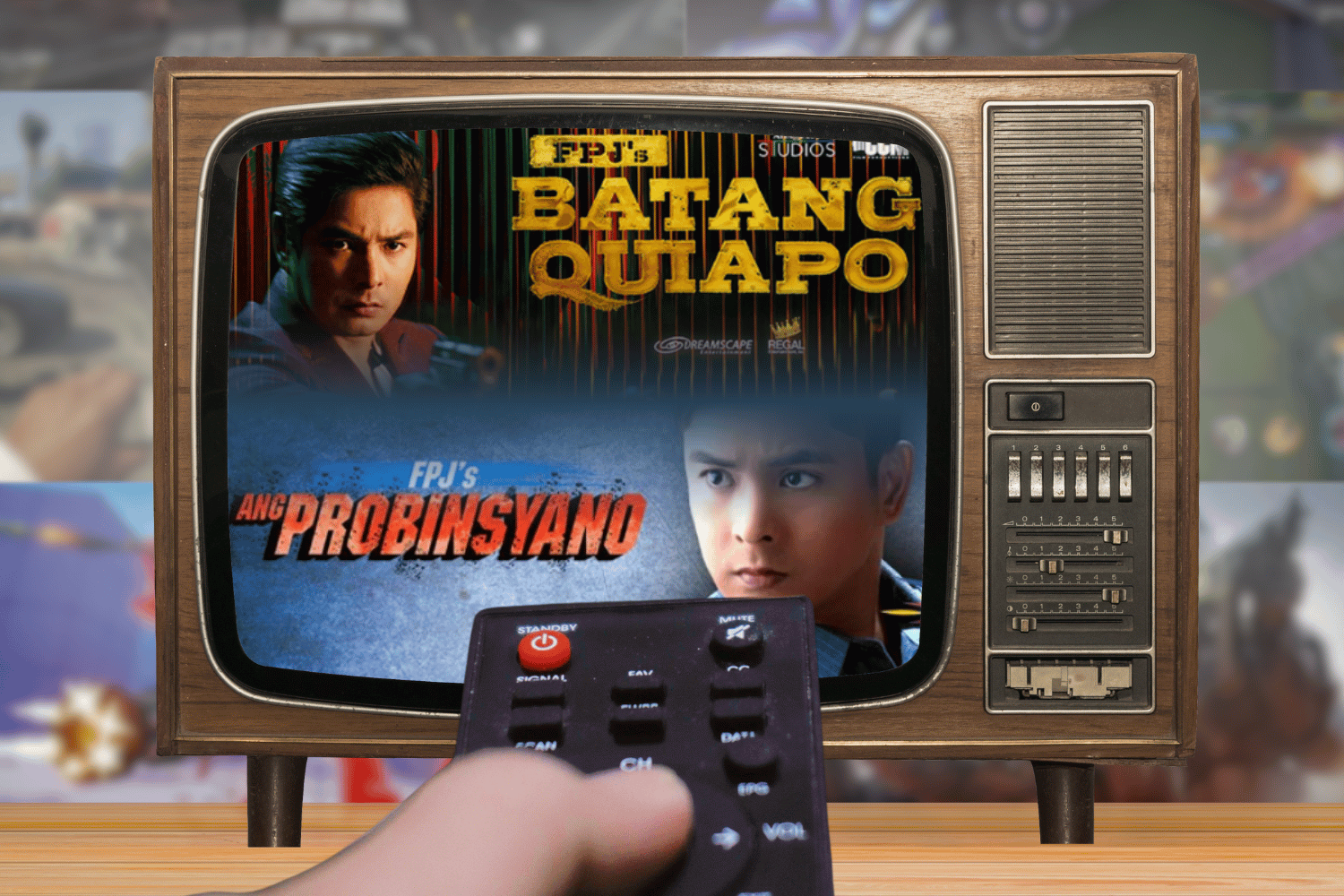
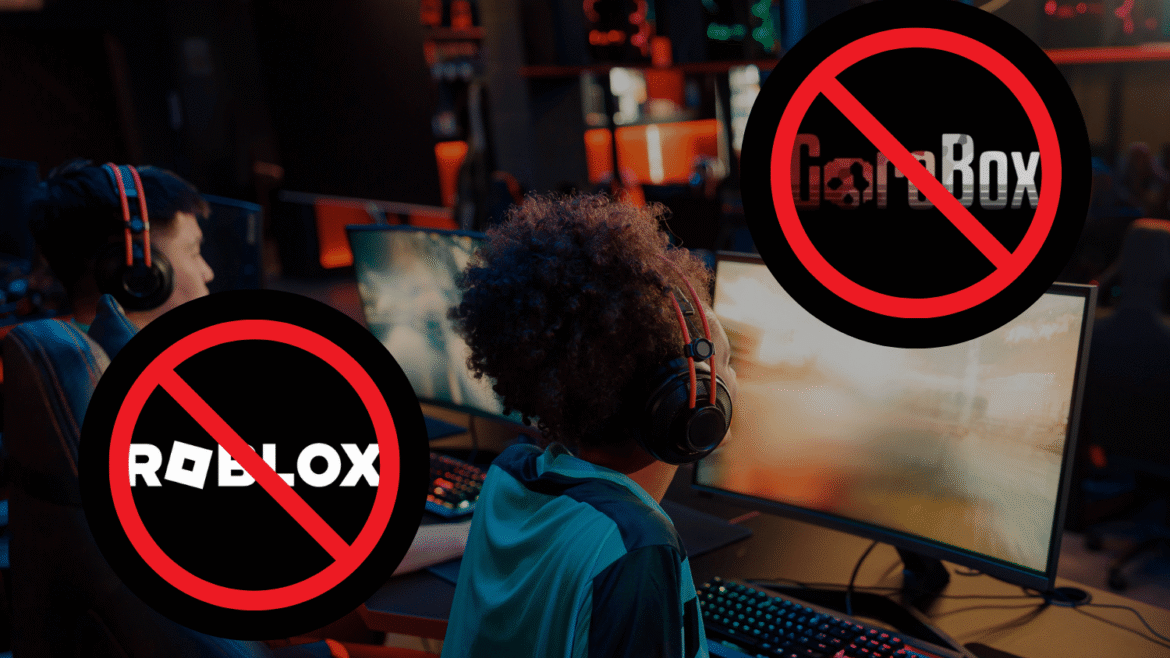
Some users argued that if video games are being criticized for their violent content, television should not receive a free pass simply because it has long been part of Philippine primetime.
Others went further, arguing that the two shows may contribute to violent behavior and should therefore be examined just as closely.
“too much violence for a prime time show. imagine how many children watched this and thought how cool for them to use a gun,” said the author of the post.
Many users, however, clarified that they were not necessarily calling for television shows to be banned. Instead, they questioned why television had largely escaped similar public criticism.
Others argued that this misses the bigger picture and treats media as an easy explanation for complex societal issues.
“Huwag nating isisi sa TV ang pagkukulang sa gabay sa bahay at ang mga problema sa lipunan. Mas madali kasing sisihin ang serye kaysa ayusin ang sistema,” said one X user.
Many users echoed this sentiment, arguing that violence predates popular television shows and video games. Rather than placing responsibility solely on entertainment, they emphasized the role of parental guidance, proper supervision, and ensuring that children are not exposed to age-inappropriate content.
Instead of focusing on bans, some users suggested stricter enforcement of age ratings, greater media literacy among both children and parents, and more varied primetime programming, including more family-friendly content.
These measures were viewed as more practical than restricting a single form of entertainment, reinforcing the view that guidance and responsible media consumption should take precedence over outright prohibition.
At the same time, action-heavy teleseryes have dominated Philippine primetime for years because of their long-standing popularity among Filipino audiences. Their prominence has made them recurring examples whenever conversations about violent media resurface.
More than deciding which form of entertainment deserves blame, the conversation highlighted the challenge of balancing media consumption, parental guidance, and accountability while questioning whether different forms of media are being held to the same standard.
READ: