\Here’s how to protect yourself this flu season.
Have you noticed it too?
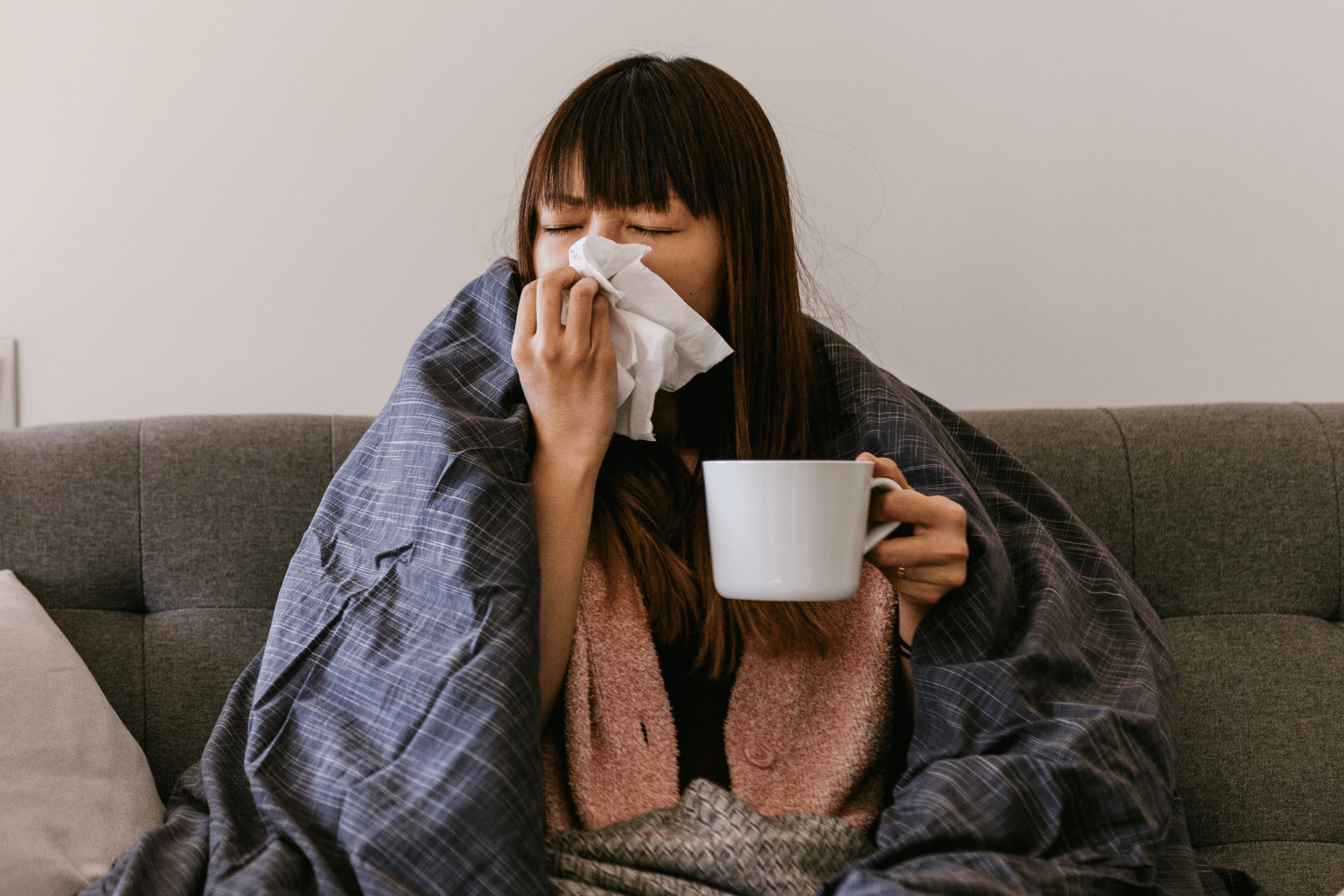
Over the past few days, it feels like almost everyone knows someone who has gotten sick. A friend cancels dinner because of a fever. A coworker suddenly disappears from the office with a bad cough. Your group chat is filled with messages saying, “Masama pakiramdam ko.” Even public transport seems filled with people coughing and sneezing.
If it feels like a flu wave is making the rounds, you’re not imagining it.
The Philippines is now in the middle of its primary flu season, which typically runs from June to November—the same months as the rainy season. While influenza viruses circulate throughout the year in tropical countries, health experts say infections consistently rise during the wet months when cooler temperatures and increased humidity help the virus spread more efficiently.
The good news? There are simple things you can do to reduce your risk.
Get your flu shot
Doctors recommend getting vaccinated every year, ideally between April and June before flu cases peak. If you haven’t received one yet, it’s still worth asking your doctor, especially if you’re a senior citizen, pregnant, have a chronic illness, or live with someone who is at high risk.
Don’t underestimate handwashing
Your hands touch countless surfaces every day—from elevator buttons to jeepney rails and shopping carts. Wash your hands with soap for at least 20 seconds or use an alcohol-based sanitizer when soap isn’t available.
Wear a mask when needed
Masks aren’t just for pandemics. If you’re commuting during rush hour, visiting hospitals, or feeling under the weather yourself, wearing a mask helps reduce the spread of respiratory viruses.
Get enough sleep
Lack of sleep weakens the immune system. Aim for seven to nine hours of quality sleep each night, especially during the rainy season when viral infections become more common.
Keep your body hydrated
Drink plenty of water and warm fluids throughout the day. Staying hydrated helps soothe irritated airways and replaces fluids lost through fever.
Stay home if you’re sick
One of the quickest ways influenza spreads is when people continue reporting to work or school despite having symptoms. Health experts recommend staying home until at least 24 hours after your fever has resolved without fever-reducing medicine.
Don’t share personal items
If someone at home is sick, avoid sharing utensils, cups, towels, and drinking bottles. Regularly disinfect frequently touched surfaces like phones, keyboards, and doorknobs.
Know the danger signs
Most flu cases improve after several days of rest, fluids, and supportive care. However, seek immediate medical attention if someone develops difficulty breathing, persistent high fever, chest pain, severe weakness, confusion, or bluish lips or face.
The flu is often dismissed as “just trangkaso,” but every year it sidelines thousands of Filipinos from work, school, and family life. Sometimes, the best way to survive flu season isn’t finding the perfect medicine after getting sick—it’s making sure you don’t catch it in the first place.
READ: