Weaving communities continue to face challenges even with support systems in place.
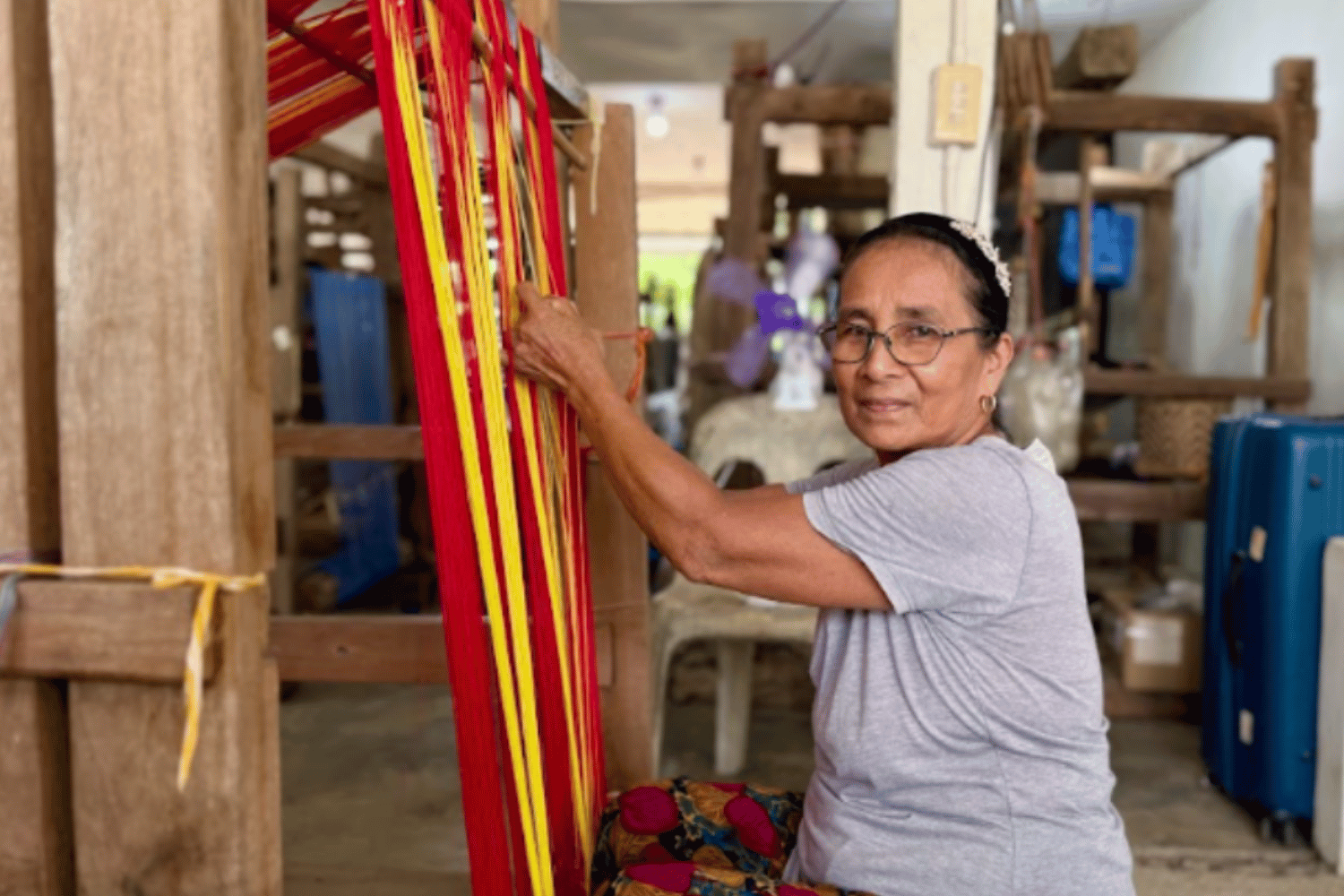
Inabel, the traditional handwoven textile of the Ilocos Region, is known for its intricate patterns and centuries-old craftsmanship.
But behind the artistry is a challenge that many weaving communities continue to face: finding enough quality yarn to keep the craft alive.
Cross-generational weavers in the Ilocos Region have struggled to secure a steady supply of quality, cottonized yarn. Many rely on online sellers for materials, but cheaper alternatives like polyester make it difficult to know whether the yarn arriving at their doorstep are suitable for traditional weaving.
The shortage affects more than the craft itself. An unstable supply of materials makes it harder for weaving communities to accept larger orders, sustain income, and encourage younger generations to continue the tradition.
That long-standing problem led to the opening of the country’s first Regional Yarn Production and Innovation Center in Vintar, Ilocos Norte, in July. The center is expected to provide locally produced yarn to more than 1,550 weavers across the Ilocos and Cordillera regions.
According to the Department of Science and Technology-Philippine Textile Research Institute, the facility converts locally available fibers—including abaca, banana, bamboo, pineapple, and cotton—into blended yarns that can be used for traditional Philippine textiles, including Inabel.
During its soft launch in November 2025, the center produced more than 600 kilograms of blended cottonized yarn, showing its potential to support an industry driven mostly by women working from home.
At full capacity, the facility can produce 50 to 75 kilograms of yarn daily—enough to make fabric for around 24,000 women’s blouses or 18,000 office barongs each year. It is also projected to generate ₱25 million to ₱72 million in annual revenue.
But even with these support systems in place, weaving communities continue to face challenges like a shrinking artisan population, competition from cheaper machine-made fabrics, and keeping traditional crafts economically viable.
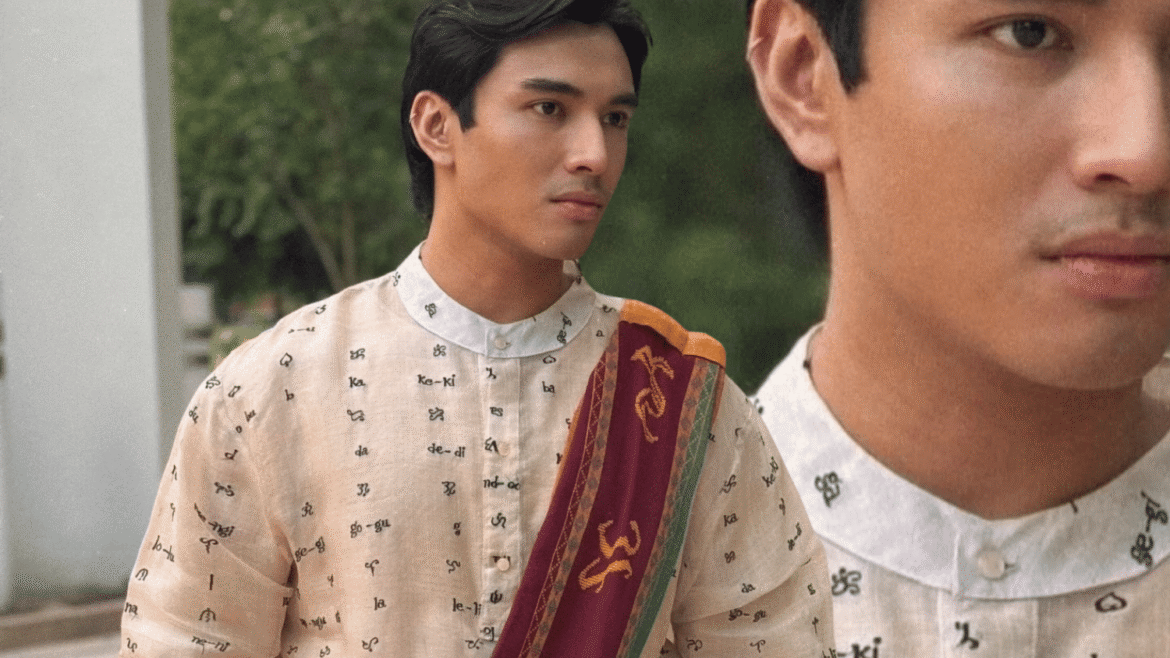
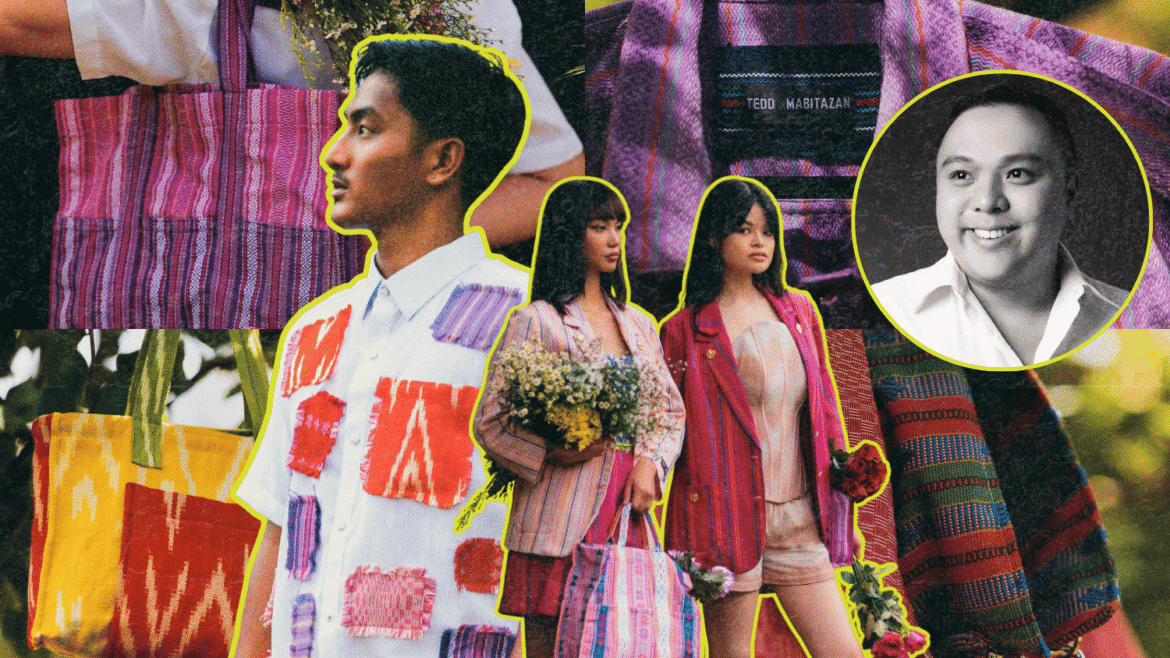
Traditional weavers hope more Filipinos choose to wear, support, and invest in locally woven textiles like Inabel to preserve the craft woven in national history.
READ: