
Amid renewed attention on Batanes, a closer look at the northernmost province reveals how its distinct Ivatan culture has always been part of the Filipino story.
Recent headlines have put Batanes back in the national conversation after Chinese scholars claimed the northernmost Philippine province once belonged to China through Taiwan. The discussion has largely revolved around history, geography and competing narratives.
But while maps and historical records have their place, they can only tell us so much. To understand Batanes, you have to go there.
If you asked someone to paint a picture of the Philippines, chances are it would include jeepneys weaving through busy streets, Tagalog conversations filling the air, and familiar dishes like adobo or sinigang served around the table. It’s an image many of us recognize. But it’s far from the whole picture.
The Philippines doesn’t begin and end in Manila.
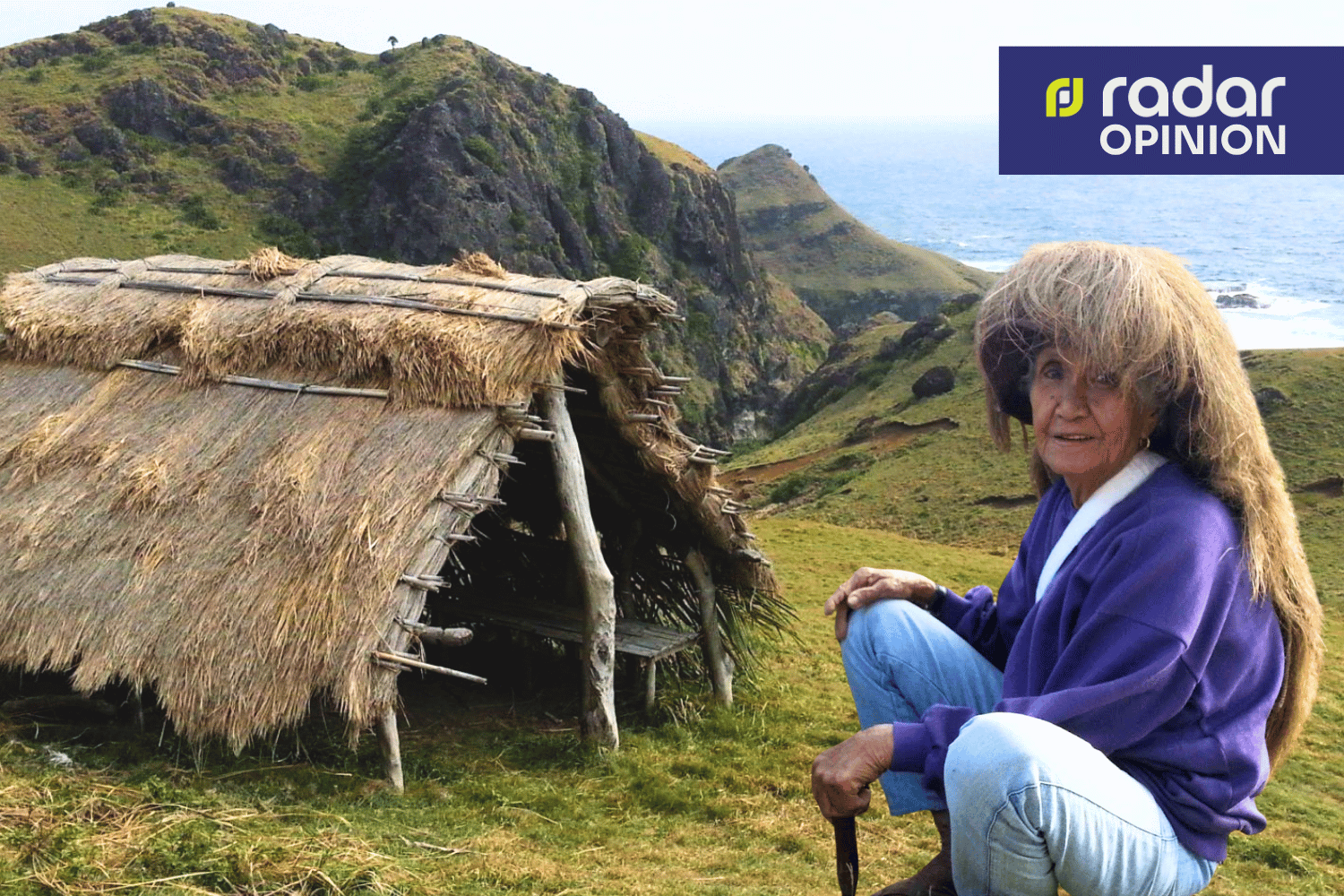
Travel to Batanes, and you’ll find a different expression of Filipino life. People greet one another in Ivatan. Centuries-old stone houses stand firm against powerful typhoons. Women continue the tradition of weaving the vakul, the distinctive head covering made from local fibers.
In Batanes, life moves at its own pace, shaped by the sea, the wind and a community that has learned to live with nature rather than against it. It feels different from much of the country. Yet none of it feels any less Filipino.
When I first visited the islands, I arrived expecting to be captivated by the scenery. I wasn’t disappointed. After all, Batanes has earned its reputation as one of the country’s most breathtaking destinations.
Rolling hills meet dramatic cliffs, long and winding roads cut through vast green pastures, and deep blue waters stretch as far as the eye can see. Around every bend is another view worthy of a postcard.
The island’s old churches, weathered stone houses and historic lighthouses add to its charm, while cows grazing across open fields have drawn comparisons to Scotland and New Zealand.
But years after my visit, those landscapes are not what I remember most.
It’s the people.
Genuine hospitality
I still remember walking through town and hearing cheerful “Magandang umaga po!” from people I’d never met. Strangers smiled as we passed. There was a warmth that made the islands feel instantly welcoming, the kind of hospitality that doesn’t feel rehearsed or performed for visitors.
Perhaps what impressed me most was how the Ivatans had embraced tourism without letting it define them. Visitors may come and go, cameras in hand, but daily life continues much as it always has. Traditions are practiced because they remain part of the community, not because they’re attractions.
That strong sense of identity may be one of Batanes’ greatest strengths.
Being Filipino has never meant speaking the same language, eating the same food or living the same way. The Philippines is home to dozens of ethnolinguistic groups, each shaped by its own geography, history and traditions. The Ivatans are one of many communities that make up that rich tapestry. Sometimes, it’s easy to forget that.
Popular culture often presents Metro Manila as the default image of the country, and that’s understandable. The capital is where many of our biggest stories unfold, where much of our entertainment is produced and where national conversations often begin.
But they shouldn’t end there.
Filipino identity in many forms
The farther you travel across the archipelago, the more you realize that Filipino identity takes many forms. It sounds different in Ilocos. It tastes different in Bicol. It is expressed differently in the Cordilleras, in Mindanao and, perhaps most strikingly, in Batanes.
That diversity is one of the defining characteristics of the nation itself, which is why places like Batanes deserve to be appreciated for more than their strategic location or the latest headlines they generate.
Maps can define borders, and historians can debate the past. Culture, meanwhile, is lived every day.
It’s found in children growing up speaking Ivatan. In families caring for stone houses that have sheltered generations. In neighbors helping one another after another powerful storm. In traditions passed from parents to children, not because they’re expected by tourists, but because they’re simply part of everyday life.
Maybe the conversation about Batanes shouldn’t begin with maps or competing claims. Maybe it should begin with the people who have called these islands home for generations, whose language, traditions and way of life continue to enrich the Filipino story.
The Philippines doesn’t begin and end in Manila. It is found in places like Batanes, where being distinctly Ivatan has always been part of being Filipino.
That’s the point.
READ:
OPINION: Give the roads back to pedestrians
John Lloyd Aleta
July 9, 2026
OPINION: Our government has failed to give us something as basic as a sidewalk
Matahari
July 8, 2026

OPINION: Why do we have to beg for a right that’s already painted on the road?
Kenneth M. del Rosario
June 21, 2026