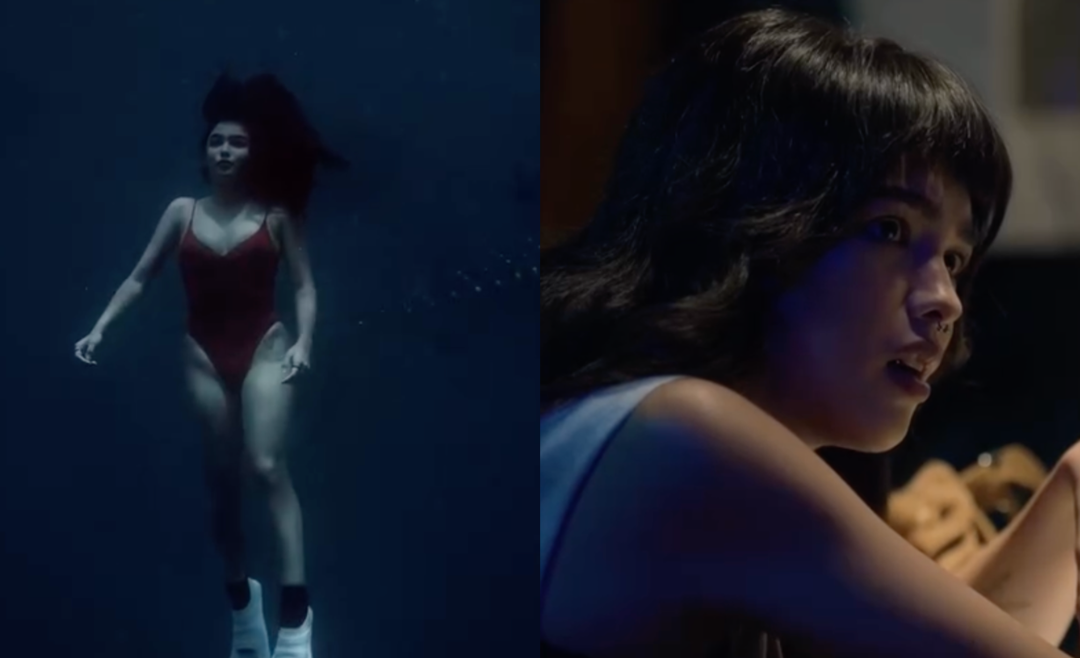
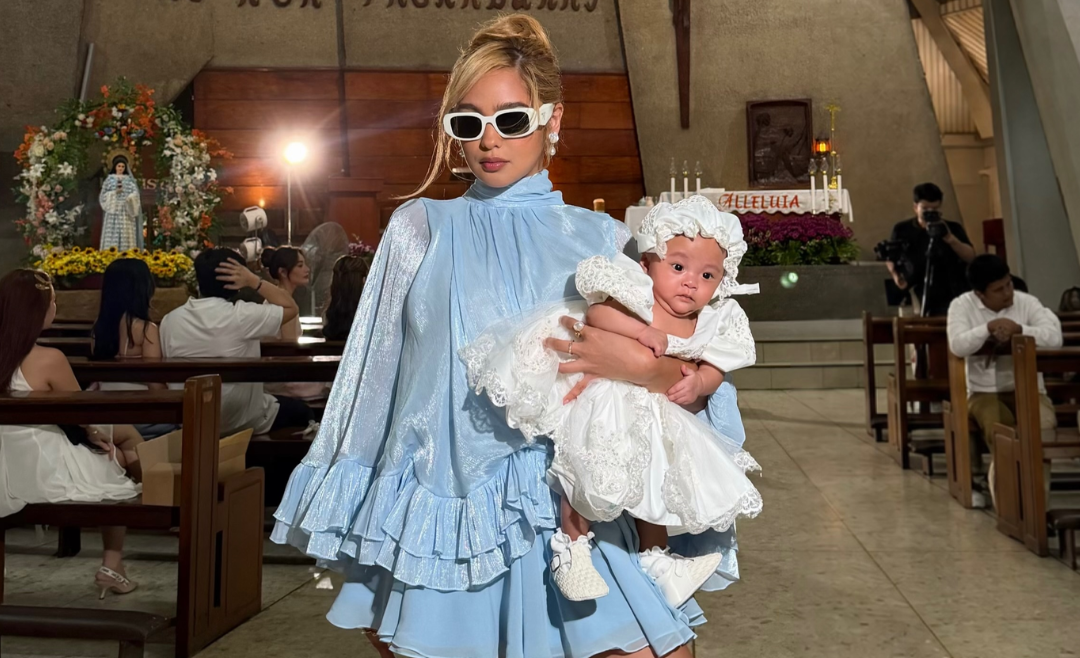
The actress says women face harsher judgment than men for being “sexy,” insisting she’s proving nothing with evolving image.
Actress Andrea Brillantes is speaking up against what she sees as a persistent double standard in how society judges men and women, especially when it comes to self-expression and sexuality.
In an interview with broadcast journalist Karen Davila, the 23-year-old star pushed back against the scrutiny women face for dressing a certain way or embracing a more confident, “sexy” image.
Brillantes pointed out that while men who perform or present themselves in a provocative way are often met with kilig, women are subjected to questions about their intentions.
“It’s not right for people to assume that every time a woman dresses up in a certain way or kapag revealing siya, people want to ask questions like, ‘what are you trying to prove?’” she said, adding that men are rarely asked the same thing. For Brillantes, the issue lies not just in criticism, but in the unequal lens through which similar actions are viewed.
The actress also noted how male performers in mall shows, for example, are typically received with excitement and admiration, while women who do the same are more likely to be criticized for purposely seeking attention. The difference, she implied, reveals a deeper cultural bias that continues to shape public perception.
Brillantes was clear that her choices are not rooted in any desire to prove a point or dismantle a past image. “Ako, wala akong tinry iprove. ‘Di ko siya ginawa para basagin ang image na ‘Annaliza.’ I just did it simply because I can and I want to,” she said, asserting her autonomy over how she presents herself today.
The mention of “Annaliza” refers to the 2013 ABS-CBN drama “Annaliza,” where Brillantes rose to fame as a child actress portraying the long-suffering titular character. The role cemented her as a young dramatic talent, a stark contrast to the more confident, sensual image she embraces now, one that continues to spark conversation about evolving identities and the expectations placed on women in the public eye.
READ: