

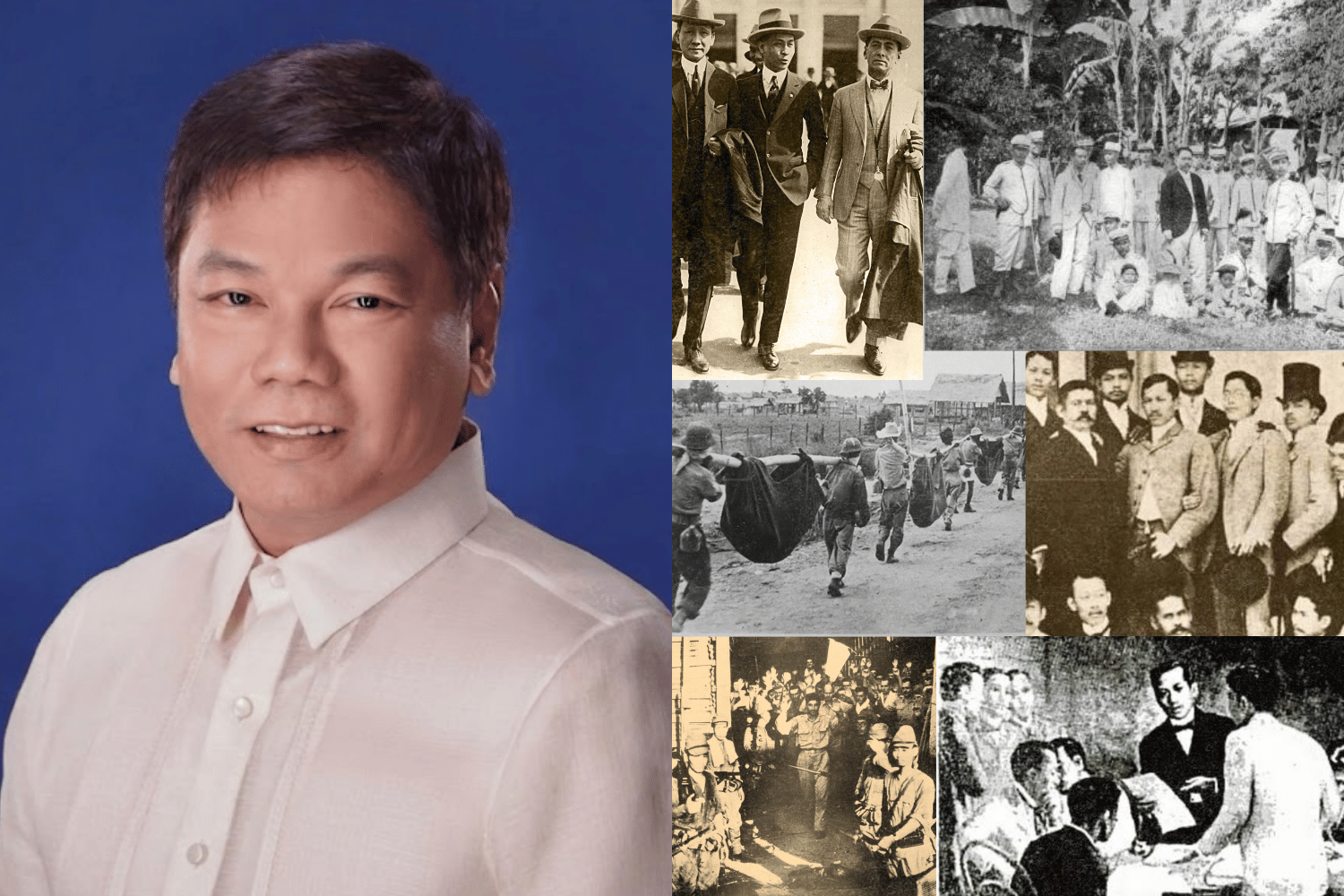
He proposed renaming several major historical events to emphasize Filipino resilience and agency.
Pastor Ed Lapiz has sparked discussion online after calling for a more Filipino-centered way of naming the country’s historical periods, arguing that history should highlight the experiences and struggles of Filipinos rather than the identities of their colonizers.
In a Facebook post titled “Bawiin ang Kasaysayan: Decenter the Colonizer,” Lapiz said historical period names are “not neutral” because they shape how people understand the past.
“When eras are named after colonizers, the colonizer becomes the center of the story,” the graphic read. “Use names that foreground Filipino experience and action.”
Among the changes he proposed were replacing “Panahon ng Kastila” with “Panahon ng Pagkamulat, Pakikibaka, at Himagsikan,” “Panahon ng Amerikano” with “Panahon ng Patuloy na Pakikibaka para sa Kalayaan,” and “Panahon ng Hapon” with “Panahon ng Pananakop at Kilusang Gerilya.”
For formal historical use, Lapiz suggested using more descriptive terms such as “Spanish Colonial Rule and the Rise of Filipino Nationalism,” “American Colonial Rule and the Continuing Struggle for Independence,” and “Japanese Occupation and Filipino Resistance.”
He also proposed renaming several major historical events to emphasize Filipino resilience and agency. These include changing “Fall of Bataan” to “The Defense and Valor of Bataan,” “Fall of Corregidor” to “The Siege and Defense of Corregidor,” “Philippine Insurrection” to “Philippine-American War,” and “Pacification Campaign” to “American Counterinsurgency and Filipino Resistance.”
“The colonizer belongs in the record, not at the center of the story,” Lapiz concluded.
The post quickly drew attention online, adding to ongoing discussions among historians, educators, and the public about decolonizing historical narratives and how language influences collective memory. While many of Lapiz’s proposed terms align with perspectives in postcolonial scholarship, the traditional names continue to be the standard in most Philippine history textbooks and academic curricula.


