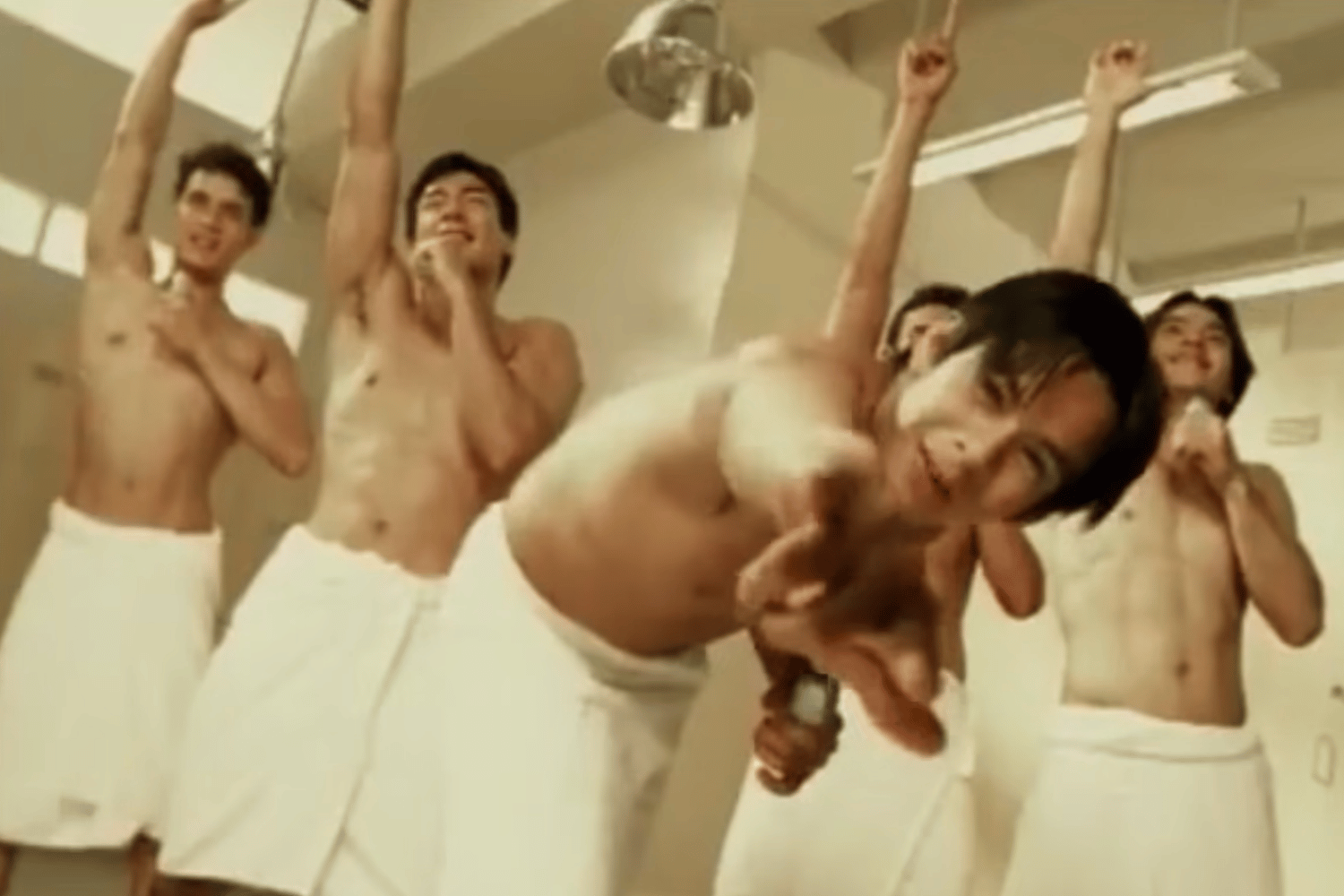
Almost instantly, audiences wanted more.
The commercial’s overwhelming popularity prompted ABS-CBN to sign the group to an exclusive contract, catapulting them from commercial models to full-fledged television personalities. They soon became regular performers on Magandang Tanghali Bayan (MTB), where their fan base continued to grow.
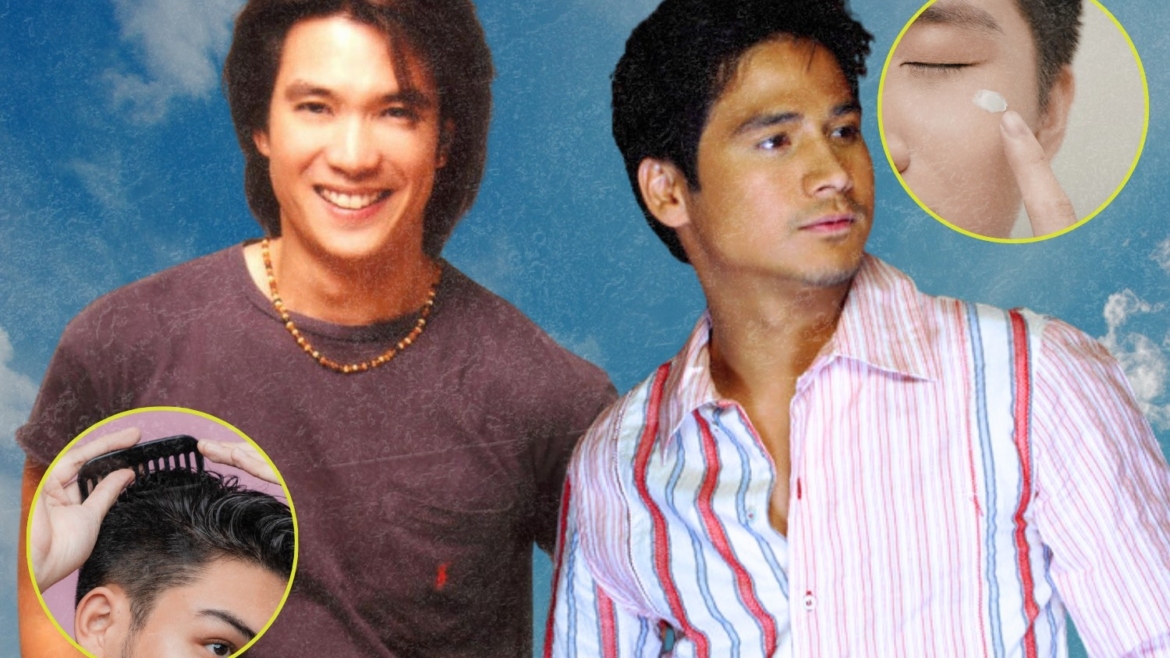
Their rise was so rapid that they were positioned as the network’s younger counterpart to the hugely popular The Hunks, the all-star group composed of Piolo Pascual, Diether Ocampo, Jericho Rosales, Carlos Agassi, and Bernard Palanca. For a brief but unforgettable period, the two groups represented different generations of Filipino matinee idols.
The opportunities kept coming. Rebranded as the Power Boys, they recorded an album under Universal Records in 2003 and were lined up for television and film projects. What began as a single deodorant endorsement had evolved into a full-fledged entertainment career.
The whirlwind success came with sacrifices. At the height of their popularity, the members revealed they were working as much as 18 hours a day, forcing several of them to put their college studies on hold to keep up with television tapings, live appearances, rehearsals, and promotional events.
Among them, Jordan Herrera would go on to enjoy the longest acting career, appearing in numerous television dramas and films before eventually settling in the United States with his family. Frank Garcia also remained active in acting and modeling, while Greg Martin and Jay Salas gradually stepped away from the entertainment spotlight to pursue private careers. Jeff Rodriguez exited the group early due to management differences, leading the remaining members to continue briefly as the “Power Four.”
More than two decades later, the towel dance remains etched in Filipino pop culture. It is regularly revisited in nostalgia posts and online discussions about the country’s most iconic commercials, serving as a reminder of an era when television had the power to turn ordinary faces into national celebrities almost overnight.
READ: