An old movie clip featuring the late screen legend Eddie Garcia is making the rounds on social media, and it has netizens laughing over a peculiar word that sounds strangely familiar: “aspikikay.”
In the resurfaced scene, the veteran actor is seen engaging in playful banter filled with suggestive humor, including references to jeepney parts, grease, and mechanical terms used as double entendres. The word “aspikikay” emerges as part of the comic exchange.
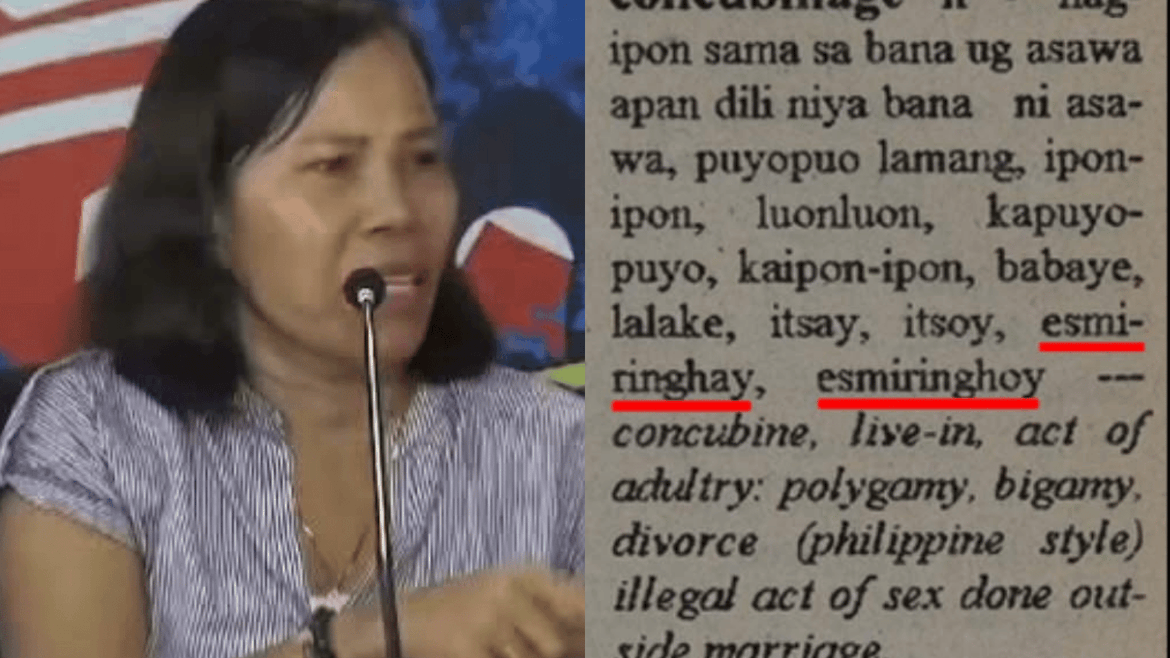
What makes the clip particularly amusing today is its apparent connection to another unusual expression that recently took the internet by storm: “esmiringhoy.”
What exactly is aspikikay?
Also spelled “espikikay,” the expression appears to belong to an older tradition of Filipino comic slang, where invented words, exaggerated pronunciation, and sexual innuendo were used to generate laughter.
Unlike conventional Filipino vocabulary, “aspikikay” has no widely established dictionary definition. Its meaning depends largely on the context, delivery, and intention of the person using it.
However, the late veteran journalist Ben Emata defined espikikay as “romance” in his June 16, 2010, column for SunStar—listing it among Visayan words that had “vanished for many years.”
In the old movie clip, the expression appears to function as playful, mildly suggestive language rather than a word with a fixed literal meaning.
Its appeal lies in how it sounds: rhythmic, ridiculous, and instantly memorable.
The esmiringhoy connection
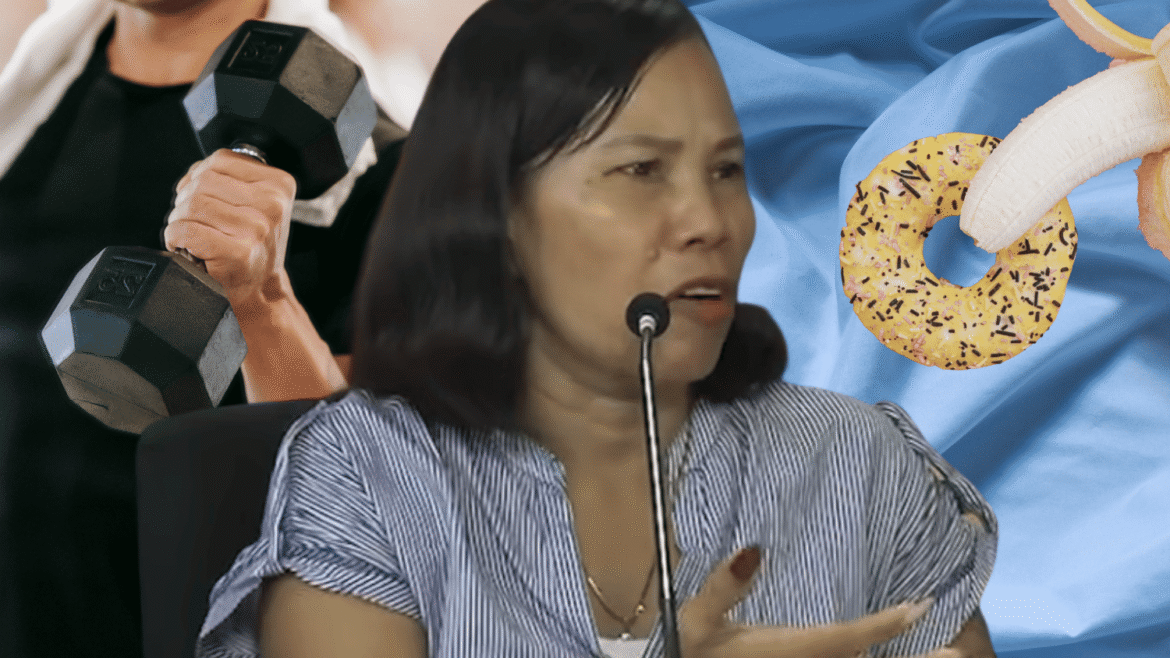
The renewed interest comes amid the viral popularity of “esmiringhoy,” an expression popularized by Cebuana Evelyn Batuigas following her appearance on “Raffy Tulfo in Action,” where she discussed marital intimacy problems involving her husband.
Her unusual choice of words quickly became a social media sensation, inspiring memes, reaction videos, and countless repetitions.
Now, netizens are connecting “esmiringhoy” with the older “aspikikay,” particularly because both expressions have been associated with humorous, suggestive conversations.
However, the resemblance does not necessarily mean one word originated from the other. Their precise linguistic relationship remains undocumented.
Old humor, new audience
The resurfaced Eddie Garcia clip illustrates how Filipino humor can survive generations through memorable expressions that do not necessarily need literal definitions.
What once worked as comic dialogue in a movie can suddenly become relevant again when internet users discover a similar-sounding expression decades later.
And while “esmiringhoy” may be the internet’s latest obsession, “aspikikay” is a reminder that Filipinos have been inventing outrageous, funny-sounding words long before TikTok and Facebook Reels existed.
Sometimes, all it takes is one viral video to bring them back.
READ: