CinePanalo student short follows young boy defying norms, asking why self-expression is still policed in Filipino communities.
For many Filipino boys, growing up comes with an unwritten set of rules: don’t cry too much, don’t appear weak, don’t move too softly, and don’t choose interests that others might consider “unmanly.”
These everyday expectations take center stage in “No Mad is an Island,” an official student short film entry to the 2026 Puregold CinePanalo Film Festival.
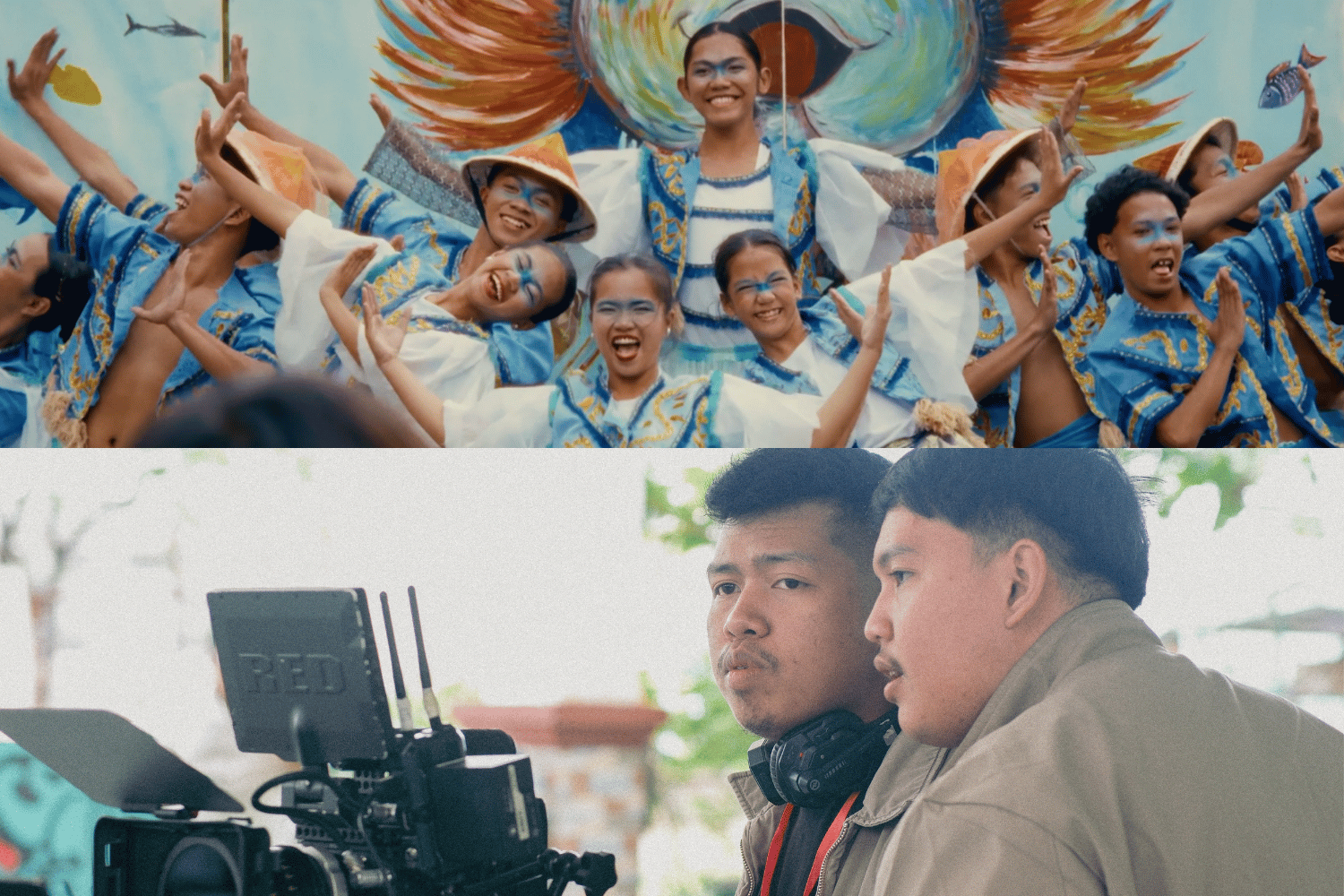
Directed by emerging filmmaker Carl Rogemand A. Geronimo, the 16-minute drama uses dance, family, and life in a fishing community to examine how narrow ideas of masculinity can silence young men before they fully understand who they are.
The film follows Matmat (Arjhay Mangulabnan), an 18-year-old dancer from a coastal village where manhood is measured by physical strength, hard labor, and the ability to endure hardship without complaint. He dreams of performing in the Pangisdaan Festival, drawing inspiration from the graceful movements of fish that have long sustained his community.
Instead of encouragement, however, Matmat becomes the target of ridicule. His classmates and peers see dancing as something that doesn’t fit their idea of masculinity. The humiliation reaches its peak when his dance shoes are stolen and displayed for public mockery, forcing him to continue rehearsing barefoot.
The incident is meant to break his spirit. Instead, it strengthens his resolve.
“This film was inspired by how certain forms of discrimination are so normalized that they are no longer recognized as discrimination,” Geronimo said.
A dancer himself, the 24-year-old filmmaker said the story is deeply personal. Growing up, he witnessed—and experienced—how boys were discouraged from expressing vulnerability or pursuing interests that challenged traditional expectations of masculinity.
“Boys are often taught early that they must hide vulnerability to be accepted,” he said.
For Geronimo, discrimination against boys does not always come through outright hostility. More often, it hides behind jokes, teasing, unsolicited advice, and long-held traditions that dictate how boys should speak, move, dress, and behave.
The film explores how these expectations shape young men from an early age, discouraging emotional expression while rewarding toughness, silence, and conformity.
“We are not questioning masculinity itself, but the narrow definitions that limit how young people are allowed to express who they are,” Geronimo said.
He stressed that “No Mad is an Island” is not a story about sexuality or queer identity. Instead, it examines the social pressures surrounding traditional masculinity and the emotional cost of forcing boys into a single mold.
The story also explores fatherhood through Mang Ronnie (Vic Romano), Matmat’s father and a struggling fisherman raising his son alone amid dwindling fish catches and growing financial uncertainty.
Rather than portraying him as simply unsupportive, the film presents Mang Ronnie as another victim of the same expectations. He loves his son but struggles to reconcile that love with everything he has been taught about what a “real man” should be.
As the Pangisdaan Festival approaches, the tension between father and son mirrors the conflict within Matmat himself. Should he abandon the passion that makes him happy to fit in, or continue dancing despite the ridicule?
When the dance troupe falters during the festival’s final performance, Matmat finally steps forward and leads. Before the same people who once mocked him, he dances with confidence and conviction, transforming what others saw as weakness into an act of courage.
“At its core, the film is about freedom—to express, to feel, and to exist without being boxed in by expectations,” Geronimo said.
The film’s title cleverly echoes the phrase “No man is an island,” suggesting that identity is shaped by the people and communities around us. Its logline captures that struggle poetically: “In a vibrant fishing town, Matmat dreams of dancing like a fish, yet the world keeps casting nets around him.”
The coastal setting is more than just scenery. It reflects a community where economic hardship, tradition, and family expectations intertwine, making Matmat’s journey toward self-expression even more difficult—and ultimately more meaningful.
Joining Mangulabnan and Romano in the cast are Reymar Royo as Sir Imma, Ralfh Gallegos as Gelo, and Ryan Vergere as Bully 1.
Geronimo co-wrote the screenplay with Jennissie Gilbuena. Behind the camera, the film features cinematography by Tristan Cua, production design by Kyle Matthew Lizardo and Hershey Kate Sigua, editing by Jenc Gilbuena, and original music by Marcus Benedict Africa.
Although this marks Geronimo’s directorial debut, he is no stranger to acclaimed student filmmaking. He previously served as assistant director on award-winning shorts including “Ang Ribbon ni Betbet,” “Sorbetes,” “My Grandma Can Fly,” and “Simula Umpisa, Walang Wakas.” His work has been recognized by the Navoteño Film Festival, FDCP’s Films for Peace, and the MMFF x FDCP Student Short Film Competition.
With “No Mad is an Island,” Geronimo delivers a coming-of-age story that asks a deceptively simple question: if dancing is an expression of joy, why should any boy be made to feel ashamed of it?
READ:

Puregold CinePanalo now accepts finished short films in new Panorama section
Top Dagohoy
July 17, 2026
VR Relosa and Nour Hooshmand leads Puregold Cinepanalo short film ‘Starfish’
Kieth Earl Rebaño
July 16, 2026
Student filmmaker tells a love story that began at the Philippines’ first Pride March
Top Dagohoy
July 20, 2026