Cleaner shipping should also mean more affordable fares for Filipinos.
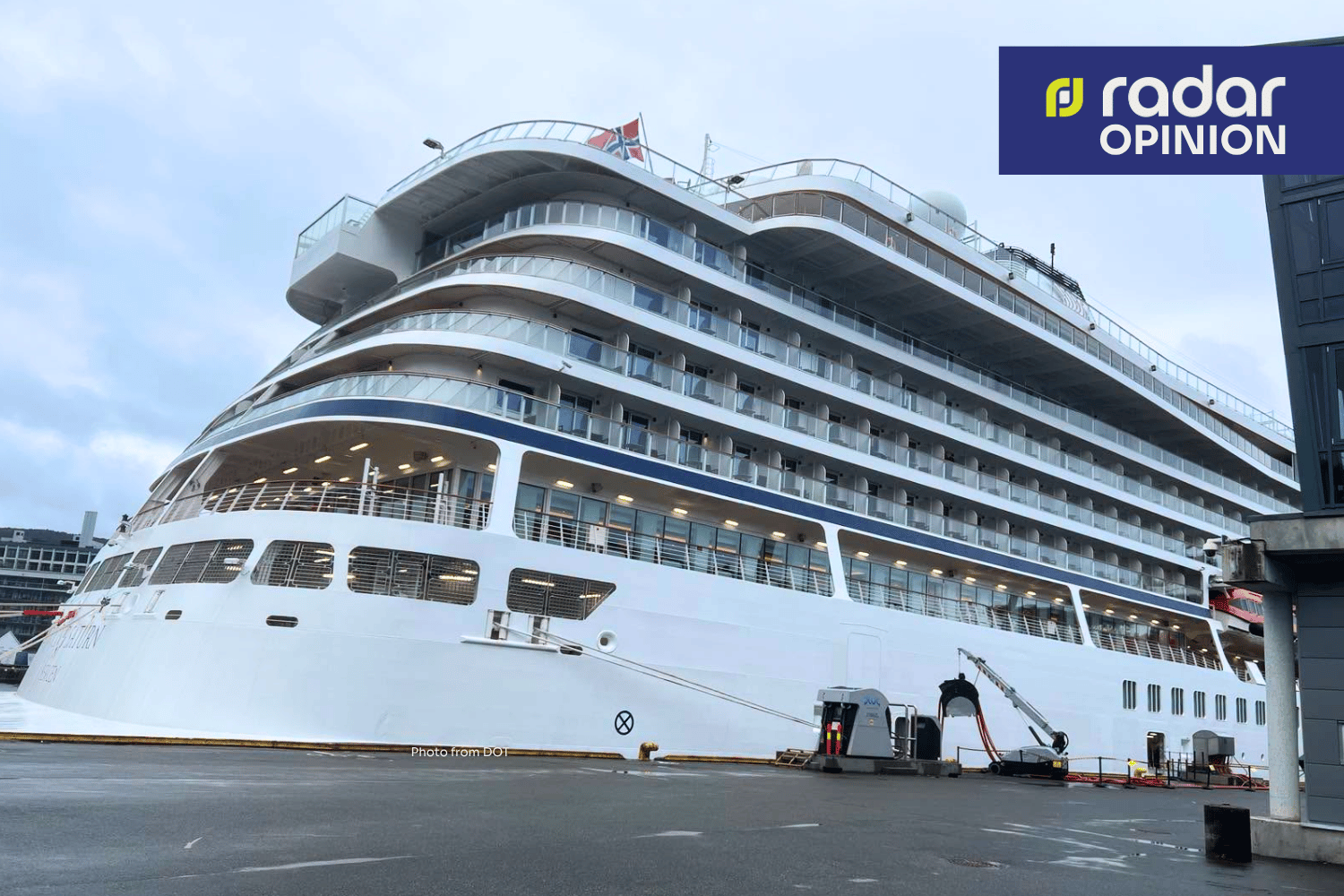
Electric ferries could help Philippine ship operators spend less on fuel and cut pollution from domestic shipping. But if the government wants to make the case for cleaner sea travel, there should be a clear benefit for the millions of Filipinos who depend on ferries every year.
The Department of Transportation (DOTr), through the Maritime Industry Authority (MARINA), is exploring all-electric ferries for the Iloilo-Bacolod route and hybrid vessels for Batangas-Calapan. The proposed pilot aims to reduce fuel consumption and operating costs while cutting carbon emissions.
The financial case is worth examining. A World Bank study found that a conventional ferry could spend $25 million to $50 million on fuel over 15 years, depending on oil prices. An electric ferry could cost around $10 million more upfront, but the study found that it could still generate returns of more than 8%.
The World Bank also said its model could recover the investment over a 15-year operating cycle without increasing fares.
That is encouraging, but a projection is not a promise. The actual cost of running electric ferries will depend on financing, charging infrastructure, vessel technology and other operating requirements. Whether those savings translate into affordable fares will depend on how the project is designed and implemented.
Passengers should be part of the equation from the beginning. MARINA recorded around 69 million passenger trips through domestic maritime transport in 2025. These are people travelling for work, school, business and family obligations, many of whom have limited alternatives when they need to cross islands.
If cleaner vessels can lower operating costs, the government and ferry operators should make affordability a clear objective, rather than treating it as a possible bonus. That could mean tracking operating savings and fare movements as part of the pilot, with transparent reporting on whether the promised efficiencies materialize.
There is also an opportunity to involve Philippine shipyards in retrofitting existing ferries and developing local expertise, potentially creating business opportunities beyond the initial routes.
The DOTr and MARINA planned to meet industry stakeholders in Iloilo on November 4 to discuss vessel technology, charging facilities, financing and retrofitting. Those discussions will help determine whether the proposal can work in practice.
Cleaner shipping is a worthwhile goal. But for commuters, the benefits should extend beyond lower emissions. If electric ferries can make operations cheaper, passengers deserve a fair share of those savings.
That’s the point.
READ: