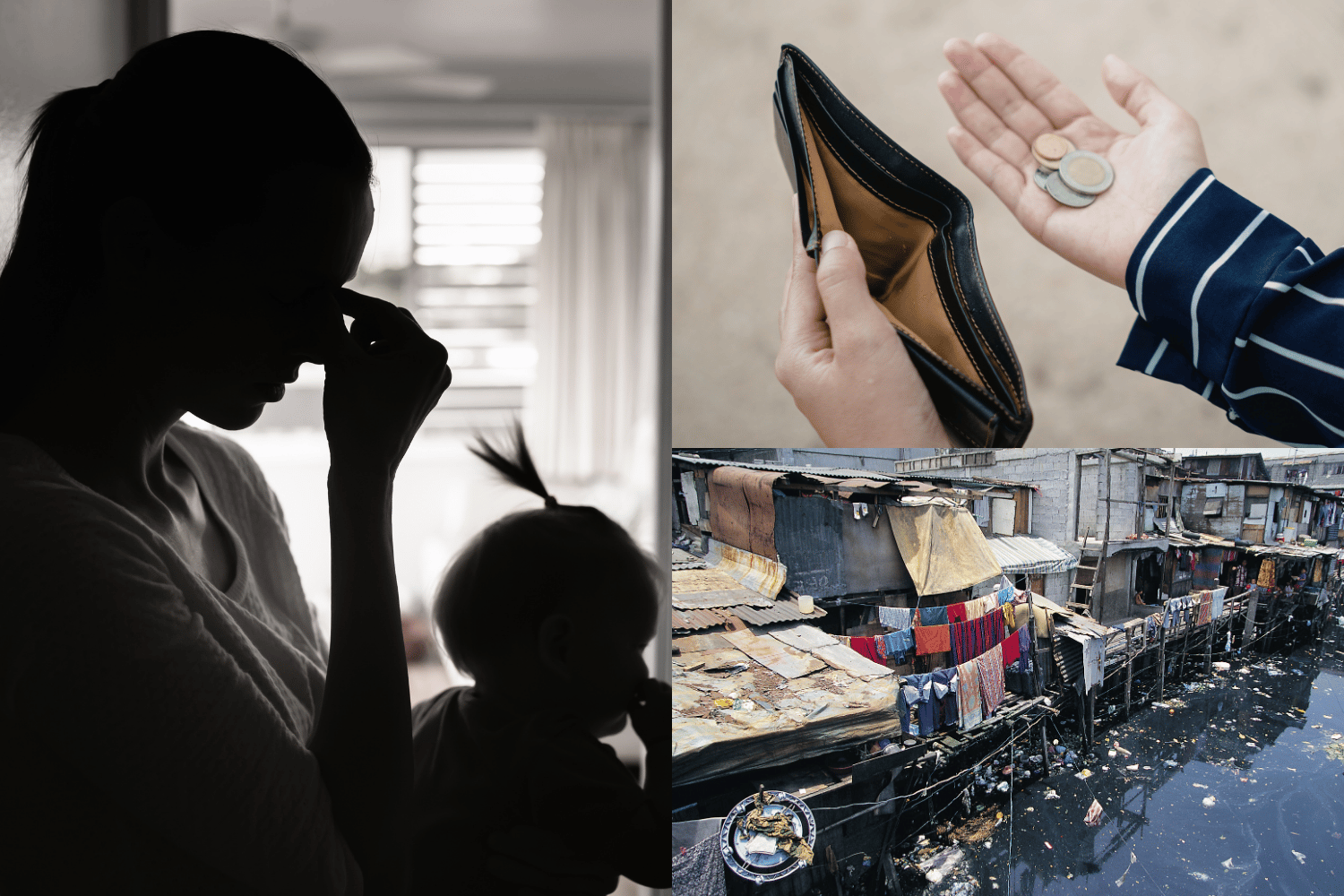
Mental health struggles can be shaped by poverty, overwork, and unsafe communities.
You wake up at 5 AM or earlier to prepare for work or school, brave the commute traffic, go through the day meeting deadlines, face the traffic again, then return home to more responsibilities before finally going to bed.
With routines like these, reminders to practice “self-care” can sometimes feel easier said than done.
That was the point raised by psychologist Raven Baldovino in a Threads post that has since resonated with many Filipinos online.
Baldovino said mental health cannot be separated from the conditions people live in. Using rest as an example of self-care, he said that while it is a biological and psychological need, access to rest has also become a political and economic issue.
“Maraming tao ang alam na kailangan nilang magpahinga, magset ng boundaries, o humingi ng tulong,” he said. “Ang problema, hindi lahat kayang gawin iyon nang walang kapalit. For many, self-care is not a matter of knowing what to do. It is a matter of having access to do it.”
He later shared a screenshot of his Threads post on Facebook, where he urged people to stop treating mental struggles as purely private failures.
Baldovino said poverty, unemployment, unsafe communities, discrimination, overwork, and limited access to care can all increase psychological distress.
“The person has a nervous system, but that nervous system is living inside a society,” he added.
The post got thousands of reactions and shares, with many users relating to Baldovino’s point.
“Today’s hustle culture celebrates the belief that ‘sleep is for the weak,’ overlooking the long-term damage that a lack of sleep can have on our health, performance, and overall well-being,” a user wrote in their caption while sharing the post.
A fellow psychologist who commented on a public share of Baldovino’s post said it is the “hardest part” of her job, noting that seeking help “is already a privilege not everyone can access even if needed.”
Baldovino’s argument reflects broader conditions that affect how Filipinos experience mental health, particularly when rest and recovery become difficult to prioritize.