Republic Act No. 11900, also known as the Vaporized Nicotine and Non-Nicotine Products Regulation Act governs the importation, manufacture, sale, packaging, distribution, and use of e-cigarettes, vapes, and heated tobacco products.
Traditional cigarettes remain legal and available due to government tax collection on tobacco.
For years, the Department of Health (DOH) has been vocal about the dangerous risks of vaping and this time, regulation is not enough. The DOH is pushing for a complete ban on electronic cigarettes and while it may look good on paper, will it just worsen the situation of the vape-ridden Philippines?
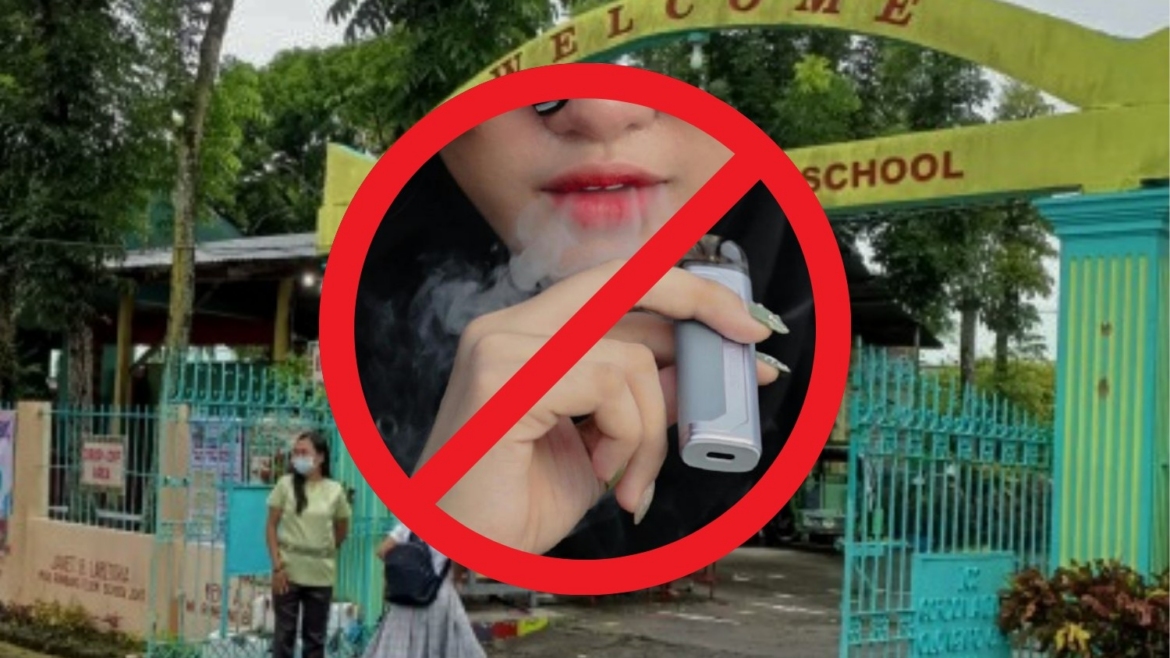
Once marketed to help smokers quit, vaping evolved into a hobby which many assume is harmless. Recent surveys and studies estimate 4 million people belong in the Filipino vaping community. About 14 percent (1.21 million) of Filipino youth and 2 percent (1.63 million) of adults use e-cigarettes based on a 2021 data from the Institute for Global Tobacco Control. The numbers conclude that the ‘vapedemic’ has greatly affected the youth.
It didn’t take long for e-cigarettes to pose deadly health complications, even claiming a 22-year-old athletic male’s life in 2024. This prompted the DOH to study the effects of Republic Act No. 11900, which ironically lowered the minimum age for purchasing vape from 21 to 18.
DOH urges legislators to consider public health and youth safety with Health Secretary Ted Herbosa citing ASEAN countries like Singapore and Thailand, and recently Myanmar completely prohibiting e-cigarettes. While the ban in these countries saw significant results, it wasn’t free from flaws, notably with the rise of vape-related smuggling and crime rates.
Oddly enough, traditional cigarettes—which kill over 88,000 Filipinos annually—remain legal and available due to government tax collection on tobacco. The ban may result in the vaping community and nicotine-addicted youth to switch to cigarettes instead.
The push for a complete ban on e-cigarettes may offer a handful of benefits, but the government and health organizations must double-down on managing the unintended consequences that will come with it.
Writer, storyteller, explorer... all in one: Rei is in pursuit of tales that offer inspiration and shape different perspectives. Beneath his quiet and reserved persona is an optimistic and carefree soul with a desire to form long-lasting bonds with everyone he meets.






Cyber libel complaint against Lokalpedia’s John Sherwin Felix dismissed for lack of basis