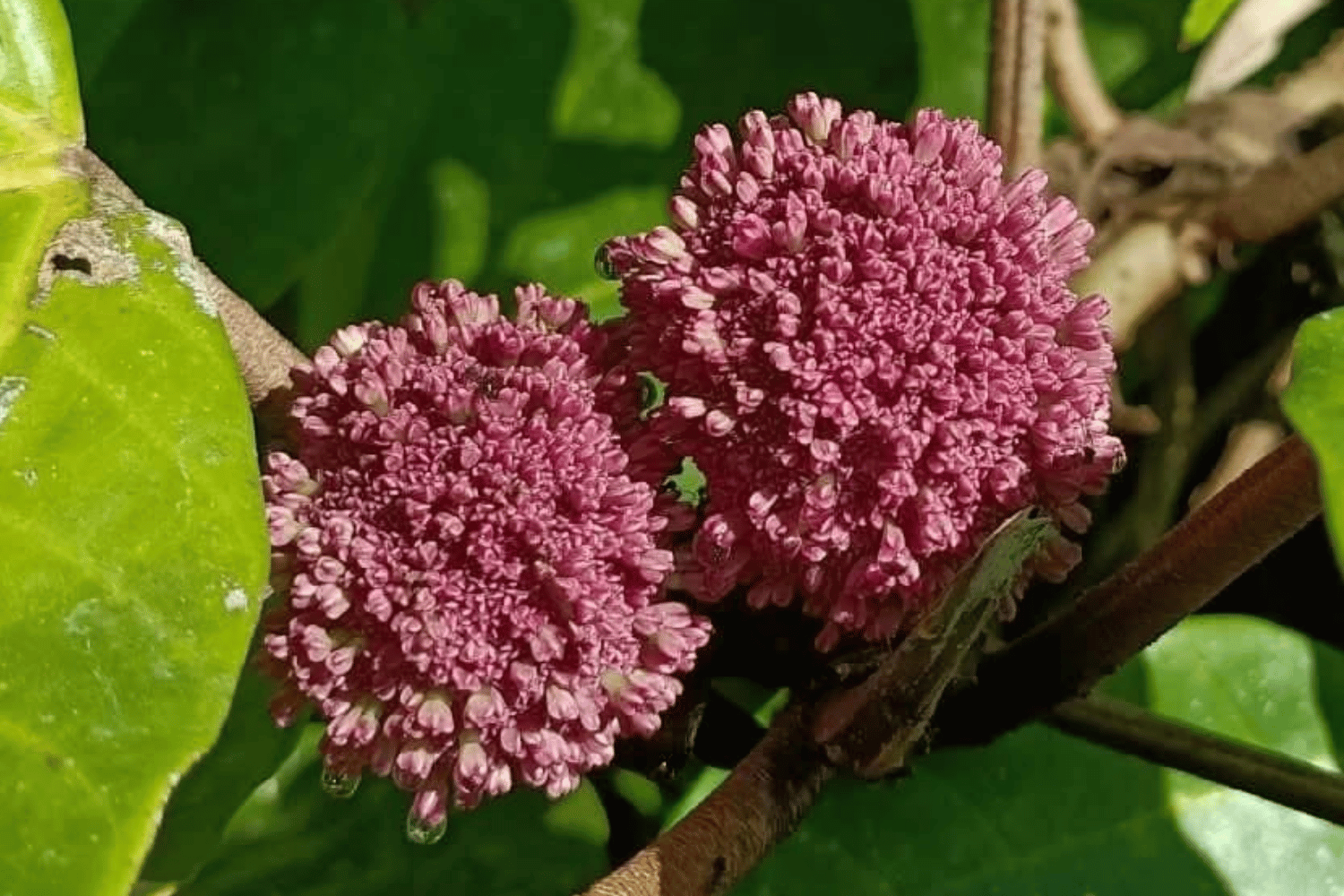
Many have compared it to a “natural Salonpas” due to its topical pain-relieving effect.
Imagine complaining about body pain to your lola decades ago.
Instead of reaching for a tube of ointment or a painkiller tablet, she might have asked someone to fetch hanopol from the nearest forest. The leaves and sap of the native vine were prepared into traditional remedies believed to ease aching muscles, swollen joints, inflammation, and even fever.
Science is now catching up with that centuries-old practice.
Known scientifically as poikilospermum suaveolens, hanopol is a native climbing vine found throughout the Philippines, particularly in lowland forests from Luzon to Mindanao. It is also known as gaka in parts of Aklan and has long been used in traditional medicine across the Philippines, Malaysia, and Indonesia.
Why our ancestors trusted it
For generations, indigenous communities and rural healers used hanopol’s sap, boiled leaves, and bark as natural remedies for muscle aches, body pains, inflammatory conditions, and fever. Because of its topical pain-relieving effect, many now compare it to a “natural Salonpas.”
Traditional knowledge passed the remedy from one generation to another long before researchers began studying what was actually inside the plant.
Science is backing the tradition
Modern research has begun validating those age-old practices.
Phytochemical studies have found that hanopol contains naturally occurring alkaloids, flavonoids, glycosides, and other bioactive compounds known for their analgesic (pain-relieving) and anti-inflammatory properties. Laboratory studies have shown that extracts from the plant can help reduce inflammation and relieve pain, lending scientific support to its long-standing use in folk medicine.
Researchers have also documented the plant’s antioxidant and antimicrobial properties. Separate studies suggest hanopol extracts may help speed up wound healing, while more recent laboratory research has explored their potential activity against certain cancer cells. Scientists stress, however, that these findings are still preliminary and should not be interpreted as proof that the plant can treat cancer in humans.
A plant many Filipinos have never heard of
Despite its medicinal reputation, hanopol isn’t rare.
The vine grows naturally across much of the Philippine archipelago, climbing trees in forests, riverbanks, limestone areas, and other moist tropical habitats. It is also native to Malaysia, Indonesia, Thailand, Vietnam, and other parts of Southeast Asia.
During its flowering season, hanopol produces distinctive pink to purplish pompom-like flower clusters that make it easy to recognize for experienced forest guides, hikers, and indigenous communities. Its fruits are also eaten by native birds, helping spread its seeds across the forest.
Ironically, while the plant remains common in the wild, many younger Filipinos have never heard its name.
Don’t self-medicate
Its medicinal reputation doesn’t mean people should immediately start picking vines and making homemade remedies.
Researchers warn that wild medicinal plants have no standardized dosage and may contain contaminants or trigger allergic reactions. Misidentifying plants can also be dangerous, as several toxic vines closely resemble harmless native species.
For that reason, hanopol should be appreciated as an important part of the country’s traditional medical knowledge—not as a substitute for professional healthcare. Anyone experiencing persistent or severe pain should still consult a licensed physician rather than rely solely on herbal remedies.
Hanopol is a reminder that many of the remedies our ancestors trusted were not simply based on folklore. In some cases, they were based on careful observation of nature—observations that modern science is only beginning to understand.
READ:

The Philippines has three plants named ‘tumbong-aso’—here’s why
radar Lifestyle
June 17, 2026

The santan flowers you played with as a kid can actually be eaten
Top Dagohoy
July 25, 2026
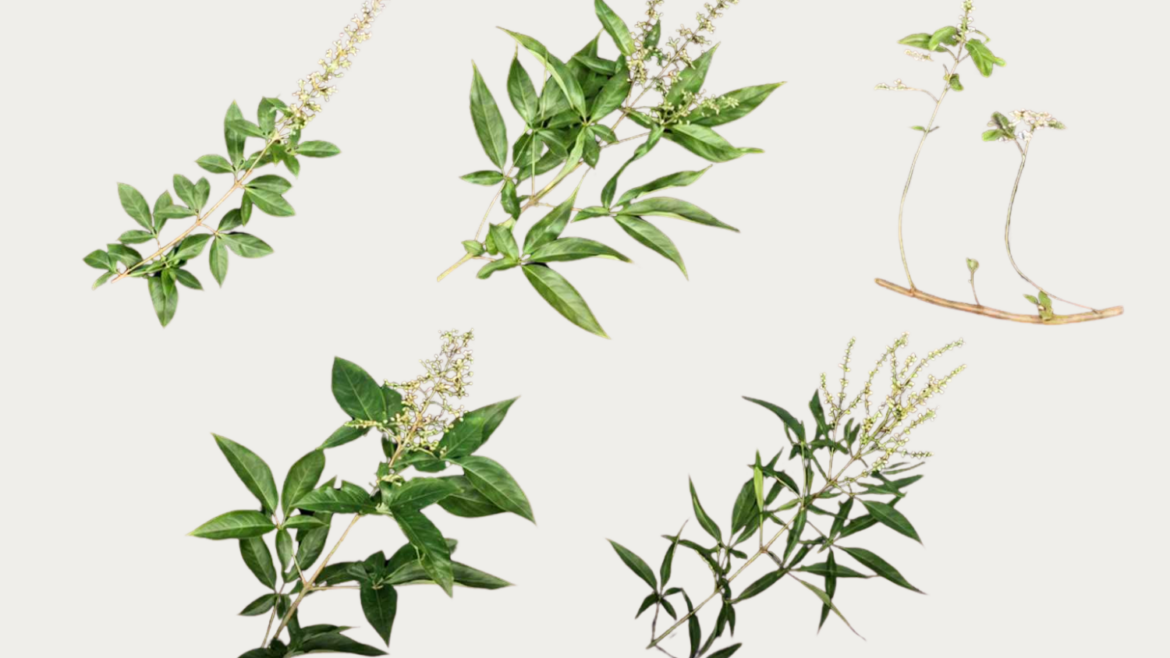
Scientists discover lagundi isn’t one plant—but five
Top Dagohoy
July 5, 2026