Filipinos can be brutally honest when naming plants.
Unlike scientists who prefer elegant Latin names, ordinary Filipinos often name plants based on exactly what they see, smell, or are reminded of. That’s how we ended up with colorful names like kantutan, tenga ng daga, dila ng baka, and perhaps the most eyebrow-raising of them all: tumbong-aso.
Yes, tumbong-aso.
The Tagalog term literally translates to “dog’s rectum,” making it one of the most memorable—and arguably most scandalous—plant names in the country.
But here’s the twist: tumbong-aso doesn’t refer to just one plant.
Across different parts of the Philippines, at least three entirely different species share the same eyebrow-raising nickname.
Why? Because generations of Filipinos apparently saw the same thing when they looked at these plants.
The stinky fruit
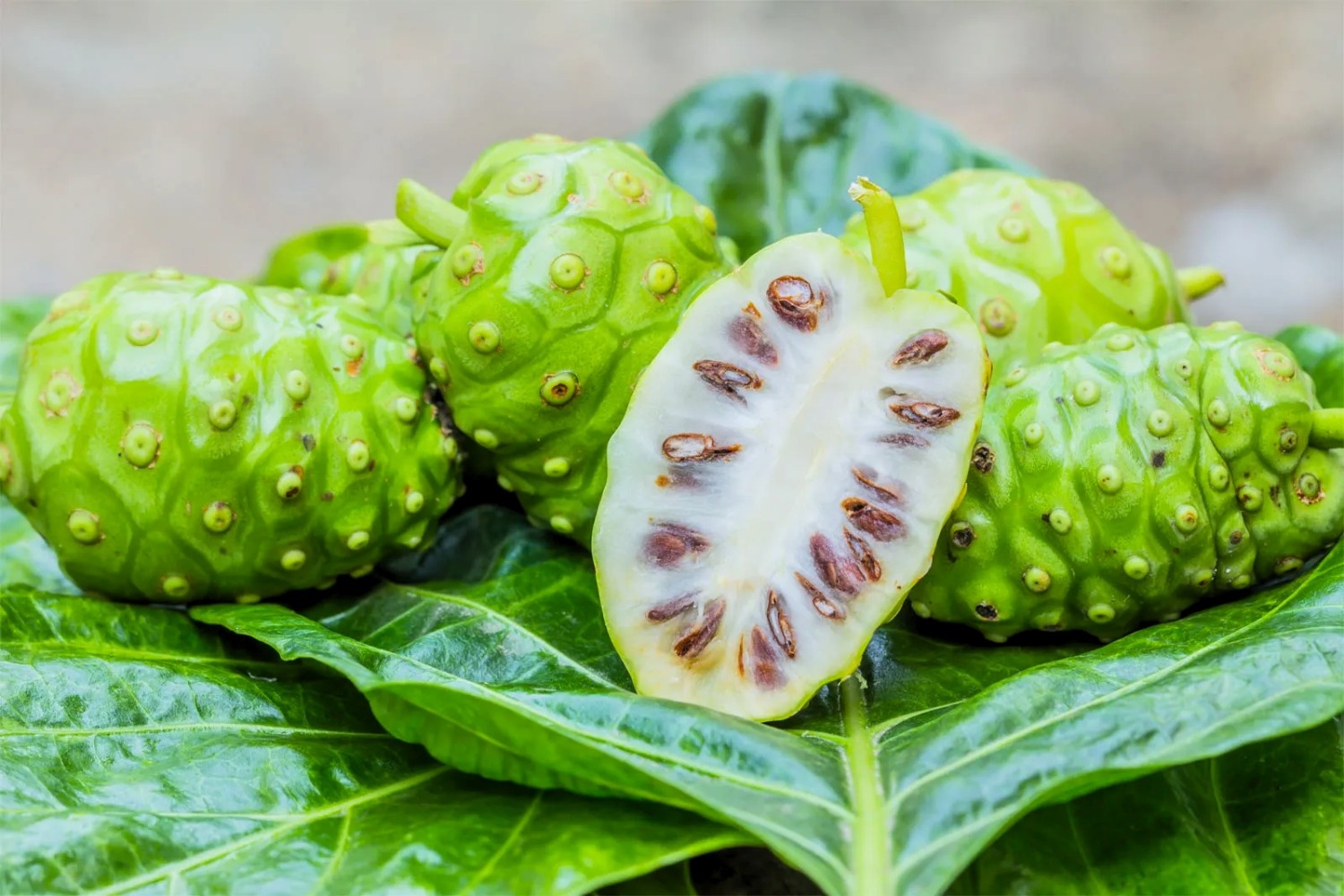
The most commonly known tumbong-aso is the noni tree, or Morinda citrifolia, also known locally as apatot or bangkuro.
It produces a lumpy, pale green fruit covered in small bumps and segments. As it ripens, the fruit becomes soft, translucent, and develops an odor so strong that many people compare it to rotting cheese.
The wrinkled appearance combined with the fruit’s notorious smell earned it the colorful name tumbong-aso.
Despite its unfortunate reputation, the plant has long been valued in traditional medicine. Folk healers have used the fruit juice for various ailments, while warmed leaves are often applied to aching joints.
Not exactly glamorous, but undeniably useful.
The ginger with the odd flower
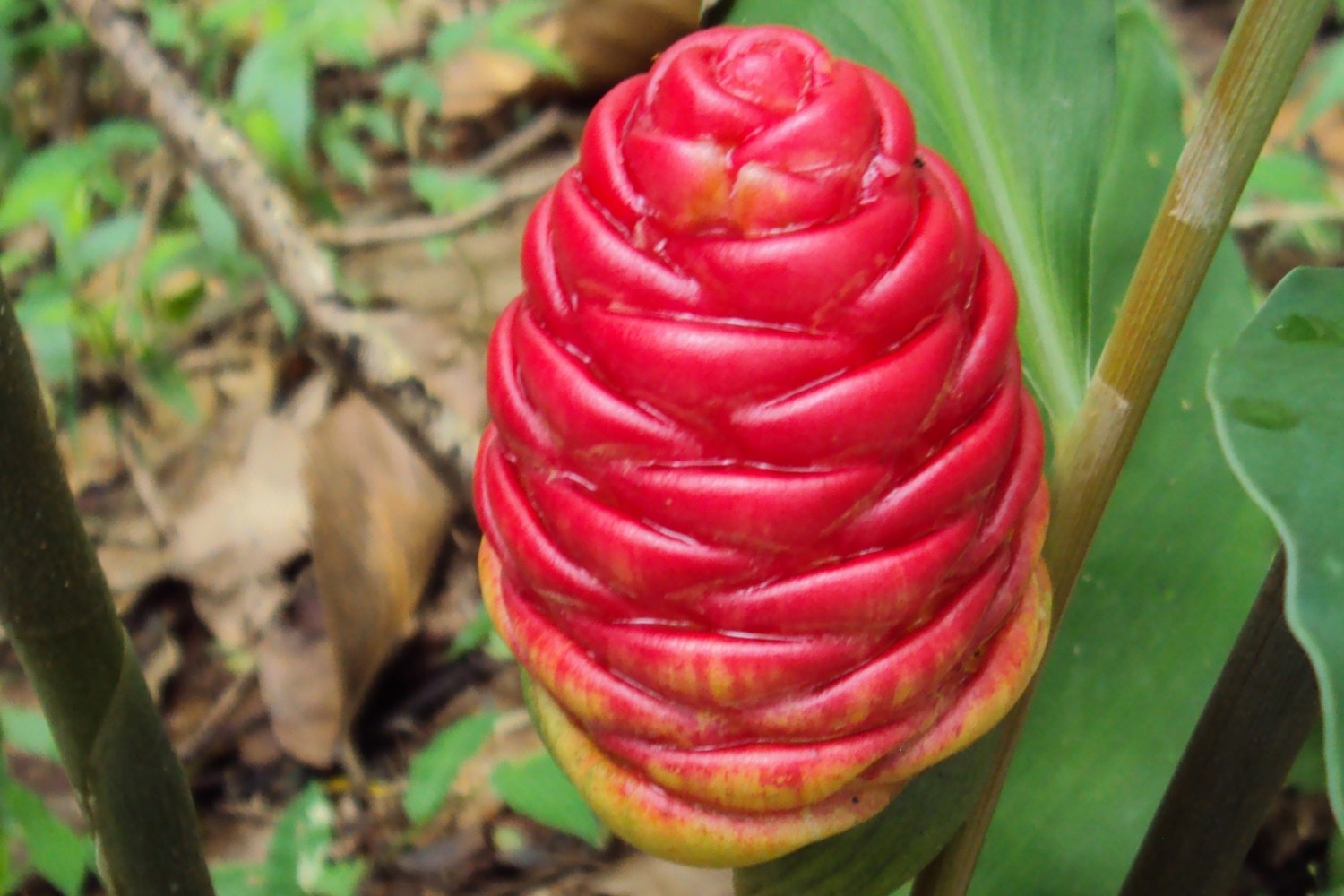
In some regions, tumbong-aso refers instead to shampoo ginger or luya-luyahan (Zingiber zerumbet).
Unlike the noni tree, this plant earned its nickname because of its unusual flower spike. Emerging directly from the ground, the cone-shaped structure is made of tightly packed scales that gradually turn from green to bright red.
Its squat, fleshy appearance apparently reminded locals of a certain anatomical feature.
The plant has a more pleasant reputation than its name suggests. When squeezed, mature flower cones release a slippery liquid once used as a natural shampoo, giving rise to its English nickname.
The showy cousin
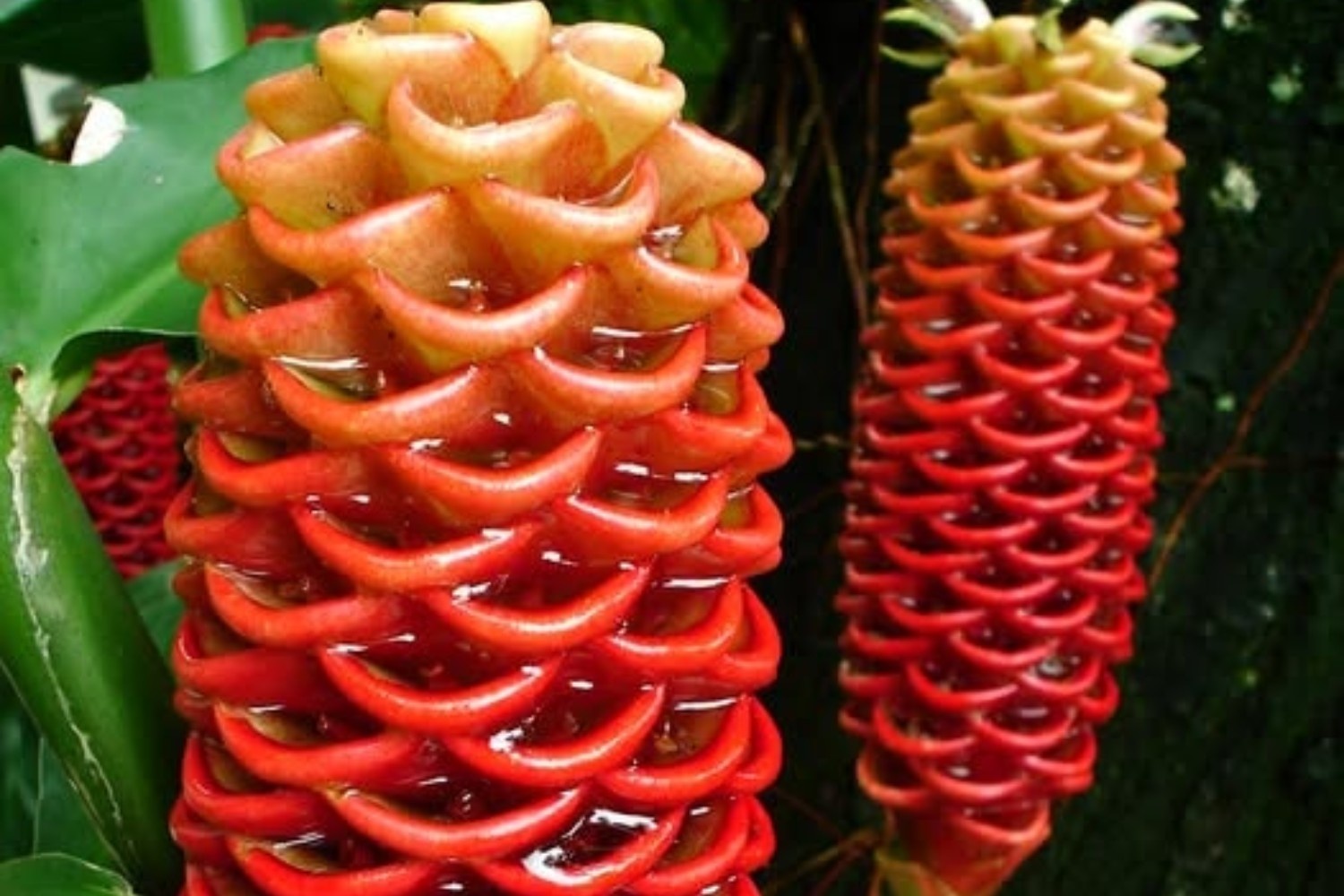
A third plant known as tumbong-aso is beehive ginger (Zingiber spectabile).
Popular in gardens and floral arrangements, it produces striking yellow, orange, and reddish cone-shaped blooms that resemble miniature beehives.
Its thick overlapping bracts closely resemble those of shampoo ginger, which likely explains why it inherited the same colorful nickname.
Fortunately for gardeners, most people prefer calling it beehive ginger rather than introducing it by its Tagalog name.
When Filipinos name things
The story of tumbong-aso is a reminder that folk names don’t always aim for elegance.
Sometimes they’re poetic. Sometimes they’re descriptive. And sometimes they’re so brutally honest that they survive generations without anyone bothering to come up with something more polite.
The next time you encounter a plant called tumbong-aso, remember that it could be a foul-smelling medicinal fruit, a bright red ginger flower, or an ornamental garden favorite.
Different plants, different uses, different appearances.
One unforgettable name.
And somewhere in the distant past, an observant Filipino looked at all three and thought exactly the same thing.