Banks and e-wallets gradually roll out services that simplify transfers and recurring payments.
Moving money between banks and e-wallets could soon become a one-app process, as the country’s digital payment system rolls out new features that reduce the need to jump between platforms.
The Bangko Sentral ng Pilipinas (BSP) and the Philippine Payments Management, Inc. (PPMI) have launched three new digital payment services designed to make everyday transactions simpler for consumers and businesses.
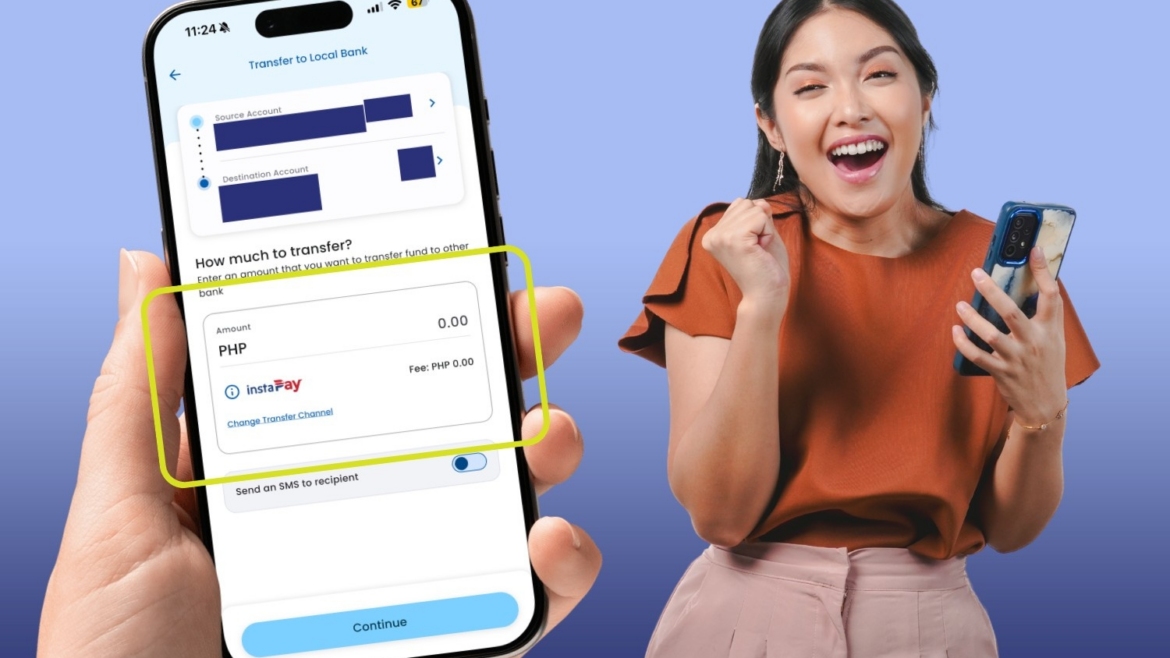
Among the new services is InstaPay Cash-In, a feature that allows users to add funds to a bank account or e-wallet directly from the receiving platform, without manually opening another banking or payment app to send the money.
For instance, a user who wants to add money to an e-wallet can start the transaction inside that e-wallet app, choose a linked bank or participating financial institution, and authorize the transfer there. The feature removes the need to separately open a banking app, enter account details, and initiate a traditional transfer.
The service is currently available through AllBank, BPI, China Bank, GoTyme, GCash, MariBank, ShopeePay, and UnionBank, with more banks and e-wallets expected to join in the coming months.
Another service, Direct Debit PH, lets users authorize companies to automatically collect recurring payments such as utilities, internet, insurance premiums, subscriptions, and loan amortizations. Once customers provide approval, companies can collect payments on scheduled dates, reducing the need for users to manually pay each bill cycle.
Meanwhile, InstaPay for Business raises the real-time transfer limit for registered businesses from ₱50,000 to ₱500,000 per transaction, allowing companies to send larger payments for payroll, suppliers, and other operating expenses without waiting for traditional banking hours.
The BSP said the new services are part of its push to make digital payments account for 60% to 70% of all retail transactions by 2028.
The rollout, however, will not happen overnight. Banks and electronic money issuers will need to integrate the new services into their platforms, with wider availability expected over the next one to two years.
READ: