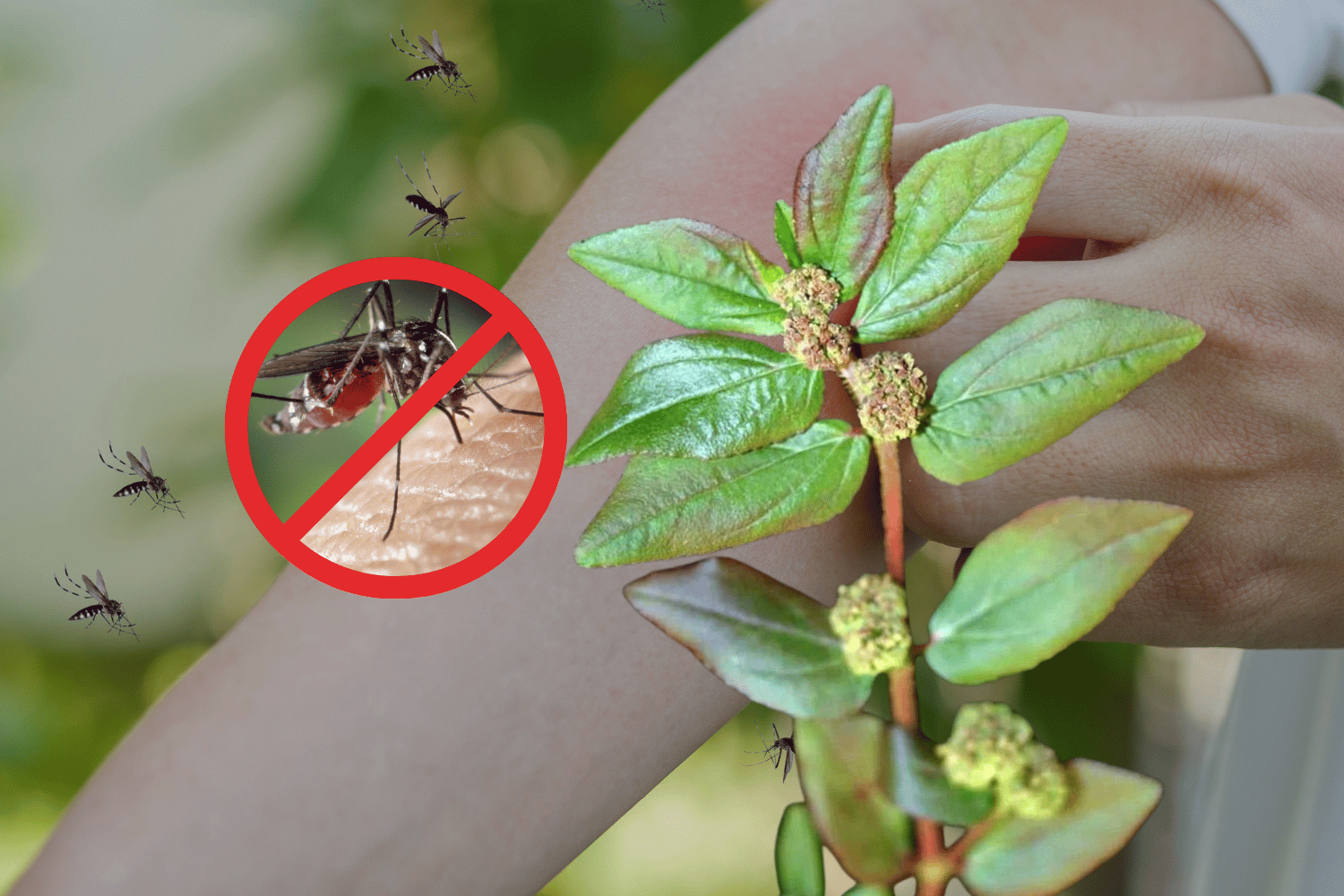
A Philippine clinical study found that patients who received tawa-tawa preparations experienced faster recovery.
Dengue fever remains one of the Philippines’ biggest public health threats despite a sharp decline in cases this year. The Department of Health (DOH) recorded 50,727 dengue cases nationwide from January to May 2026, down 56 percent from the 114,038 cases reported during the same period last year. Health authorities, however, continue to warn that the rainy season could trigger fresh outbreaks as mosquito breeding sites multiply.
Whenever dengue cases begin to rise, many Filipinos start looking not just for paracetamol or oral rehydration solutions, but also for tawa-tawa (Euphorbia hirta), a common roadside weed that has become the country’s best-known herbal remedy for the mosquito-borne viral disease.
Long regarded as a traditional home treatment, tawa-tawa is now attracting serious scientific attention. Philippine researchers have found evidence that the plant contains compounds that may help dengue patients recover by supporting platelet production and reducing bleeding risks. While experts stress that it is not a cure, studies suggest it can serve as a valuable supportive therapy when used together with proper hospital care and medical monitoring.
From folk remedy to science
For decades, families have boiled the leaves and stems of tawa-tawa into a bitter herbal tea for relatives diagnosed with dengue. The practice was passed down from one generation to another long before scientists began investigating whether the plant truly worked.
Today, research suggests there is scientific basis behind the tradition.
Dengue can become life-threatening because it destroys platelets—the blood cells responsible for clotting—and may lead to severe bleeding and plasma leakage. Studies show that tawa-tawa may help counter these effects in two ways: by stimulating the production of new blood cells while protecting existing platelets, and by improving the blood’s natural clotting ability to reduce bleeding risks. Laboratory experiments have reported significant reductions in both bleeding and clotting times after the use of tawa-tawa extracts.
What makes tawa-tawa work?
Scientists attribute the plant’s medicinal potential to naturally occurring compounds such as flavonoids, particularly quercetin, as well as phenolic compounds and alkaloids.
Quercetin has demonstrated antiviral activity in laboratory studies by interfering with the dengue virus’ ability to replicate inside infected cells. Meanwhile, other bioactive compounds appear to help increase platelet counts while reducing inflammation associated with the infection.
From the backyard to the lab
Interest in tawa-tawa has gone beyond laboratory experiments.
One Philippine clinical study involving 125 confirmed dengue patients found that around 70 percent of those who received tawa-tawa preparations alongside standard medical care experienced faster recovery, with quicker improvements in platelet counts, white blood cell levels, and fever compared with patients who received standard hydration alone.
The promising results encouraged the Department of Science and Technology (DOST), through its Tuklas Lunas Program, to further develop standardized tawa-tawa products. Researchers have since worked on spray-dried herbal extracts that provide consistent dosage and quality, eliminating the uncertainties of preparing herbal decoctions from plants gathered in backyards or along roadsides.
Not a cure
Despite the encouraging findings, doctors continue to caution against relying on tawa-tawa alone.
The Department of Health stresses that dengue patients still need prompt medical consultation, adequate hydration, regular blood tests, and hospital monitoring when necessary. Severe dengue can progress rapidly because of plasma leakage and internal bleeding—complications that require immediate medical intervention.
For this reason, tawa-tawa is regarded as a supportive therapy, not a substitute for professional treatment.
As dengue season returns each year, Filipinos continue searching for the small weed growing quietly beside walls, sidewalks, and vacant lots.
What was once dismissed as nothing more than a backyard remedy has steadily earned recognition from the scientific community—not as a miracle cure, but as a uniquely Filipino herbal medicine with evidence supporting its role in helping patients recover from one of the country’s most persistent mosquito-borne diseases.
READ:
Not what you think: The phallic plant that eats insects
radar Lifestyle
March 3, 2026

Scientists discover lagundi isn’t one plant—but five
Top Dagohoy
July 5, 2026
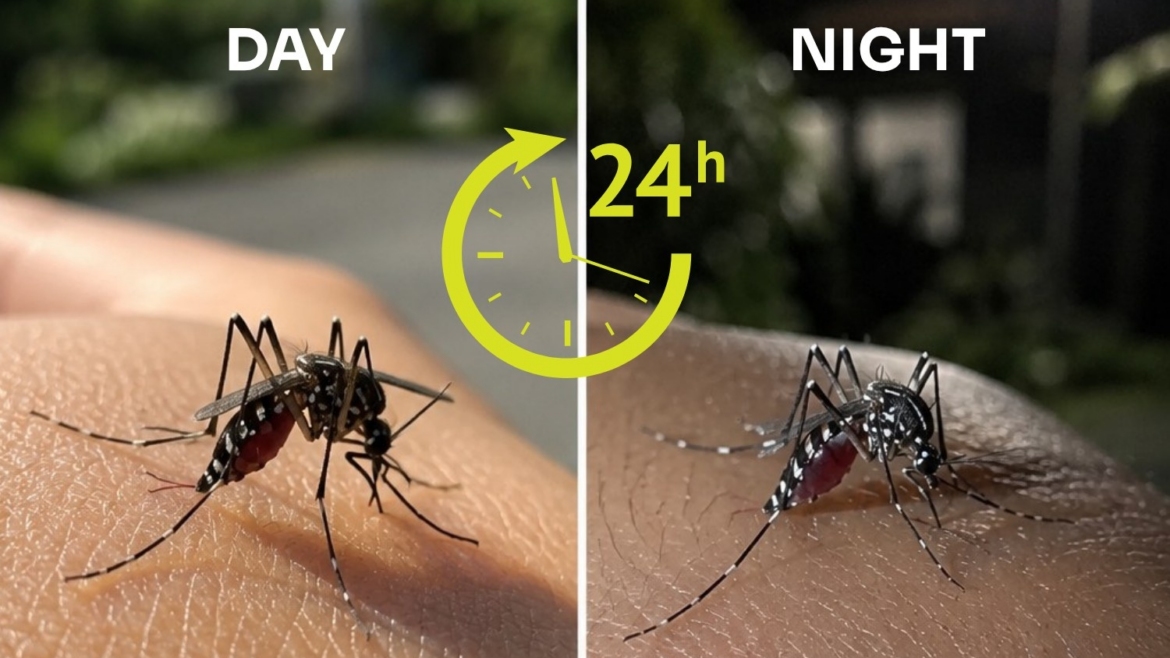
Dengue is now a day-and-night threat, says UPLB study
Top Dagohoy
July 29, 2026