Pakong-gubat is a nostalgic reminder when entertainment often came from the natural world.
For many who grew up in the province, childhood meant afternoons outdoors, where fields, riverbanks, and empty lots became playgrounds.
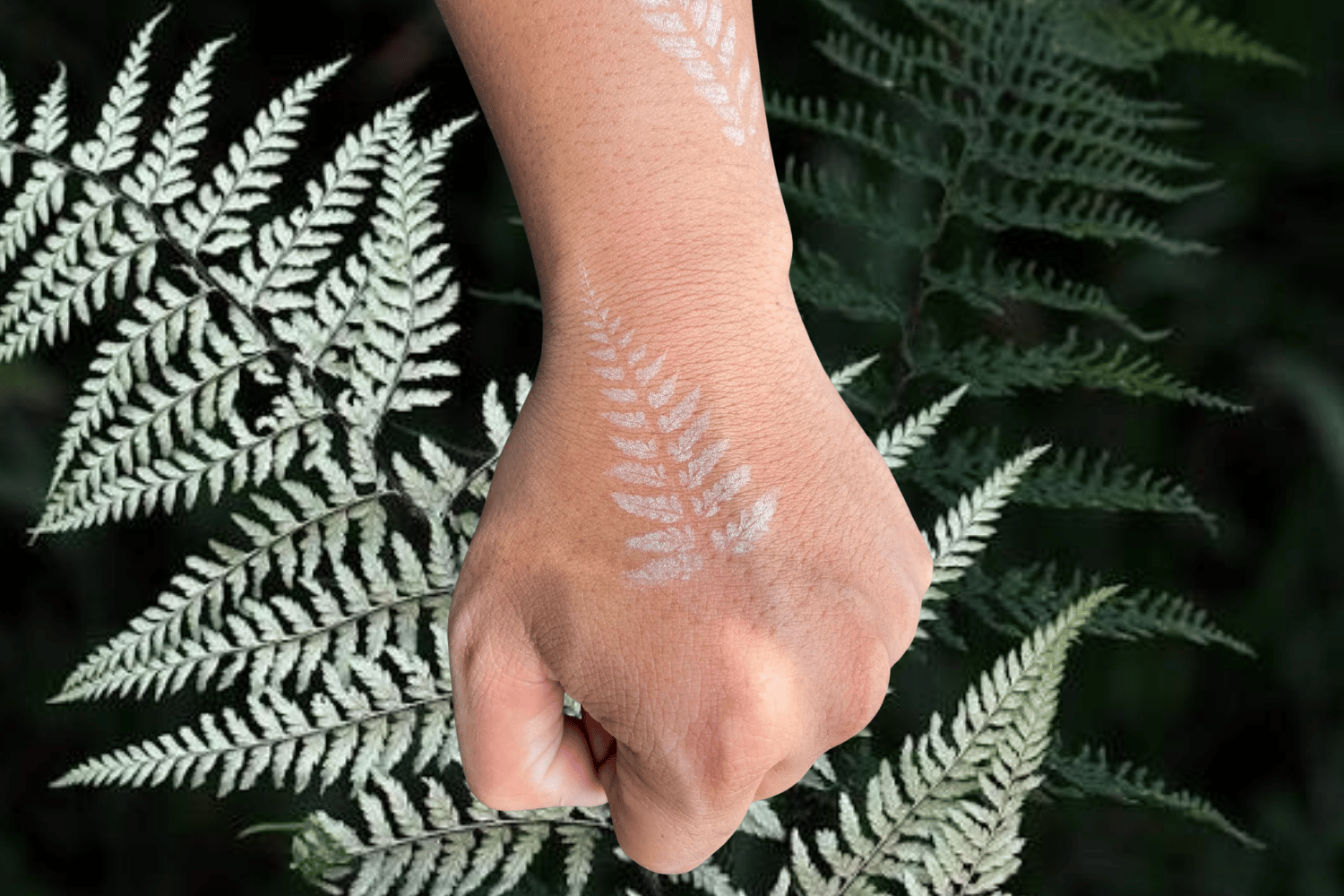
Among the plants that fueled children’s imagination was pakong-gubat (Pityrogramma calomelanos), a fern known for leaving temporary white patterns on the skin that resembled tattoos.
Known for the white, powdery coating beneath its fronds, pakong-gubat became a favorite among children who discovered that pressing its underside onto their skin left delicate white imprints resembling temporary tattoos. They lasted only until children rubbed them away or washed off.
The white coating is a natural waxy powder called farina, which protects the fern’s fronds from excessive sunlight and water loss.
Unlike tattoo ink, farina remains only on the surface of the skin, making the imprint completely temporary and harmless.
Commonly found along roadsides, fields, forest edges, and other open spaces throughout the Philippines, pakong-gubat is one of the country’s most widespread wild ferns. Its distinctive silvery-white underside has fascinated generations of children who stumbled upon it during outdoor play.
The fern’s natural “tattoos” have since become a recurring topic online, where Filipinos share childhood memories and photographs of the white leaf prints.
While the practice is less common today, pakong-gubat remains a nostalgic reminder of a time when entertainment often came from the natural world.
What appeared to be an ordinary fern became a source of creativity, curiosity, and play; proving that some of childhood’s most memorable experiences required nothing more than a walk outdoors.
READ: