From backyard gardens to local stews.
For most Filipinos, flowers are something to admire, smell, or display in vases. But what if some of the blooms growing in your backyard could actually end up on your dinner plate?
Long before edible flowers became fashionable in fine-dining restaurants, Filipinos were already harvesting blossoms from their gardens, farms, and even roadside trees to add flavor, texture, and color to everyday dishes. From the katuray flowers hanging from a backyard tree in Ilocos to the squash blossoms peeking out of a vegetable patch, some of the country’s most beautiful plants have long doubled as food.
In many cases, the next ingredient for lunch may be blooming just a few steps from your front door.
Katuray: The Ilocano favorite
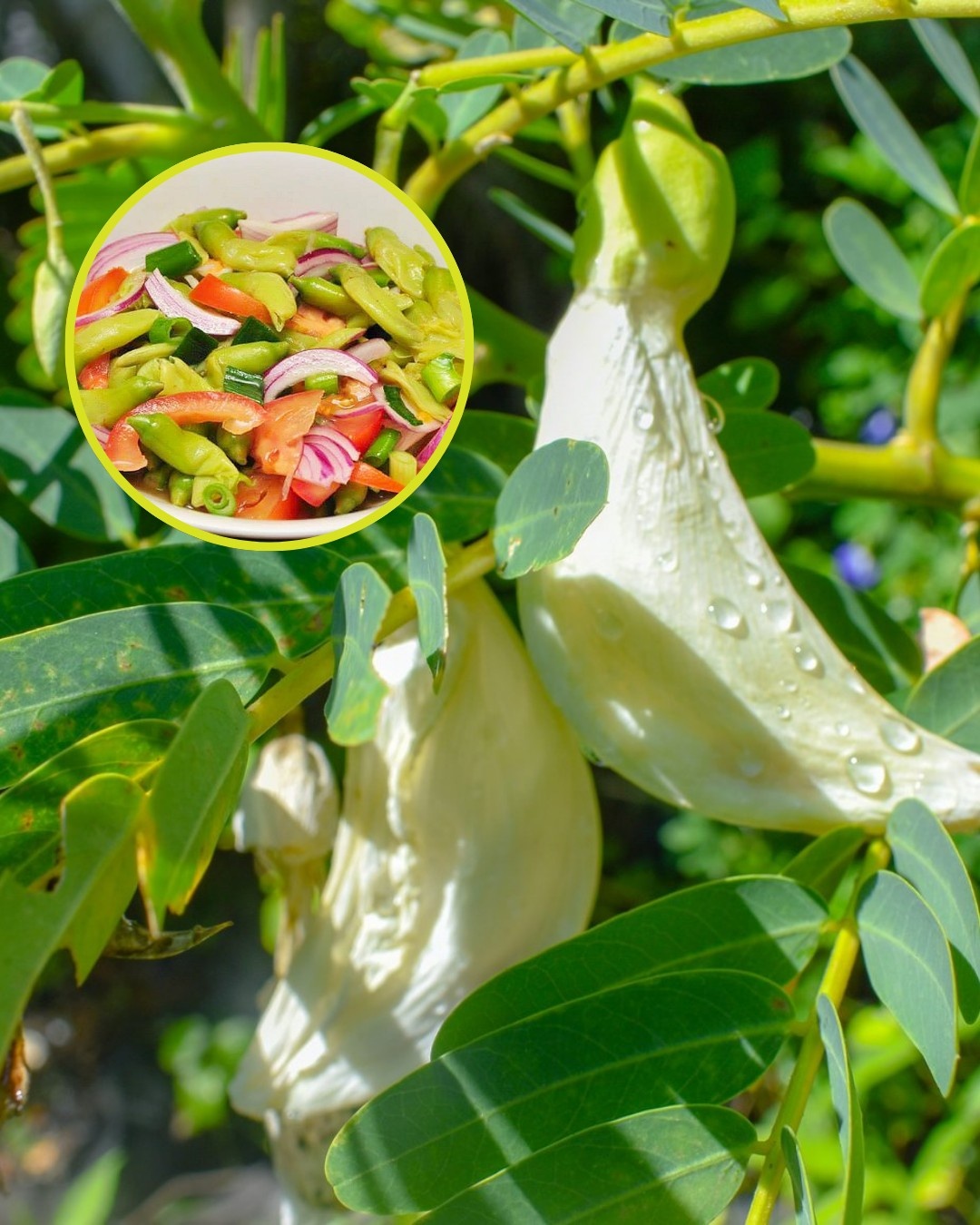
In Northern Luzon, particularly in Ilocos, katuray flowers are a beloved ingredient known for their slightly bitter flavor.
The white or pink blossoms are commonly blanched and mixed into pinakbet and dinengdeng. They are also enjoyed as a simple salad tossed with tomatoes, onions, and bagoong. For many Ilocanos, the distinct taste of katuray is a reminder of home and tradition.
Bulaklak ng kalabasa: the everyday blossom
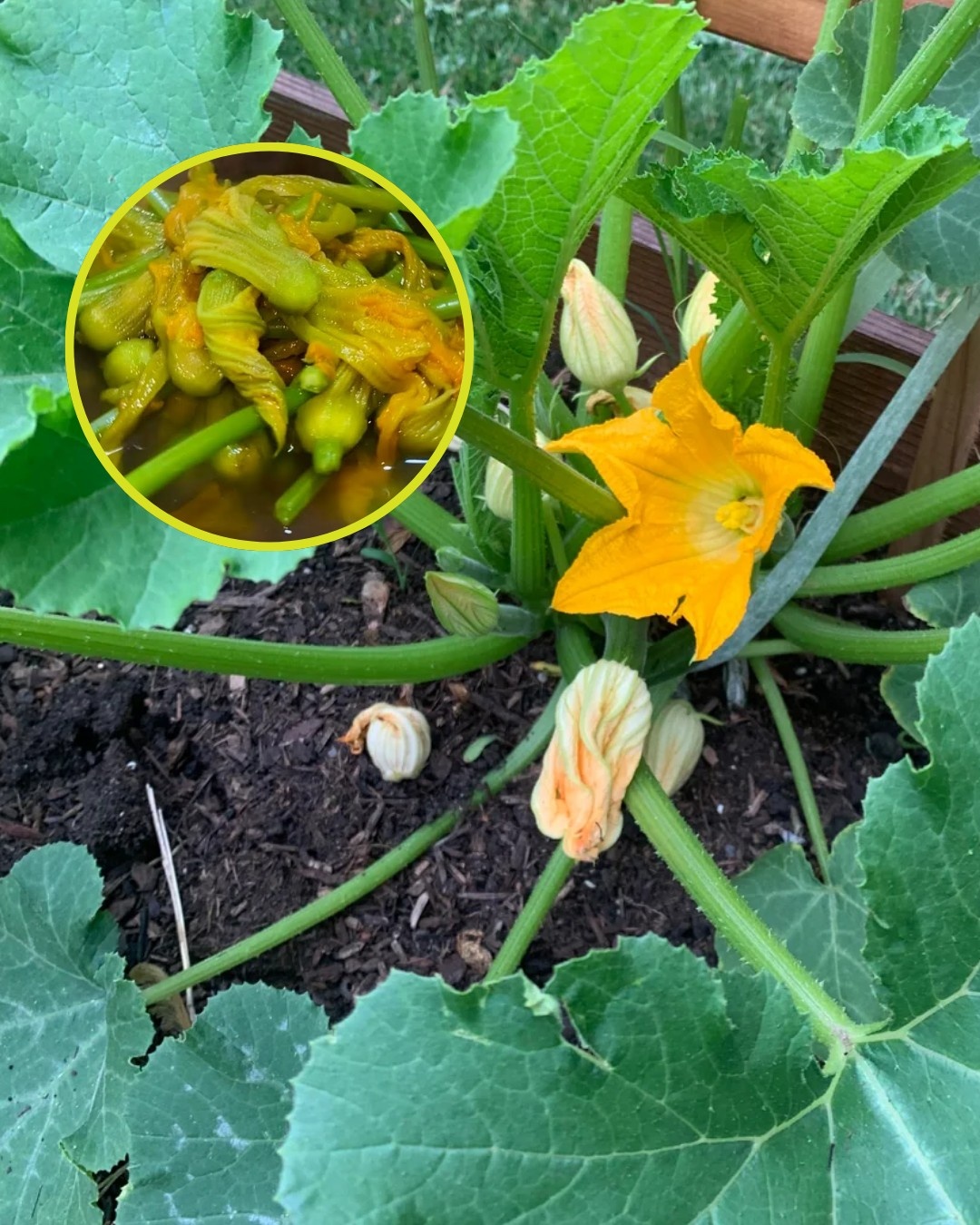
Squash blossoms are among the most widely consumed flowers in the country.
Their mild sweetness makes them a natural addition to vegetable dishes such as bulanglang and ginisang gulay. Some cooks stuff the blossoms with meat, cheese, or vegetables before frying them into crispy appetizers. Delicate yet flavorful, they prove that even flowers can be comfort food.
Malunggay flowers: The hidden superfood
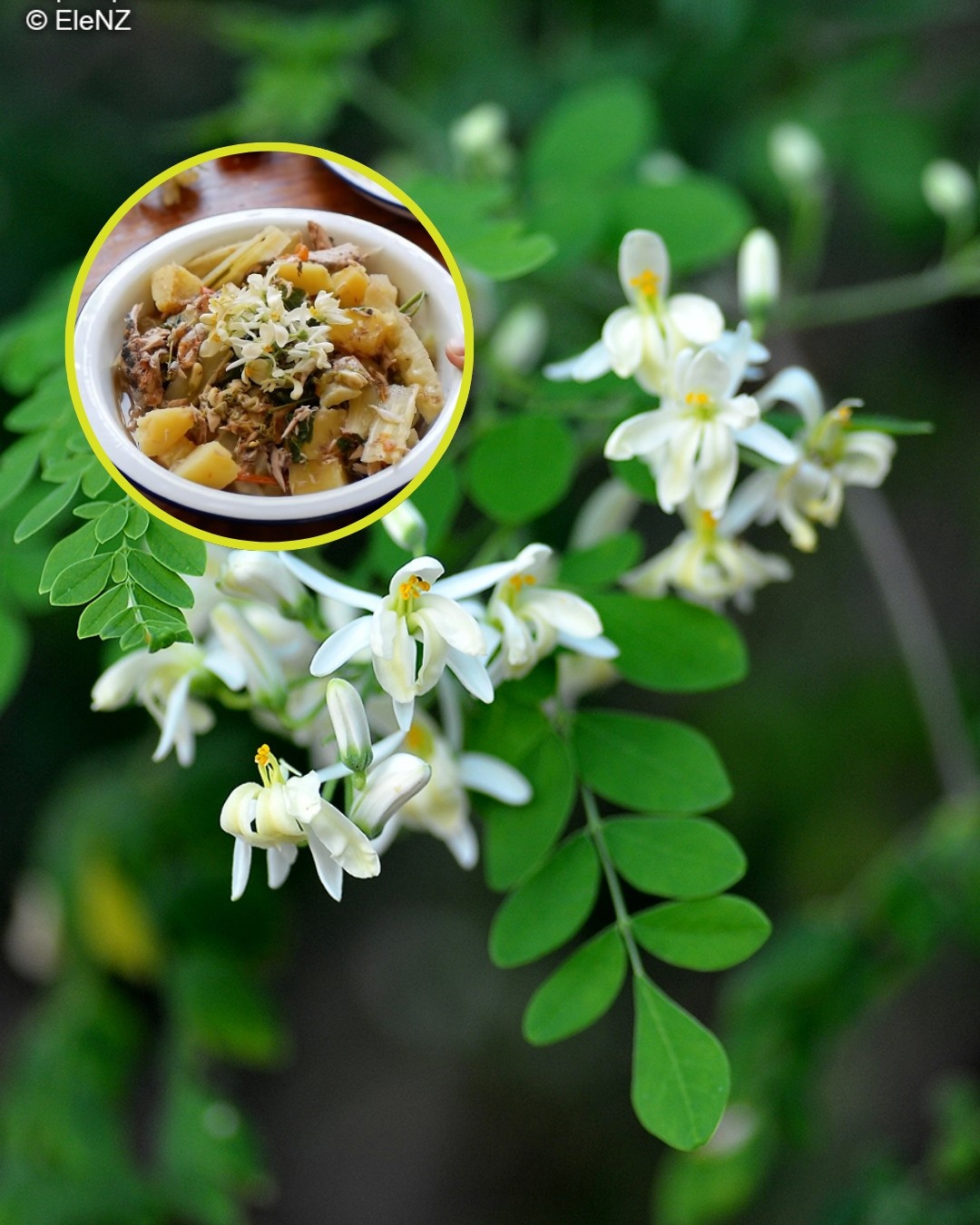
While malunggay leaves are celebrated for their nutritional benefits, the flowers are often overlooked.
These small white blossoms have a subtle nutty flavor and are commonly added to broths and vegetable soups in parts of Northern Luzon. Like the leaves, they are rich in nutrients and contribute both flavor and texture to simple home-cooked meals.
Sabidukong: The wild ilocano delicacy
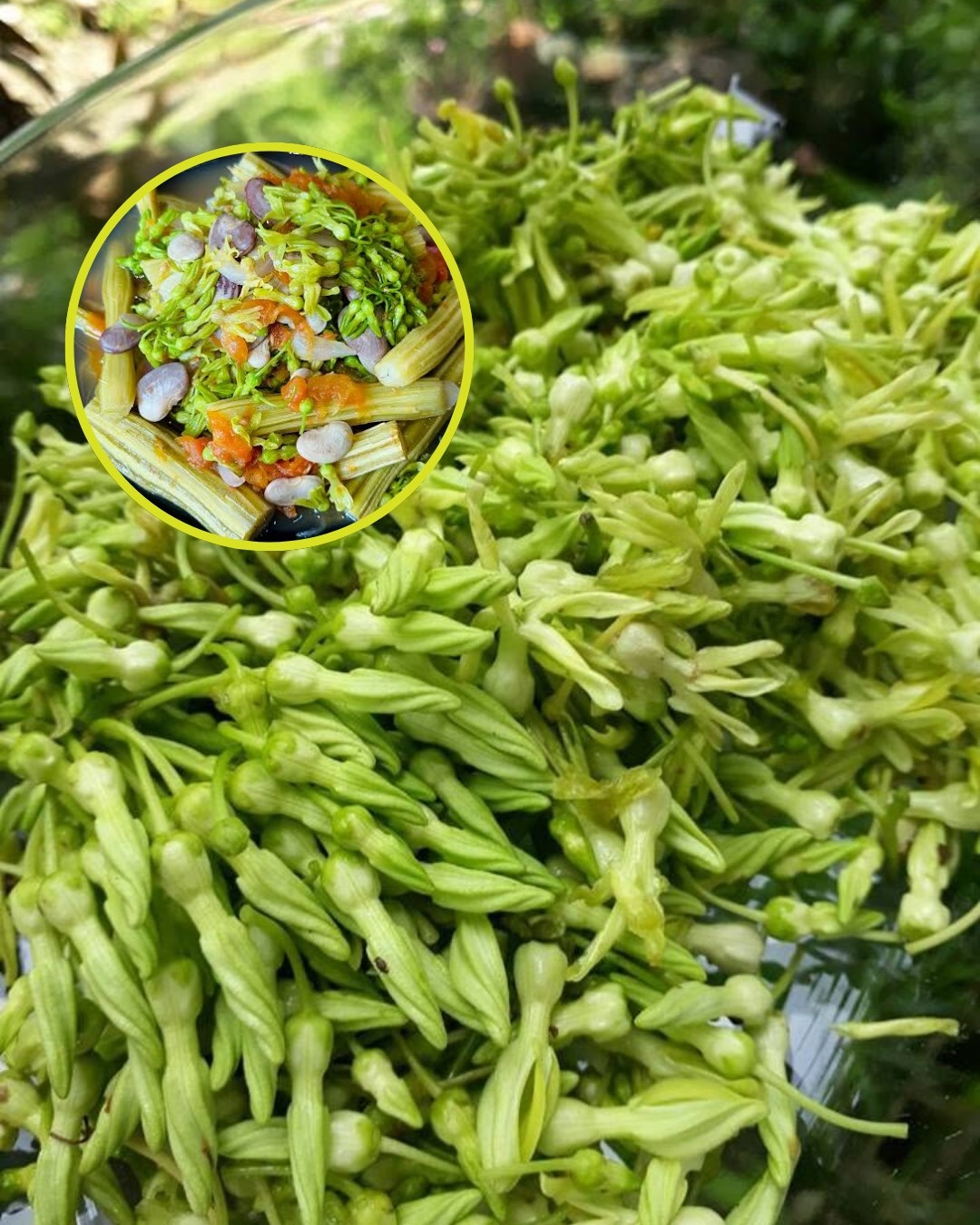
Sabidukong, a seasonal vine flower prized in Ilocano communities, is one of the country’s lesser-known edible blooms.
Its crisp texture and mild aroma make it a favorite ingredient in traditional dishes such as buridibod and fish-based soups. Because it is seasonal and not commonly sold in markets, many regard it as a special culinary treat.
Malabulak: The flower of the silk cotton tree
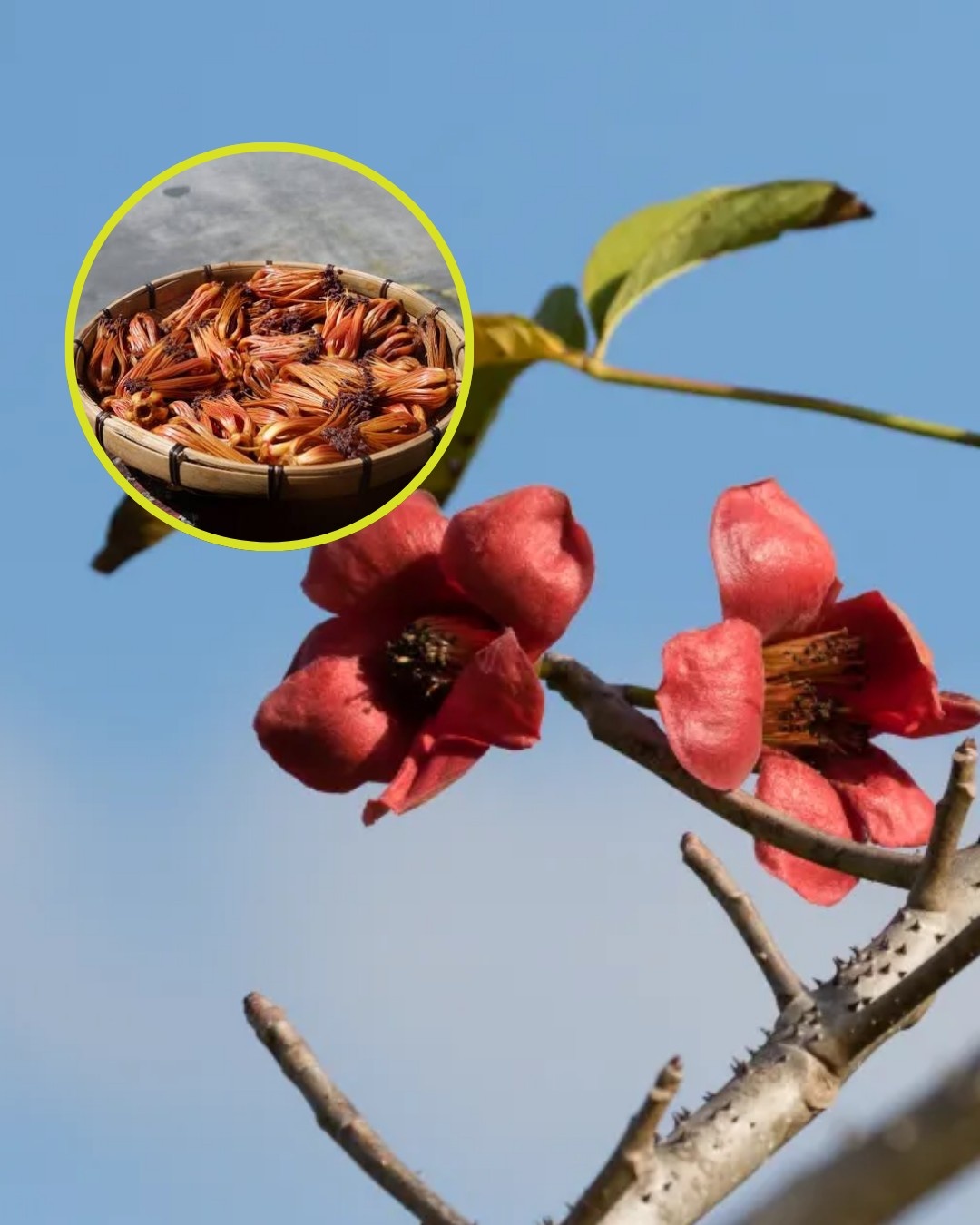
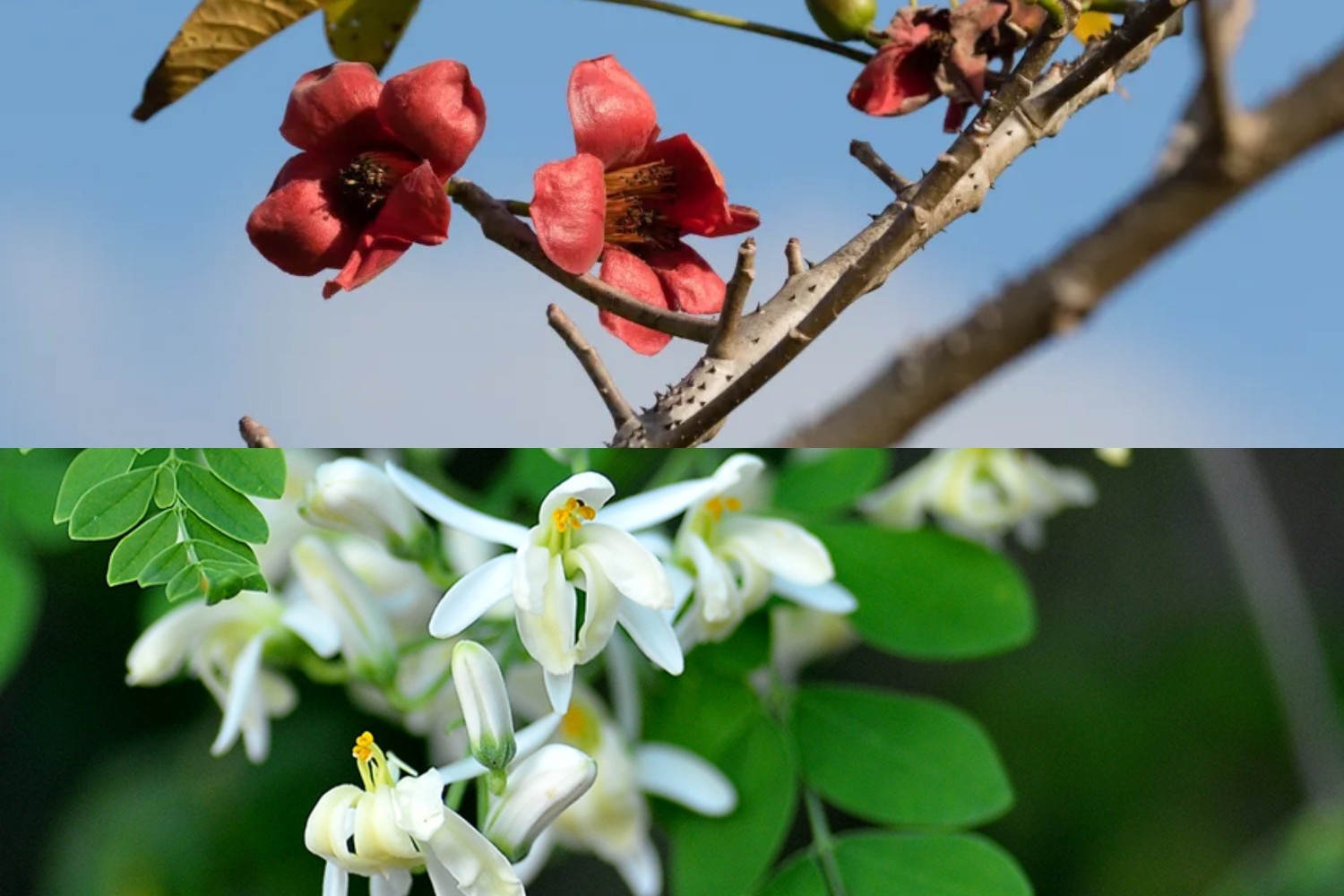
The striking red blossoms of the native malabulak tree are more than just eye-catching.
In parts of Bulacan, Laguna, and Davao de Oro, the fleshy petals are cleaned and added to heirloom stews. Others coat them in batter and fry them into a local version of tempura. Their bright color and unique texture make them one of the country’s most unusual edible flowers.
Puso ng saging: The flower that feeds a nation
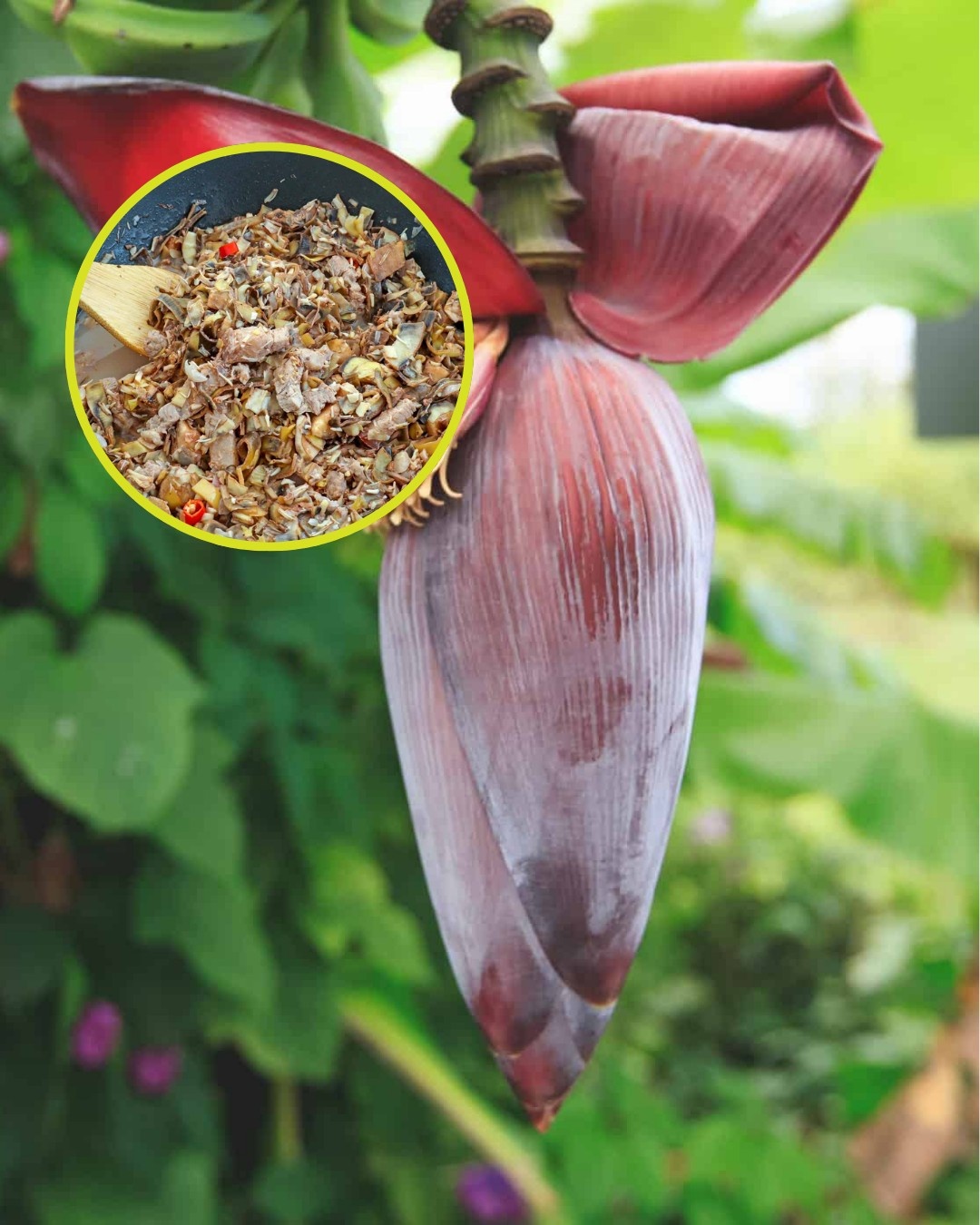
Technically a flower cluster rather than a single bloom, puso ng saging remains one of the most important flower ingredients in Filipino cuisine.
It serves as the star of dishes such as kilawin ng puso ng saging and ginataang puso ng saging, while also acting as an extender in kare-kare and other stews. Its meaty texture has even made it popular among vegetarians seeking plant-based alternatives.
Blue ternate: The flower that turns food blue
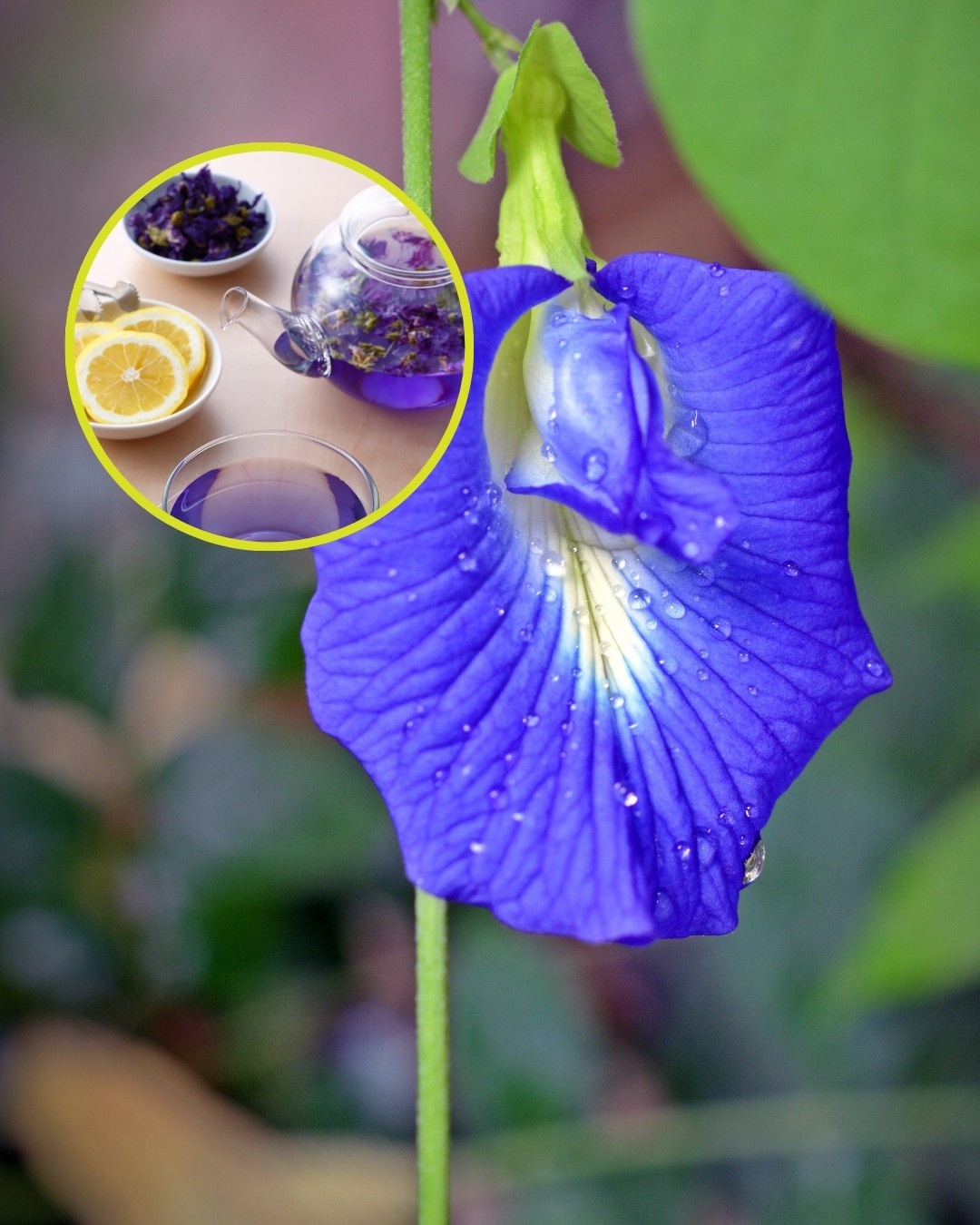
Few flowers have captured modern Filipino food lovers quite like blue ternate.
Known internationally as butterfly pea, its petals release a vivid blue pigment when steeped in water. The flower is now used to color rice, pastries, lemonades, cocktails, and herbal teas. Beyond its visual appeal, it is also valued for its antioxidant content.
Gumamela: From garden to teacup
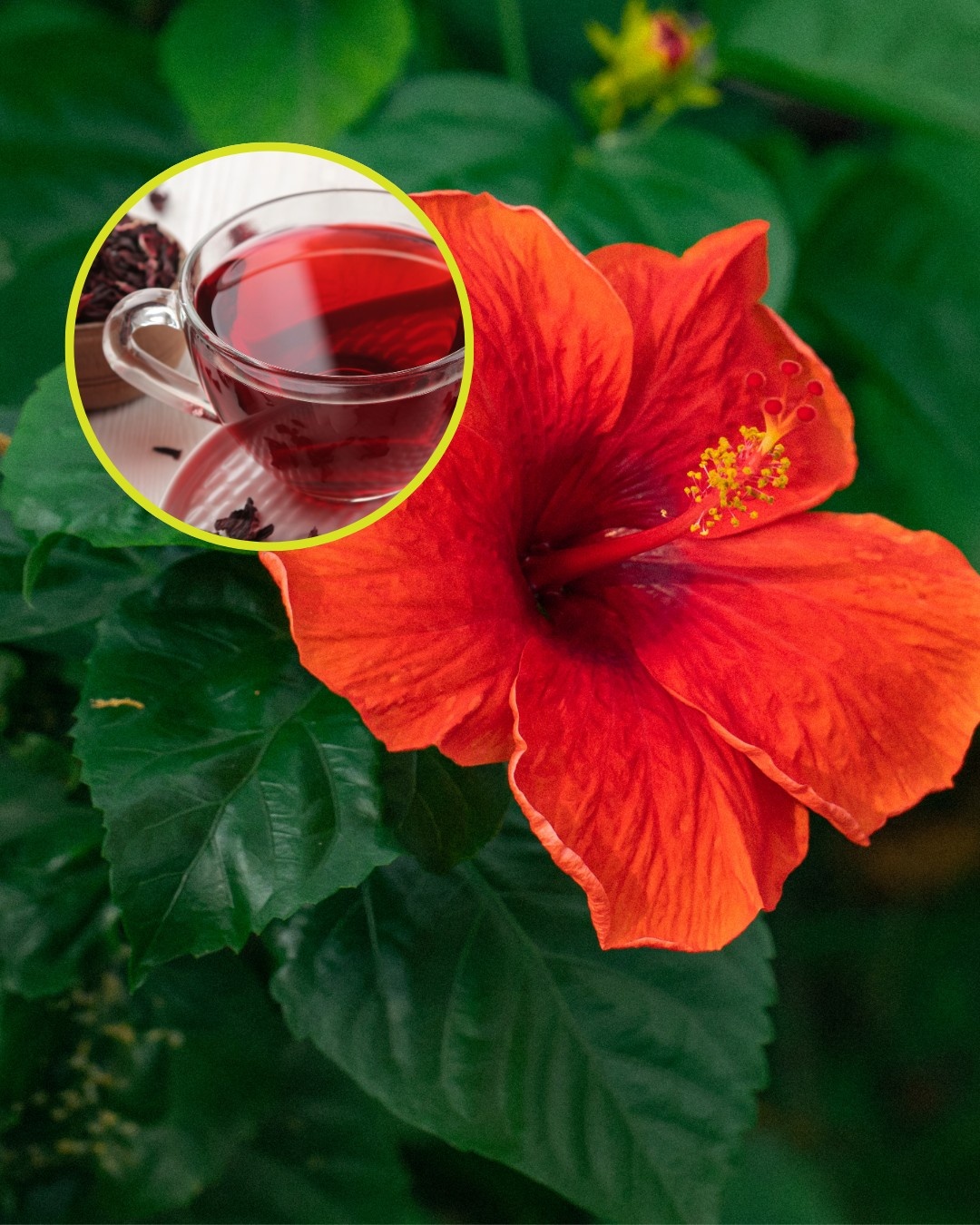
The humble gumamela is no longer just a backyard ornamental plant.
Its petals can be dried and brewed into herbal tea with a pleasantly tart flavor reminiscent of berries. Some home cooks also transform it into syrups, jams, and candied flowers that add color and flavor to desserts.
Santan and bougainvillea: Bakers’ new favorites
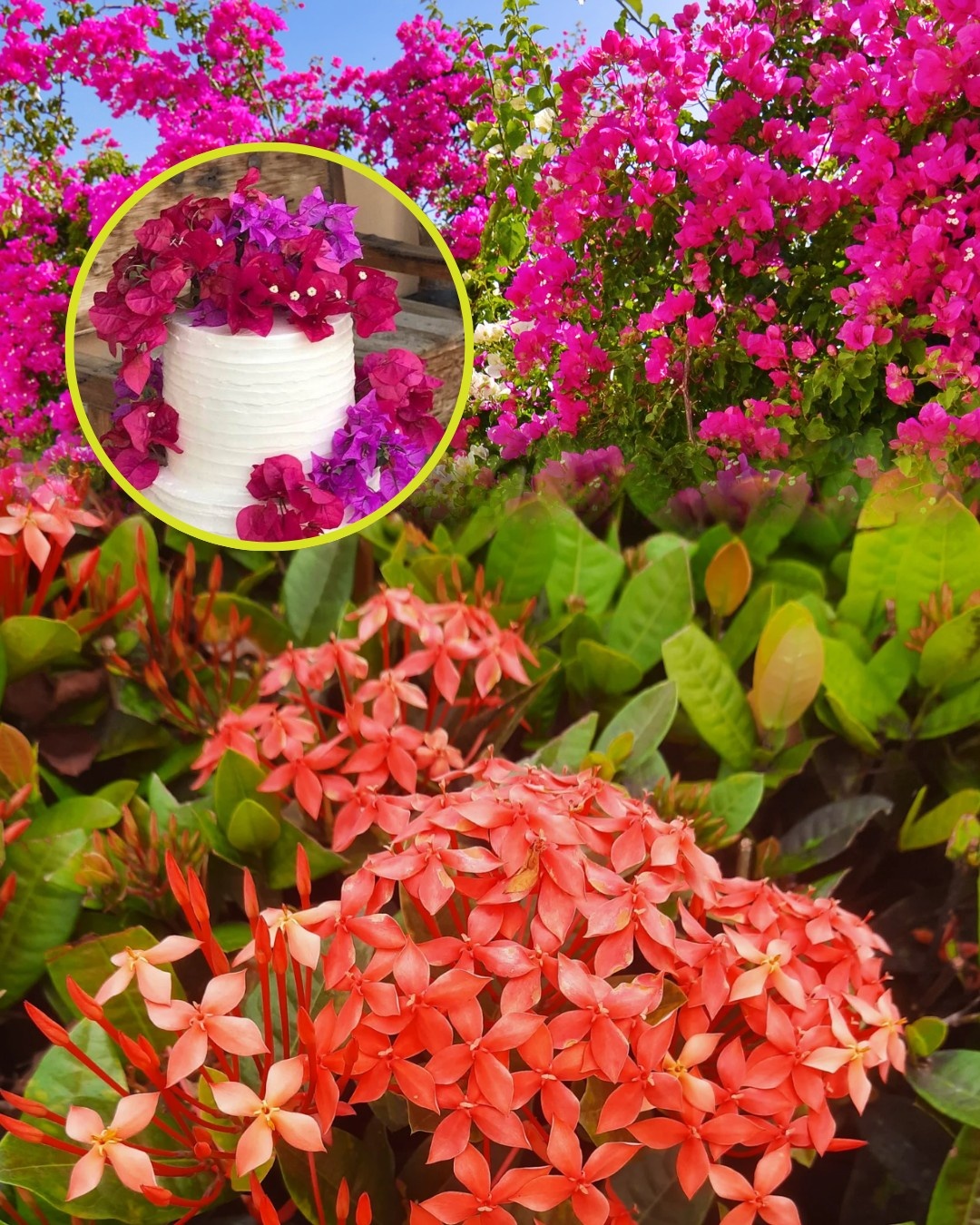
Many Filipinos grew up sipping the sweet nectar from santan flowers without realizing they were edible.
Today, both santan and bougainvillea petals are finding their way into artisanal baking. Bakers press the colorful blooms onto cookies, biscuits, and cakes to create visually stunning treats that celebrate local flora.
Flowers for the fine-dining table
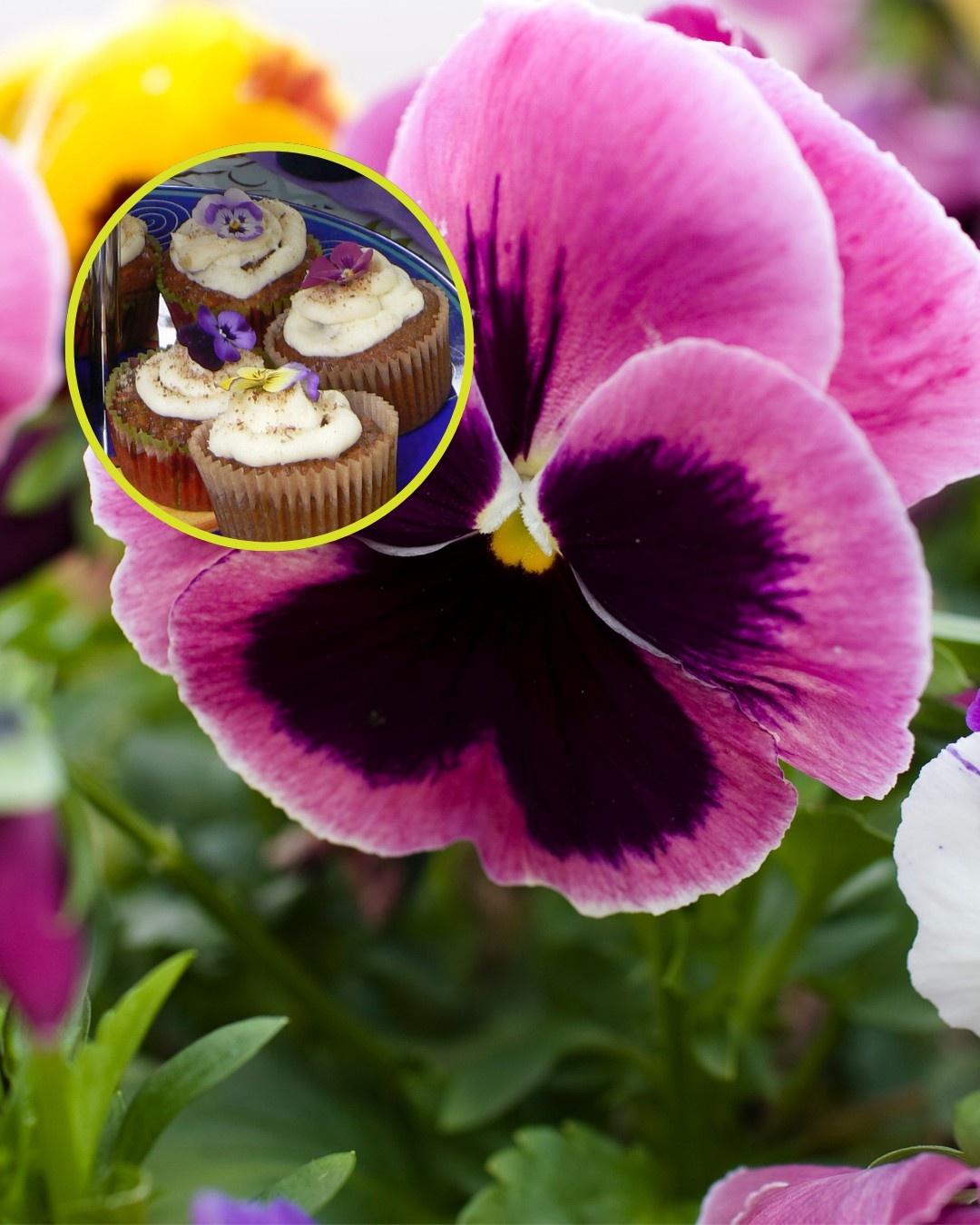
A growing number of local farms now cultivate edible pansies, nasturtiums, cosmos, and marigolds specifically for restaurants.
Pansies provide a fresh, slightly minty flavor, while nasturtiums offer a peppery bite similar to radish. These blooms often appear atop salads, desserts, and plated entrées, proving that flowers can be more than decoration—they can be ingredients in their own right.