Improving LRT-2 should look at how passengers move through stations, how trains are dispatched, and how much capacity the system will need amidst ridership growth.
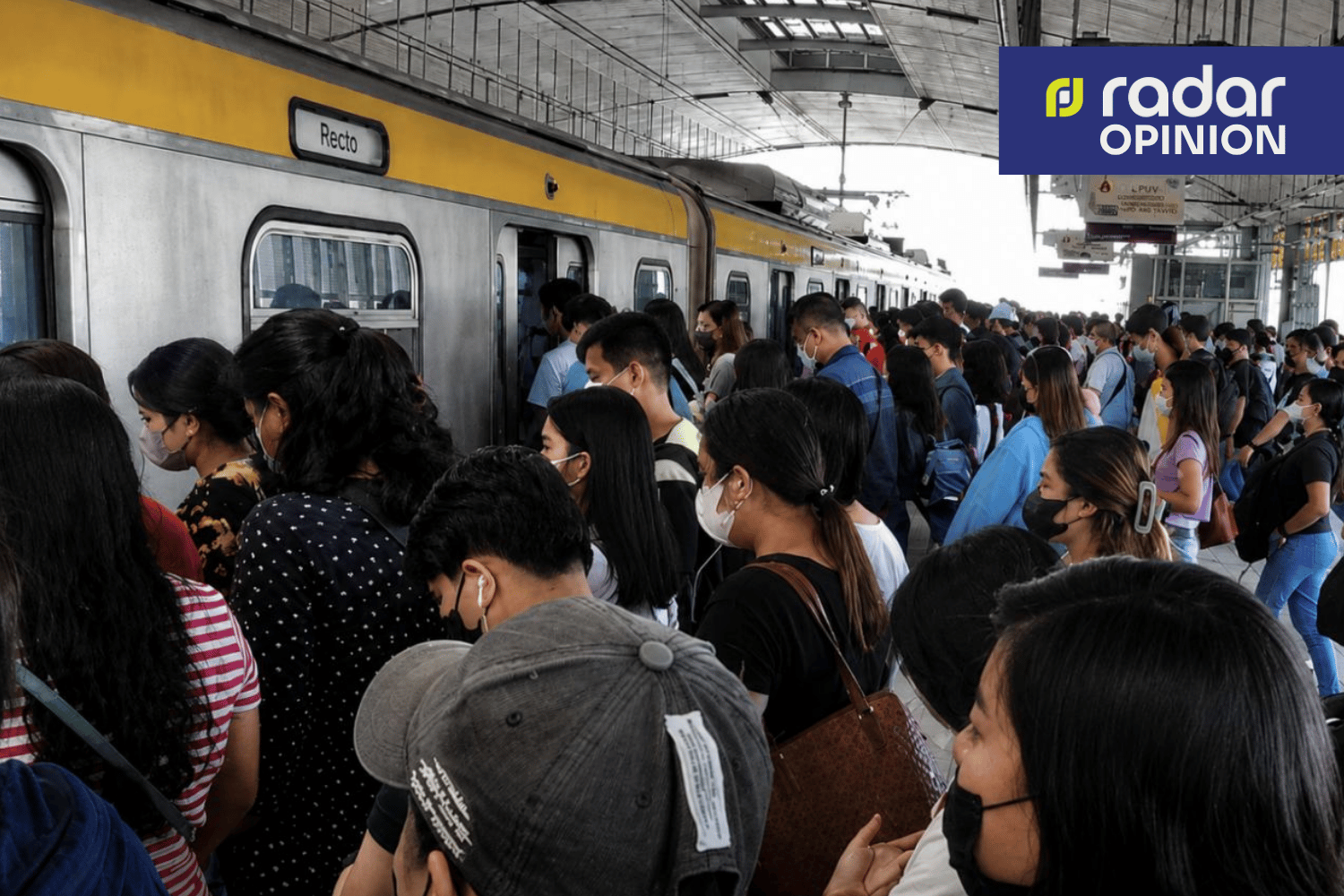
Rush hour on LRT-2 has become an exercise in patience, with commuters enduring long queues, packed platforms, and trains that often arrive so full they cannot board.
The frustration is not without merit, especially with more people turning to public transportation to save money. However, the bigger problem is that the railway no longer appears to have sufficient capacity for the number of passengers depending on it.
According to government data, ridership rose 15% to 31.75 million passengers in the first half of 2026, yet only 10 of LRT-2’s original 18 train sets remain operational after aging units reached the end of their service life.
And out of those 10 operational train sets, Light Rail Transit Authority updates indicate that, on average, only seven to eight are running on a given day.
That gap between rising demand and shrinking capacity has stretched train intervals to around 12 to more than 14 minutes, turning what used to be one of Metro Manila’s more comfortable rail lines into one of its more congested systems.
Every minute counts for ordinary commuters, especially those who are left with limited transportation options.
What makes the situation frustrating is that trains do not suddenly become old, so their eventual replacement should have been part of long-term planning rather than something that becomes urgent only after commuters begin feeling the effects.
The government’s plan to acquire 10 new train sets is necessary, but improving LRT-2 should also mean looking at how passengers move through stations, how trains are dispatched, and how much capacity the system will need as ridership continues to grow.
Queues can already build up around ticketing areas, escalators, stairways, and platforms. So, better crowd management, clearer queuing systems, and additional ticketing facilities could help prevent congestion from spreading.
The railway should also examine its signaling, power supply, and station capacity so that adding new trains does not shift the bottleneck somewhere else.
LRT-2’s growing ridership shows that people are willing to use the railway when it provides a practical alternative to increasingly expensive and congested road travel.
But its main mission should be to create a railway system that anticipates demand and maintains capacity to serve commuters reliably.
READ: