MSMEs beg for proper flood-control measures.
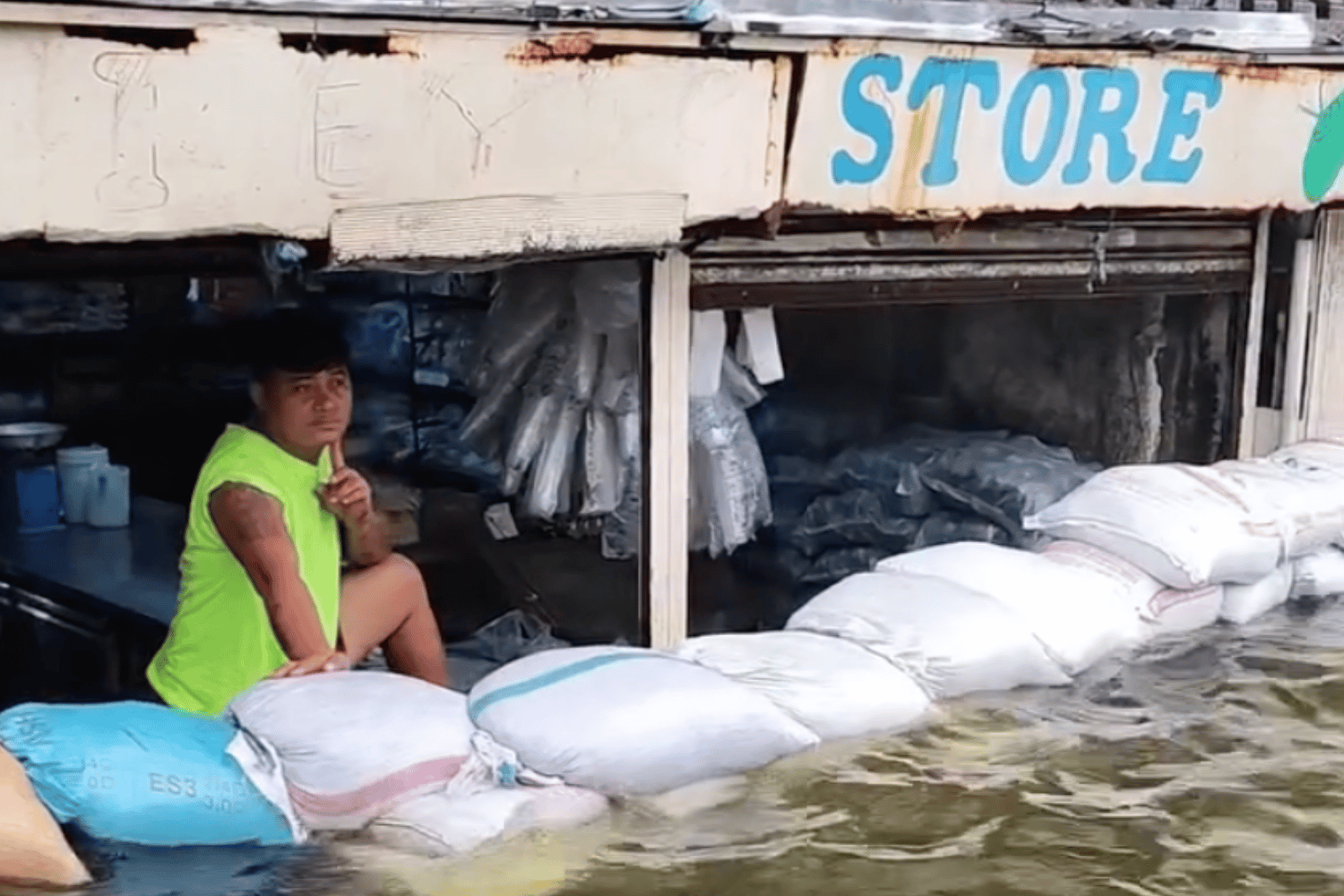
When floods hit, small businesses can lose more than a day’s sales. Damaged equipment, spoiled inventory, and a forced closure can wipe out assets overnight that took months or even years to build.
Because MSMEs account for 62.7% of employment in the Philippines, calamity losses, particularly from the latest flooding across parts of the country driven largely by habagat, can become a serious economic problem, especially when a sari-sari store, food stall, repair shop, or home-based business has little room to absorb a sudden hit.
For a small business, a flooded refrigerator, damaged freezer, soaked merchandise, or destroyed tools can mean losing both the equipment needed to operate and the inventory needed to recover the money invested in it.
For many MSMEs, one major disaster can be enough to force a business to fold, while others may struggle to get off the ground in the first place. The damage also means disrupted incomes, fewer working days, and slower local economic activity long after the water has receded.
These floods are not arbitrary events with consequences that disappear when the water goes down. They affect businesses, workers, families, and communities, with millions of people potentially feeling the economic impact.
Unlike larger companies, many small businesses have fewer financial resources to absorb a sudden loss while continuing to pay rent, utilities, and workers.
Government programs can provide some relief through the DTI and the Small Business Corporation, which offer rehabilitation financing for MSMEs affected by disasters.
But assistance after a disaster does not erase the initial loss. Businesses operating on limited capital may not always have enough room to bounce back.
Replacing one freezer, restocking damaged goods, or reopening after several days without sales can already consume money needed for the next cycle of operations.
Flooding should not become something we simply learn to live with. As habagat rains and typhoons continue to expose businesses to recurring disruptions, MSMEs need proper flood-control measures that can prevent damage before it happens, rather than assistance only after businesses have already suffered losses.
READ: