Who else deserves to be republished?
Many of the best Filipino books are already difficult to get a hold of.
Having been out of print for years, the few copies that remain either sit in university libraries or are sold at absurd prices by Filipiñana book-selling groups online.
That’s why they deserve to be republished for newer generations of readers.
While this list isn’t comprehensive by any means, it reinforces the point that Philippine literature has no shortage of classics waiting to be republished.
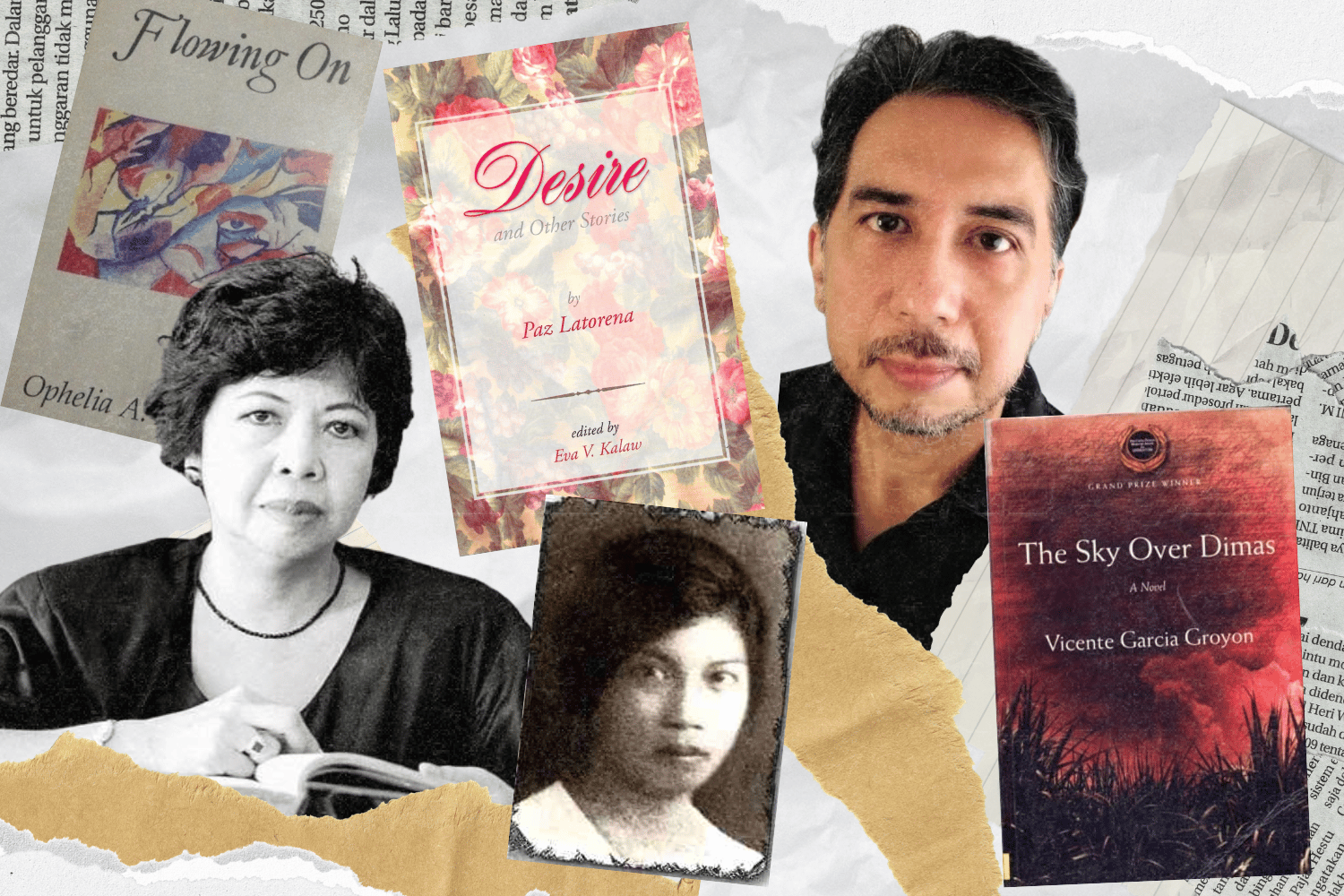
The Sky Over Dimas (2003) by Vicente Garcia Groyon

Published by De La Salle University Press and republished by the University of the Philippines Press in 2011, The Sky Over Dimas follows the Torrecarion family, a haciendero clan in Bacolod whose buried history of violence and scandal continues to haunt its descendants. Its story unfolds through the family’s present-day lives and George Torrecarion’s journals, which gradually reveal their darkest secrets. The novel won the Palanca Grand Prize, the National Book Award, and the Madrigal-Gonzalez Best First Book Award.
Tony Perez’s Cubao series (1992-2002)
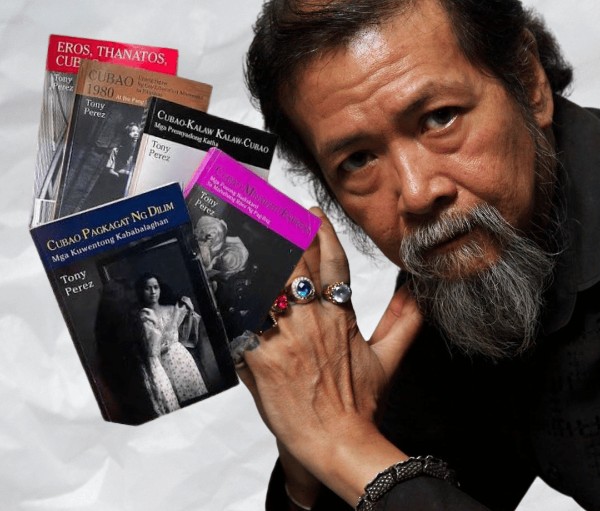
Tony Perez’s Cubao series deserves a septology comprising Cubao 1980 at Iba Pang Mga Katha: Unang Sigaw ng Gay Liberation Movement sa Pilipinas (1992), Cubao Pagkagat ng Dilim: Mga Kuwentong Kababalaghan (1993), Cubao Midnight Express: Mga Pusong Nadiskaril sa Mahabang Riles ng Pag-ibig (1994), Eros, Thanatos, Cubao: Mga Piling Katha (1994), Cubao-Kalaw, Kalaw-Cubao (1995), Cubao Ilalim: Unang Aklat (2021), and Cubao Ilalim: Ikalawang Aklat (2022). The septology blends queer literature, urban modernism, and psychological horror, transforming the real-life commercial district of Cubao into a dark, mythic world.
Desire and Other Stories (2000) by Paz Latorena
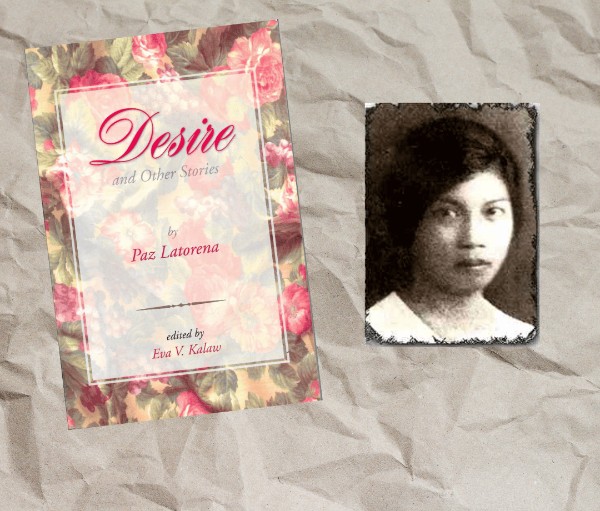
Edited by Eva V. Kalaw and originally published by the University of Santo Tomas Publishing House, Desire and Other Stories collects “all the extant” 35 short stories of Paz Latorena, a member of the first generation of Filipino writers in English. Written between 1927 and 1943, the stories in the collection include her masterpiece “The Small Key,” the titular “Desire,” and “Sunset.”
Gilda Cordero-Fernando’s early fiction (1962-1973)
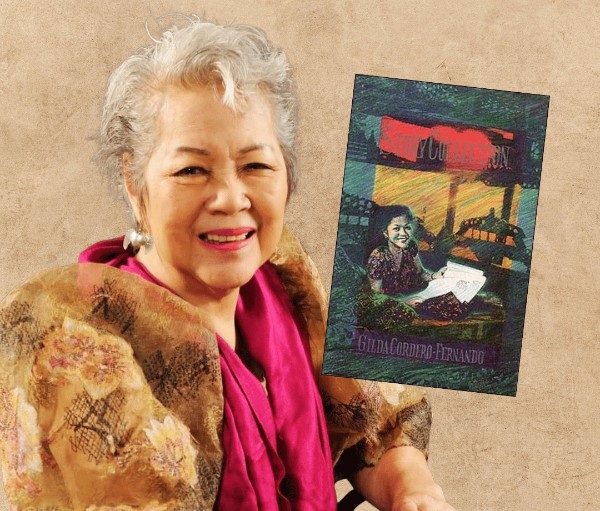
Published by Anvil, Story Collection gathers the best of Gilda Cordero-Fernando’s short fiction from 1952 to 1970, when she was still a housewife. The stories were originally published in two collections, The Butcher, the Baker, the Candlestick Maker (1962) and A Wilderness of Sweets (1973), before she moved on to nonfiction and publishing. Her witty, satirical, and deeply humane portraits of Filipino middle-class life still make these stories worth rediscovering.
Feast and Famine: Stories of Negros (2003) by Rosario Cruz Lucero
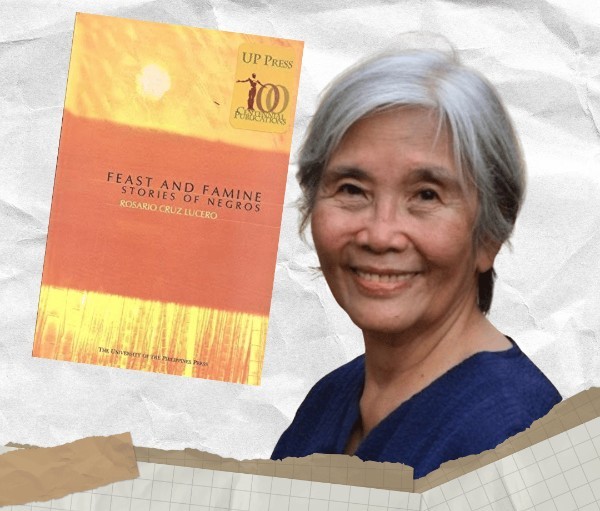
Published by the University of the Philippines Press, Feast and Famine gathers four long stories and one novella about life in Negros Occidental, spanning Philippine history from the Spanish colonial period to the post-Marcos era. It features an introduction by National Artist for Literature Resil B. Mojares, who died on Sept. 5, and an afterword by Cebuano scholar Linda K. Alburo. Four of the stories won first prizes at the Palanca Awards and the Philippine Free Press Literary Awards.
Flowers from the Rubble: Essays on Life, Death, and Remembering (1990) by Conrado de Quiros
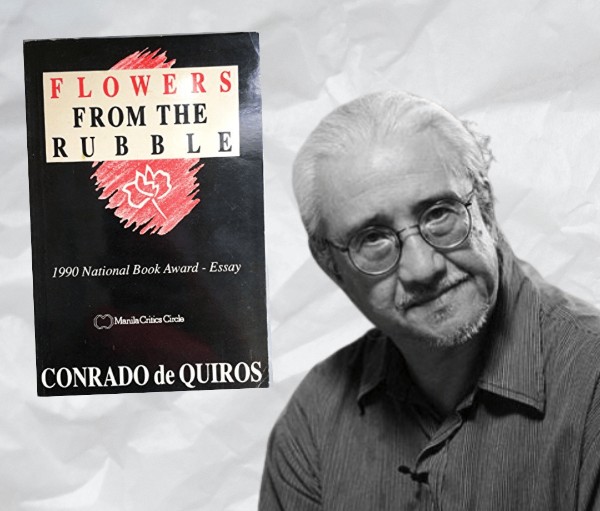
Published by Anvil Publishing, Flowers from the Rubble gathers Conrado de Quiros’ essays and columns from the years surrounding the 1986 EDSA Revolution. While his later “There’s the Rub” columns for the Philippine Daily Inquirer—some of which were collected in Dance of the Dunces—are known for their biting political commentary, Flowers from the Rubble shows his literary brilliance. It won the National Book Award for Essay.
Ophelia Alcantara Dimalanta’s complete poems (1974 to 2002)
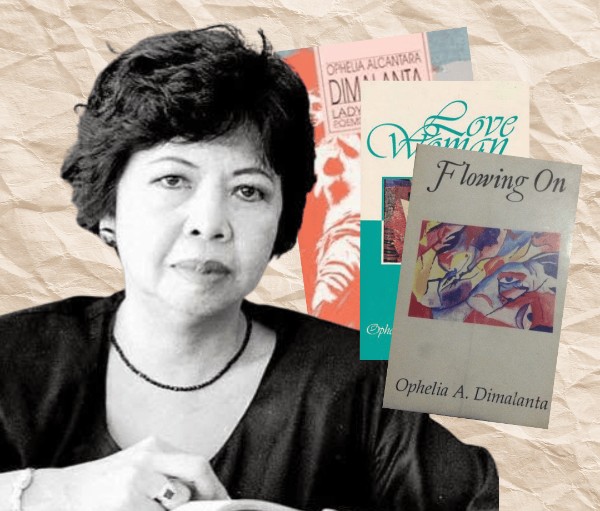
While the legendary poet Ophelia Alcantara Dimalanta’s work has been collected in The Ophelia Alcantara Dimalanta Reader, Vol. 1: Selected Poetry (UST Publishing House, 2004), her individual collections deserve to be republished in full. This should cover poems from Montage (1974), The Time Factor and Other Poems (1983), Flowing On (1988), Lady Polyester (1995), Love Woman (1998), and Passional (2002). As literary scholar Ferdinand Lopez once noted, she was considered the high priestess of Philippine poetry in English during the postwar period. Her fluid, musical language and deeply sensual lyricism are reason enough to revisit her oeuvre.